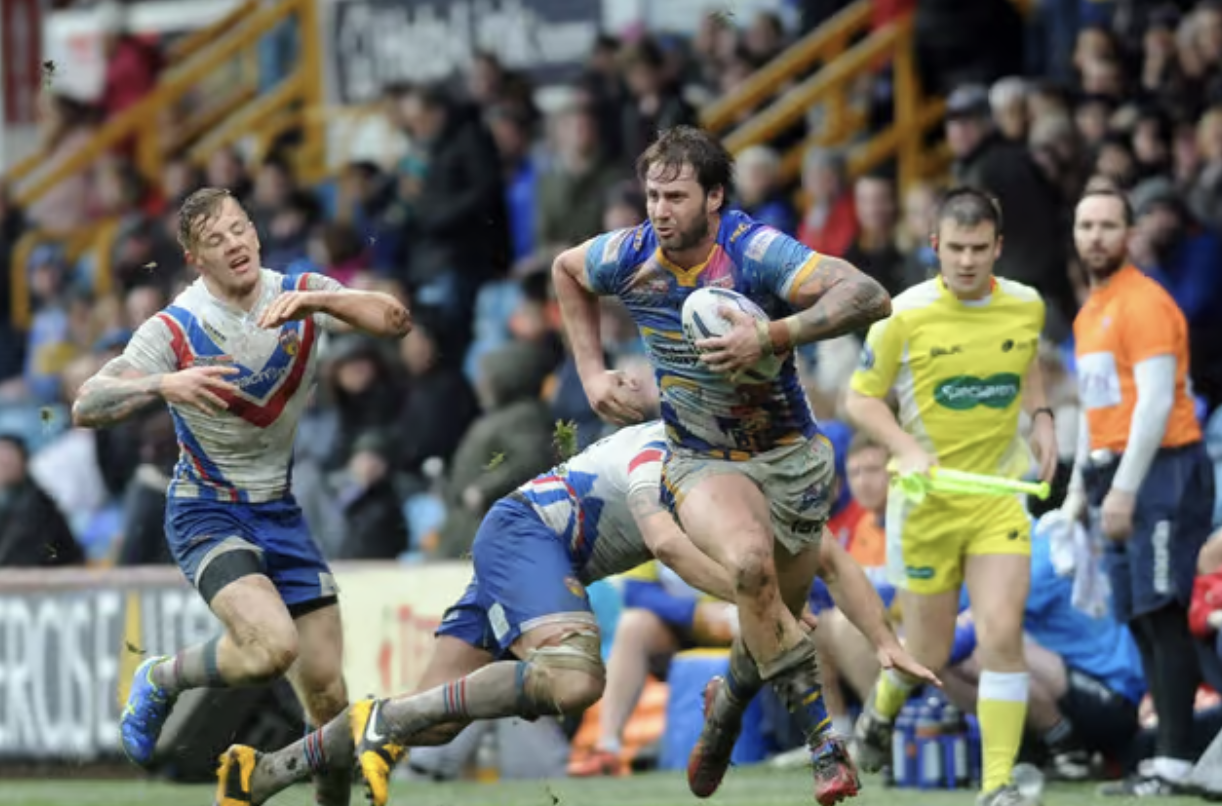

In Northern England, rugby is far more than just a sport. For Leeds, the industrial heart of West Yorkshire, rugby—and Rugby League in particular—has become a language of identity, a social glue, and the cornerstone of the city’s leisure culture. For a century and a half, the oval ball and fierce clashes on the pitch have forged a unique Yorkshire character: resilient, straightforward, fiercely loyal to the community, and unpretentious. Read on to discover the history of how this sport was born in Leeds at ileeds.info.
The “Great Schism” of 1895: Rugby as a Working-Class Manifesto
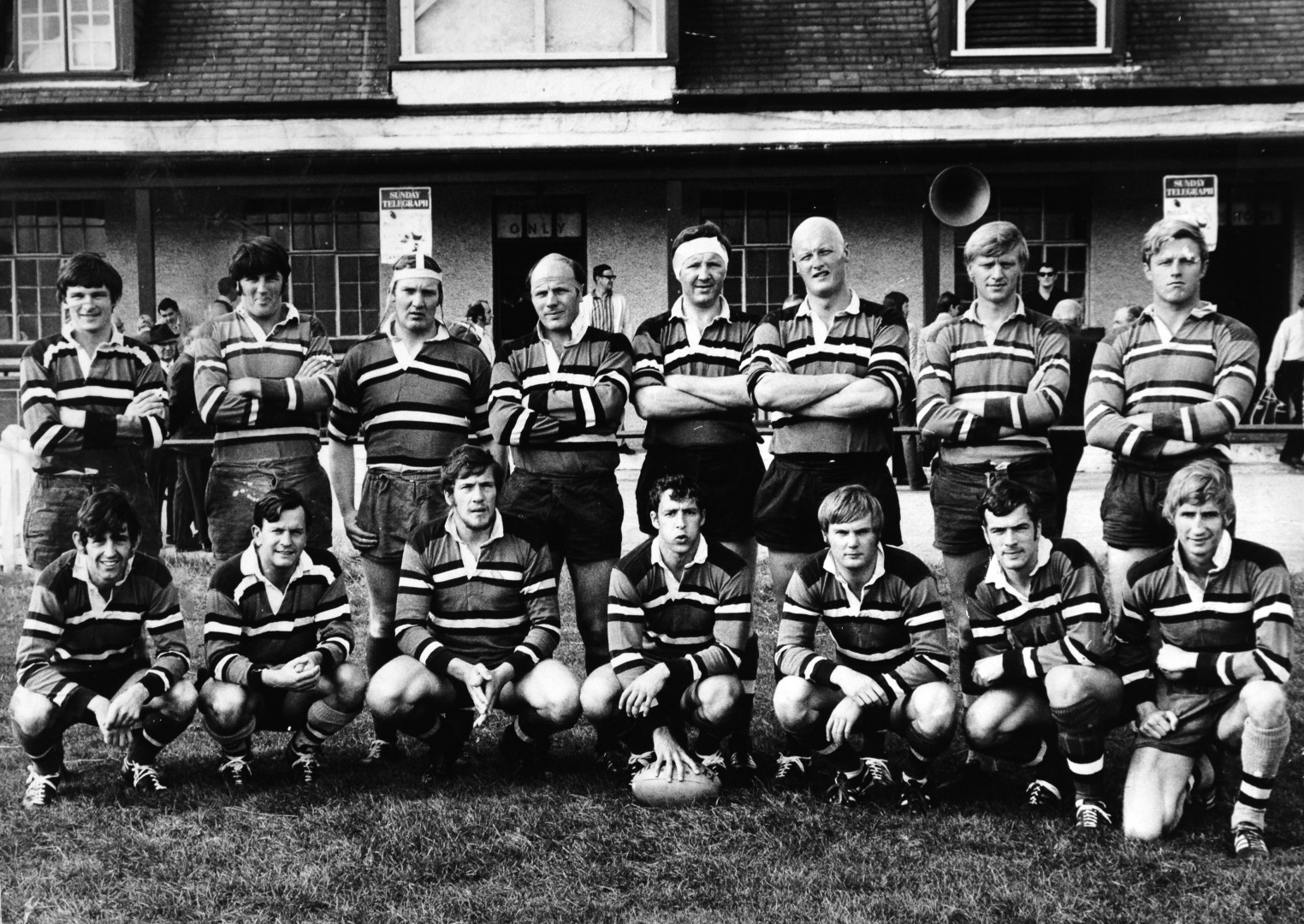
To understand the unique nature and spirit of rugby in Leeds, one must look back to the pivotal events of 1895. That was when British rugby suffered a fundamental split into two distinct codes—Rugby Union and Rugby League.
In the 19th century, the sport was strictly controlled by the Southern English aristocratic elite and alumni of privileged private schools. The leaders of the union recognized only strict amateurism, convinced that rugby should remain a noble hobby and that any payment for playing would diminish the gentlemanly nature of the sport.
However, in the industrial North—in tough factory and mining towns like Leeds, Bradford, and Huddersfield—the reality was completely different. Here, the primary players were working-class men from textile mills, foundries, and coal mines.
The main bone of contention was the issue of so-called “broken time”. Workers in Leeds simply could not afford to take unpaid leave for Saturday shifts, let alone risk their health and lose income to injuries without any financial compensation. For poor working-class families, this was a matter of survival.
The true birth of the new game took place on August 27, 1895. Representatives from leading Northern clubs, including Leeds Parish Church and several other local teams, gathered at the George Hotel in Huddersfield to announce the formation of the Northern Rugby Football Union.
This move proved to be far more than a simple rule change: the number of players on the field was reduced from 15 to 13, and tedious rucks and mauls were eliminated in favor of maximum speed and spectacle. It was a true social revolution on the sporting field: Rugby League firmly established itself as a working-class sport where ironclad stamina, honest physical grit, relentlessness, and unwavering teamwork were valued above all else.
Headingley Stadium: Spiritual Temple and Community Hub
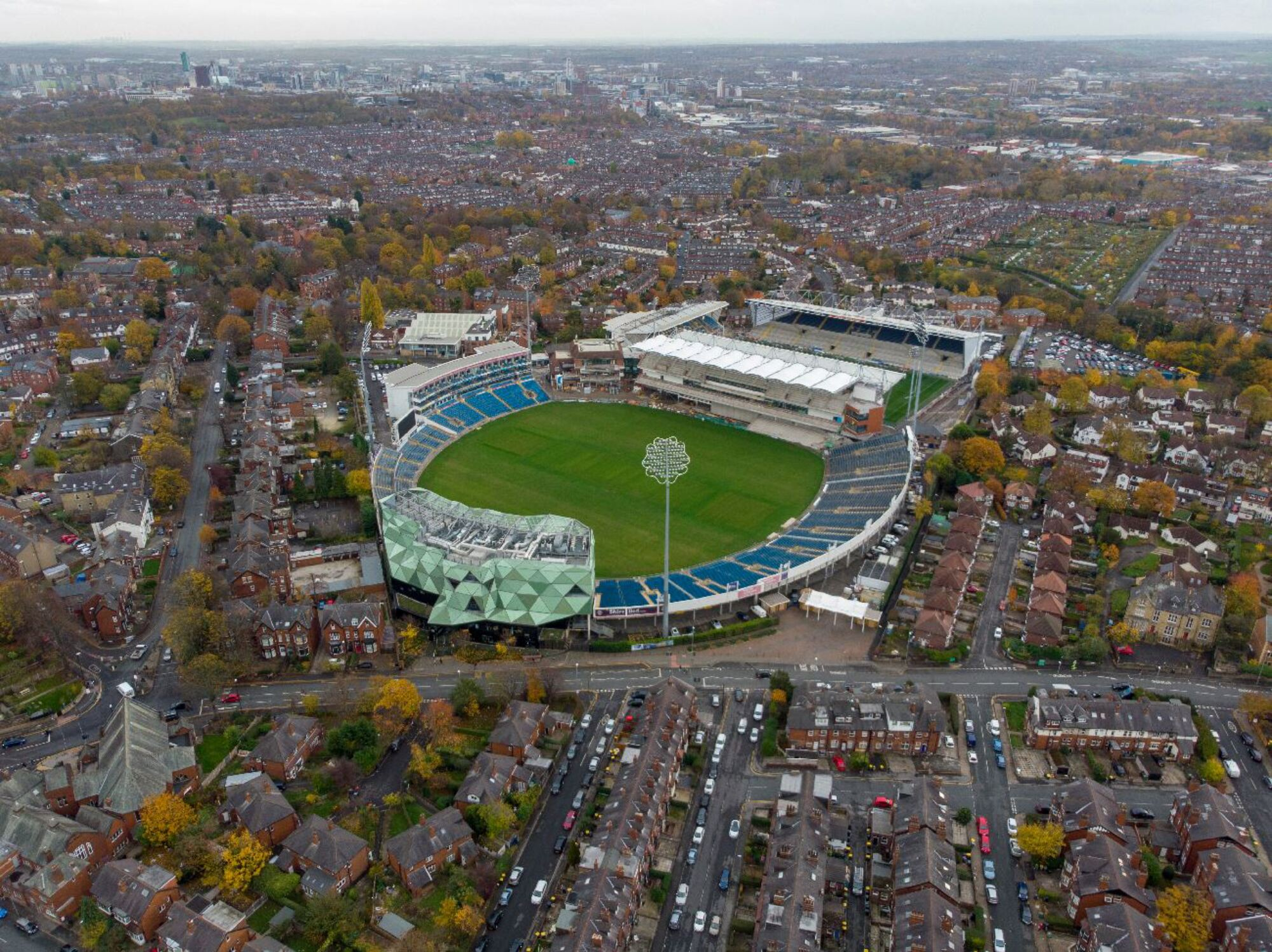
Opened in 1890, Headingley Stadium is the beating heart of Leeds’s rugby culture. It is a unique venue in world sport, sharing a single main stand between a legendary rugby league arena and a famous cricket ground.
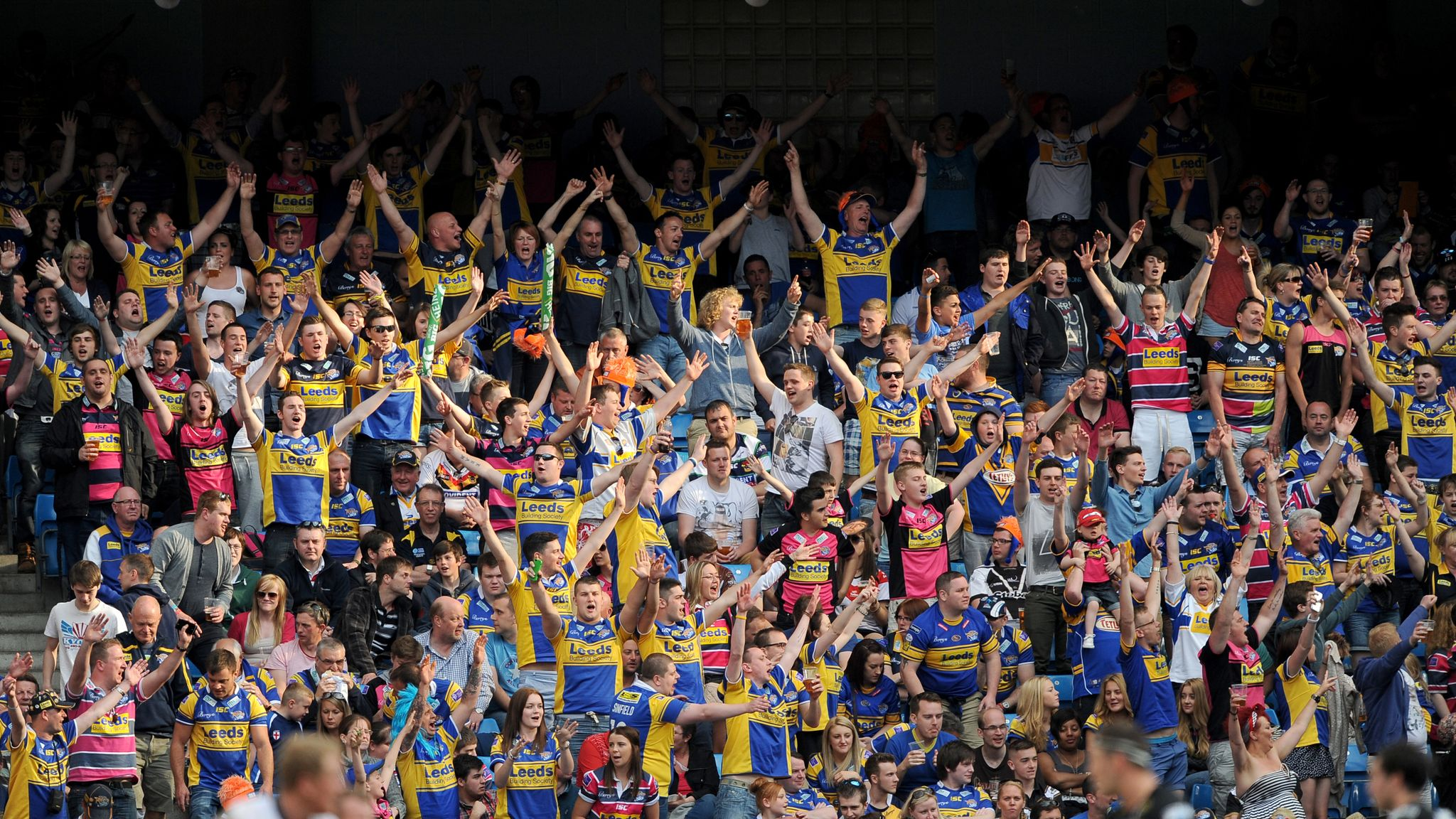
The true epicenter of emotion and fan passion is the iconic South Stand. For over a century, unique terraced traditions have been forged right here.
- Fierce support without aristocratic polish. The terrace historically remained standing, preserving a deeply democratic, working-class spirit and an electric atmosphere during matchdays.
- Local folklore and songs. Terrace chants in Leeds are known for their sharp, self-deprecating humor. They vividly reflect the longstanding Yorkshire rivalry with neighboring Lancashire as well as wealthy London.
- Generational continuity. Season tickets and traditional spots on the South Stand are cherished family heirlooms, often passed down from parent to child over several generations.
As a result, Headingley remains far more than a sports venue—it is a vital community hub for the entire city of Leeds.
Saturday Traditions: Leisure Culture and Pub Life
Rugby fundamentally transformed the weekend rhythm for the people of West Yorkshire. A Saturday or Friday night fixture featuring the iconic Leeds Rhinos is not just an 80-minute game, but a hours-long city ritual uniting thousands of people across all social backgrounds and walks of life.
The classic matchday routine for supporters has been refined over decades:
Morning shift / Chores ➔ Gathering at a pub near Headingley ➔ Match at the stadium ➔ Post-match analysis over a pint of ale.
- Local pubs as fan headquarters. Iconic venues right near the ground—such as The Original Oak, The Skyrack, or The Arc—turn into bustling debate halls hours before kick-off. Fans passionately dissect team selection, tactics, and league standings.
- West Yorkshire beer culture. Attending matchdays is inextricably linked with sampling local classic English ales and Yorkshire bitters, making it a key part of the region’s identity and culinary heritage.
- The “Third-Half” culture. Unlike football, where supporter bases are often segregated due to security concerns, Rugby League maintains an unshakable tradition of camaraderie with opposing fans. After the final whistle, Leeds fans can be found enjoying a pint side by side with supporters of their fiercest historical rivals, such as Wigan or St Helens.
This unique, friendly “third-half” spirit has made rugby league one of the most welcoming and safest sporting pastimes in the United Kingdom. Rather than strict segregation, terrace veterans, families with children, and visiting fans sit shoulder to shoulder around the same pub table.
Preserving this atmosphere in today’s commercialized sporting landscape highlights the resilience of Leeds’ working-class roots. The pubs surrounding Headingley Stadium operate not merely as venues, but as living hubs of community life where generations stay connected and the unique Yorkshire character lives on.
The Character of Leeds Mirrored in the Game: The Story of Kevin Sinfield and Rob Burrow
Rugby has cultivated a distinct type of resilience in Leeds locals, often referred to in Britain as “Yorkshire grit”—a blend of quiet determination, integrity, and profound, unshakeable loyalty to friends.
The most powerful and poignant expression of this character in the 21st century came through the story of two Leeds Rhinos legends: Kevin Sinfield and Rob Burrow.
- An era of glorious victories. Rob Burrow—a nimble back standing at just 5ft 5in (165 cm) whose lightning speed and courage made him a nightmare for giant opponents—and team captain Kevin Sinfield won eight Super League titles together, turning their club into the dominant force in British rugby league.
- Tested by an incurable illness. When Rob Burrow was diagnosed with Motor Neurone Disease (MND) in late 2019, the entire Leeds community and rugby world immediately rallied around his family, refusing to let a legend fight alone.
- Brotherhood beyond the pitch. Kevin Sinfield launched an extraordinary series of superhuman ultra-marathon challenges. For instance, he completed 7 marathons in 7 days. This massive charitable effort raised tens of millions of pounds for MND research and funded the construction of the modern, state-of-the-art Rob Burrow Centre for MND in Leeds.
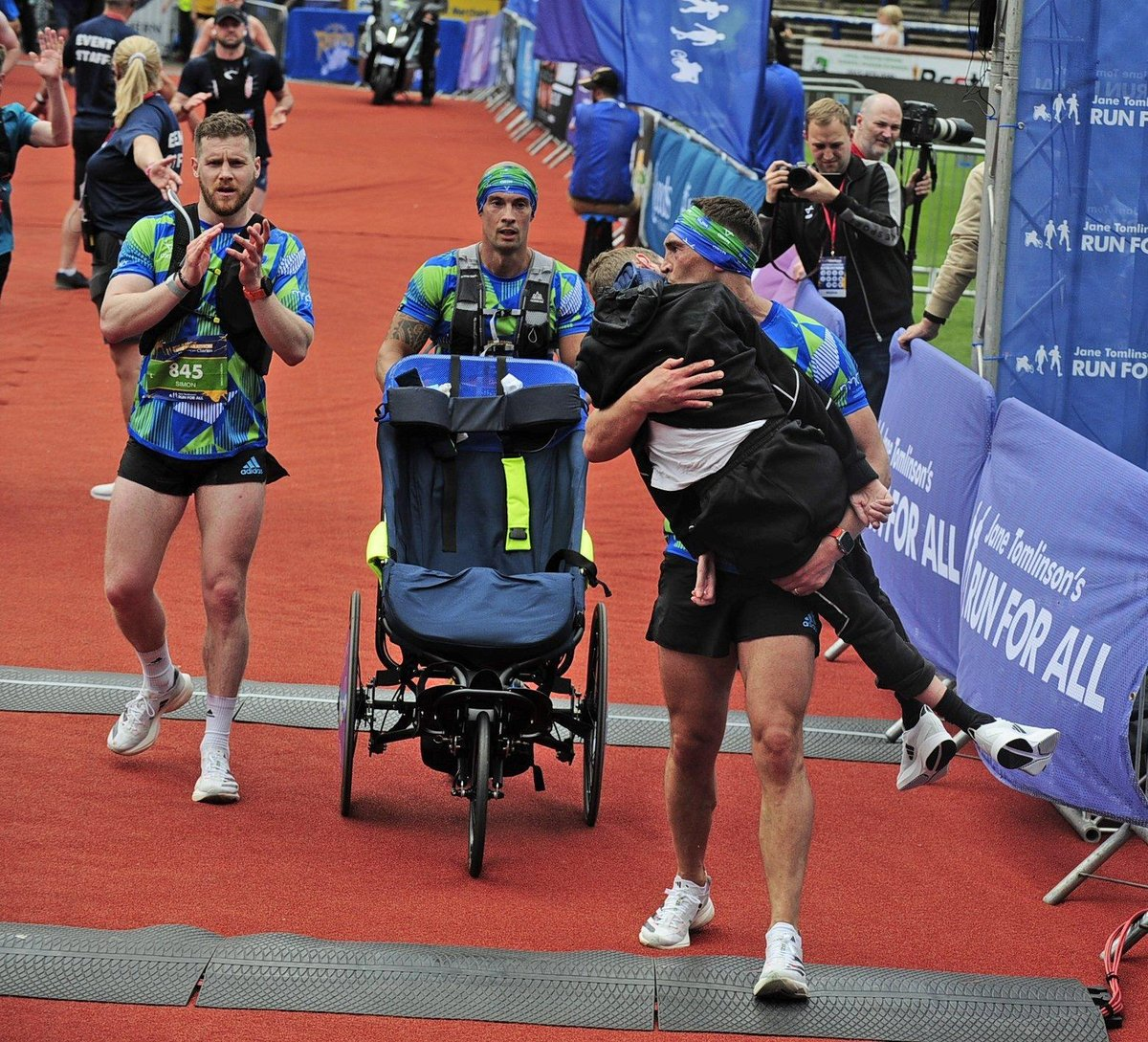
The iconic moment when Sinfield carried his friend Burrow across the finish line of a marathon to the tears and applause of thousands of onlookers transcended sport entirely. It became a national symbol of selflessness, human dignity, and unbreakable civic brotherhood.
The story of Sinfield and Burrow showed the world the true heart of this tough rugby region. Beneath the hard hits on the field and traditional Yorkshire reserve lies a capacity for deep empathy, proving that community solidarity in Leeds is no mere slogan, but a real and active force.
This inspiring story permanently cemented the Leeds Rhinos as something far greater than just a sports brand. For the people of the city, the team and its heroes became the living embodiment of local values—where loyalty to your mates and standing by each other in the hardest moments remain the ultimate measure of character.
The Evolution of Rugby Culture in Leeds
| Era | Social Context | Role of Rugby in City Life |
| 1890s–1930s | Industrial boom, factory city | Respite from grueling manual labor, fostering working-class solidarity. |
| 1950s–1980s | Deindustrialization, social restructuring | Preservation of local identity and Saturday leisure traditions. |
| 1996–Present | Launch of Super League, rebranding as Leeds Rhinos | Evolution into a family-oriented entertainment product; growth of women’s and youth rugby. |
Today, the Leeds Rhinos Foundation carries out extensive work in local schools, engaging children in sport, running free coaching sessions, and supporting the women’s team, which is now one of the strongest in the country.
Rugby traditions in Leeds are not about dry statistics, try counts, or silver trophies. They are the living fabric of urban life. The game taught the people of Leeds to stay resilient in the face of adversity, value honest work, respect their opponents, and above all, stand together as a community.