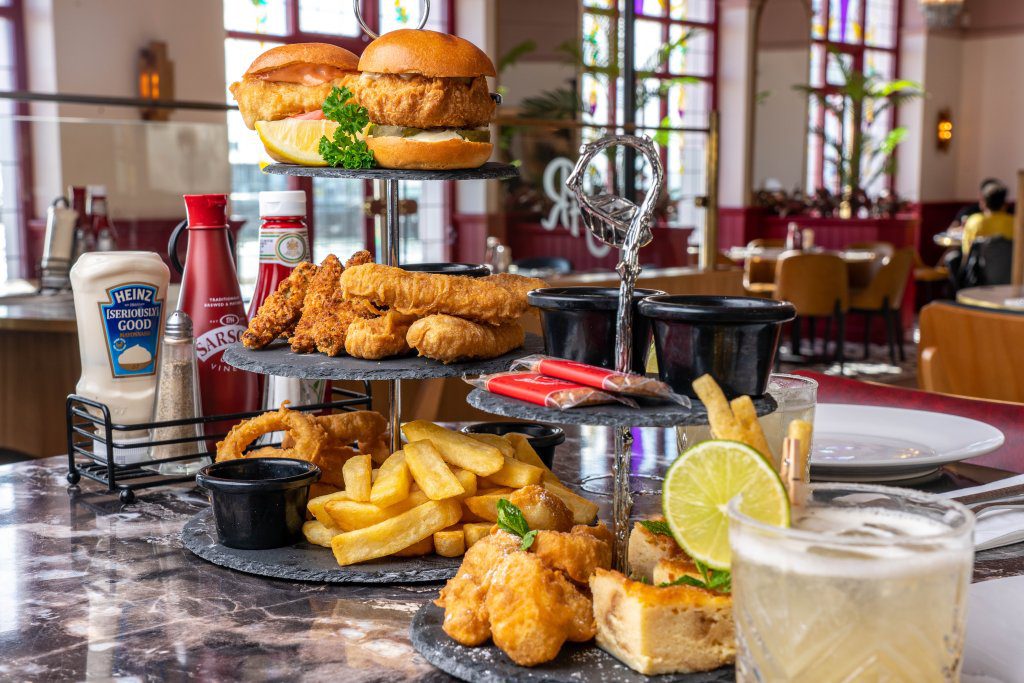

“Fish & Chips” is undoubtedly the national dish of the United Kingdom, a cultural and culinary icon. Widely regarded as an unofficial national English dish, it’s no surprise that freshly prepared, hot fish in batter served with chips, lovingly seasoned with salt and wrapped in newspaper, is a favourite quick lunch or dinner for Britons. Read more on ileeds.info.
History of “Fish & Chips”
The tradition of eating fried fish coated in batter, cooked in oil, is believed to have been introduced to Britain by immigrants. This dish was first brought to London by Jewish immigrants from Portugal and Spain, possibly as early as the 16th century. American President Thomas Jefferson described eating “fried fish in the Jewish style” during a visit to the capital in the late 18th century, and Charles Dickens even referenced the dish in his novel Oliver Twist.
Chips, as fried potatoes, likely originated in Belgium. Over time, the dish grew in popularity due to its originality, affordability, and nutritional value. By 1931, “Fish & Chips” had become so essential that a shop in Bradford had to employ a doorman to manage queues during busy hours.
Initially, “Fish & Chips” shops were small family businesses, often operating from the front rooms of houses. By the late 19th century, they were a common sight. During World War II, the dish was a staple of every household as it was one of the few foods not rationed. The trade in fish and chips expanded significantly during the late 19th and 20th centuries to meet the needs of Britain’s industrial population.
As a rich source of protein, fibre, iron, and vitamins, the dish provided up to a third of a man’s recommended daily nutrient intake and almost half for women. Residents of Leeds particularly love this dish and enthusiastically recommend the crispy fried fish atop a pile of golden chips to everyone.
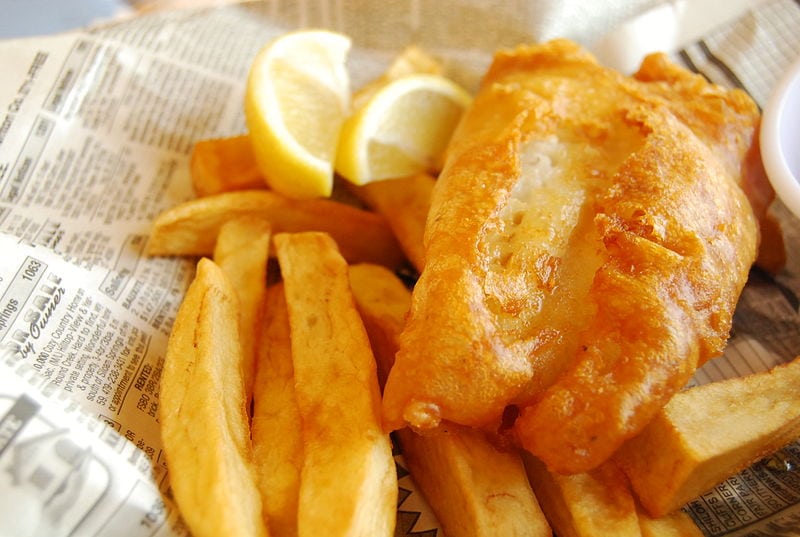
“Youngman’s Fish and Chip” in Leeds
Famed journalist and broadcaster Gerald Priestland described Leeds as “the intellectual capital of fish and chips,” and he wasn’t wrong. The city embraced the dish as soon as the first “Fish & Chips” shop opened around 1881. By 1909, Leeds boasted approximately 800 such shops. One of the earliest and most renowned in the city centre was “Youngman’s Fish and Chip,” named after its founder Henry Robert Youngman.

Henry Youngman was born in London in 1861 and lived near a fish shop. Initially a carpenter, he moved to Leeds at the age of 21 and opened his first fish shop in Hunslet in 1885. Henry and his wife Elizabeth managed the shop together; he was the fryer and vendor, while she assisted. In 1914, he opened his first restaurant on Lower Headrow, offering a new menu of fish and chips with tea, bread, and butter. A decade later, Henry opened another restaurant on New Briggate.
An advertisement for the new establishment promised delicious food, quick service, courteous staff, and a cosy interior. The business encouraged customers to use a promotional newspaper as wrapping for take-away meals. “Youngman’s Fish and Chip” quickly became a favourite among locals.
Henry Robert Youngman passed away at 65 and was buried in Harehills Cemetery. His sons Walter and Henry continued the family business, managing both the restaurant and wholesale fish trade. Though their partnership ended in 1932, Henry successfully ran “Youngman’s” in Leeds and actively participated in the National Federation of Fish Friers, later serving as its president. After his death, the business thrived under the management of his daughter Sylvia and her husband William until its closure in 1989.
The Story of Harry Ramsden
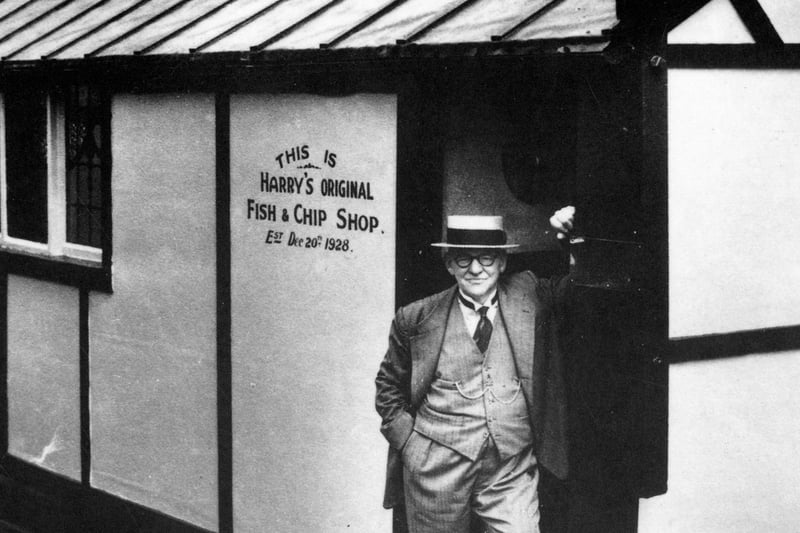
“Harry Ramsden’s” is Britain’s oldest fish and chip restaurant chain. For over 90 years, Harry Ramsden’s has been serving the finest “Fish & Chips.” Initially aspiring to be a tax collector, young Harry Ramsden eventually followed family tradition and entered the fish-and-chip trade. In December 1928, he opened his first “Fish & Chips” shop in a humble wooden hut near a tram stop in Guiseley, investing £150. He even created a secret batter recipe still used today. Customers could enjoy fish, chips, tea, and bread with butter for 99 pence.
Harry Ramsden was a savvy entrepreneur, understanding his customers’ needs. His high-quality food earned him a stellar reputation, and he supplied his fish and chips to nearby factories. In 1931, he took a bold step, transforming the hut into a restaurant with oak panelled walls, lush carpets, elegant chandeliers, and white tablecloths. His restaurant rivalled The Ritz in opulence.
The restaurant’s charm attracted weary workers seeking a break from the monotony of daily life. Visitors travelled from across the globe to savour Ramsden’s fish and chips. Guests were entertained by English comedian and puppeteer Harry Corbett, who often performed piano tunes while diners enjoyed their meals.
Harry Ramsden personally greeted guests, dressed in a suit and hat. A visit to his establishment became a prestigious outing, with locals proudly sharing their experiences.
Marketing Genius of Harry Ramsden
Harry Ramsden’s business was one of the first to sponsor a marathon runner, with the participant wearing a vest that read: “A Sure Winner Ramsden’s Fish and Chips.” This clever campaign further bolstered the brand’s popularity.
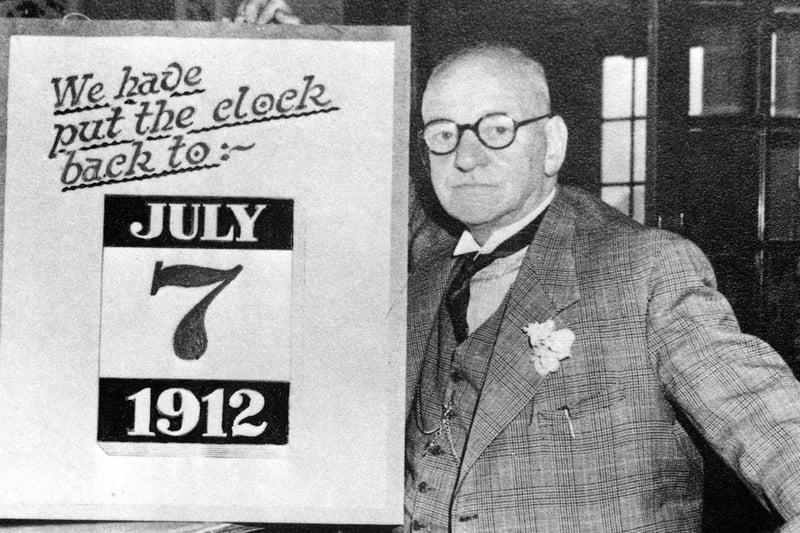
In July 1952, Ramsden celebrated his restaurant’s 21st anniversary with a record-breaking event, serving 10,000 portions of fish and chips in a single day. He sold meals at 1912 prices and recruited over 50 fryers and local police to manage the queue.
The restaurant set another Guinness World Record as the largest fish-and-chip restaurant globally, seating 275 guests. Today, the Bournemouth branch seats 420, making it one of the world’s largest.
Harry Ramsden’s commitment to excellence was unwavering; from 1928 to 1938, he took no vacations, dedicating himself to improving food quality and customer service. In 1954, he sold his stake to business partner Eddie Stokes for £37,500. After subsequent ownership changes, the brand expanded globally, with locations in Hong Kong Airport, Florida’s Epcot Center, and more. The original Guiseley restaurant now operates under the Wetherby Whaler Group.
Modern “Harry Ramsden’s” restaurants uphold the founder’s high standards, ensuring loyal customers return time and again for the world’s best fish and chips.