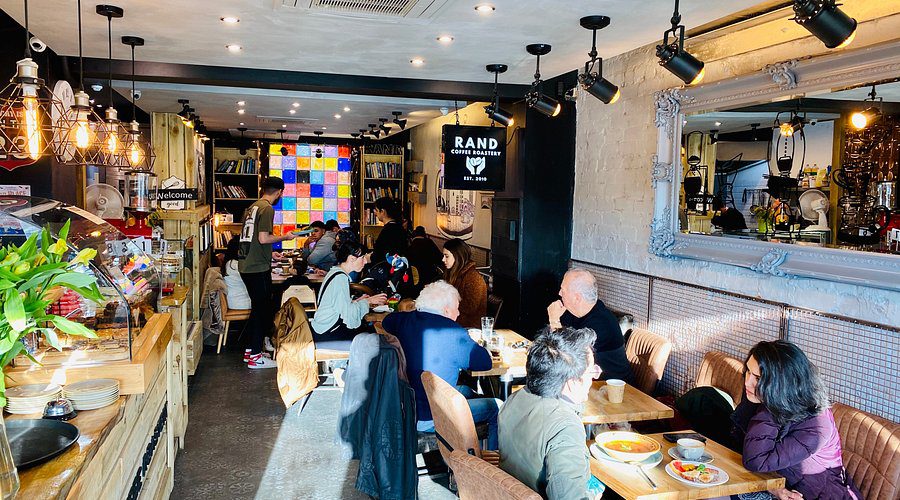

Can you imagine your life without coffee? In truth, this aromatic beverage has long become an integral part of our daily routine. For many of us, a day doesn’t begin without a cup of coffee—whether it’s a morning ritual, a meeting with friends, or a casual chat with colleagues. Coffee has become a significant element of urban culture around the world, and Leeds is no exception. That’s why today we’re exploring how coffee made its way to Leeds. Read more about it on ileeds.info.
The Value of Coffee
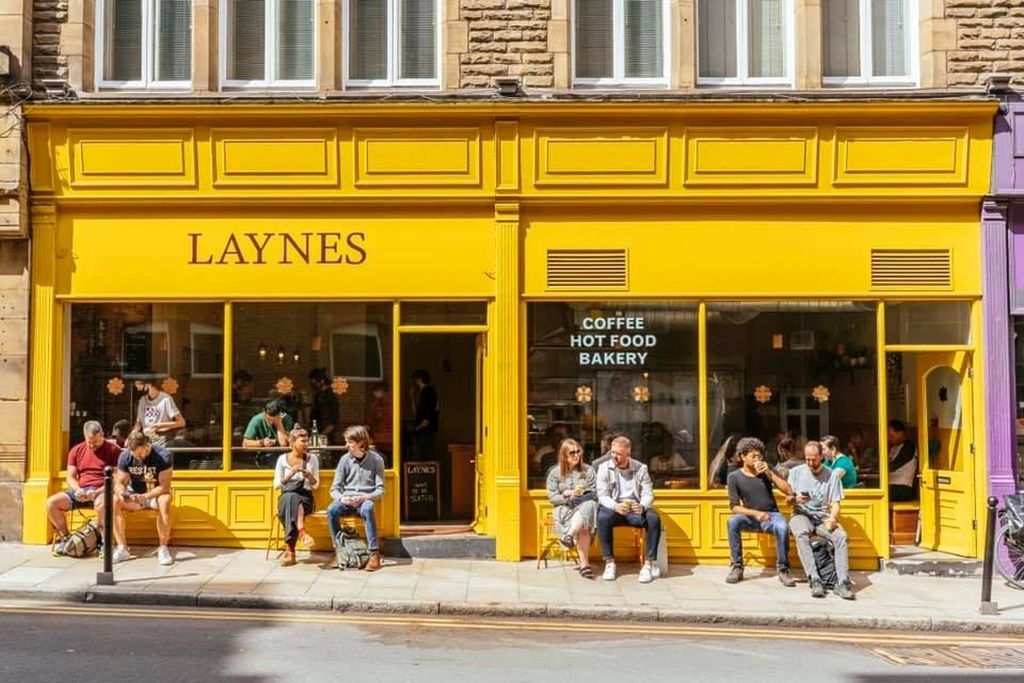
Historians note that the rise of coffee culture in Leeds is closely tied to the overall development of coffee consumption in England. The English began enjoying coffee as early as the 17th century.
The first coffee houses in England appeared in the 1650s—first in Oxford, and later in London. These establishments quickly became popular not just for enjoying coffee but also as social hubs where people gathered to discuss news, politics, and business.
Interestingly, the English valued coffee for its ability to stimulate conversation. It was also in coffee houses that the tradition of tipping emerged. In fact, the word “tip” is believed to originate from the phrase “To Insure Proper Service.”
The First Coffee in Leeds
By the late 17th century, Leeds was developing into an industrial and commercial hub in Northern England. The city’s growing population and expanding transport links contributed to the emergence of new establishments, including coffee houses. These quickly gained popularity, offering residents a place to socialize and unwind.
Leeds became a key center for trade and transit, drawing in merchants, artisans, and students—many of whom were looking for comfortable spaces to relax and interact. Coffee houses in Leeds naturally became cultural and social landmarks, where people enjoyed the beverage, exchanged ideas, and conducted meetings.
One unique aspect of Leeds’ coffee culture was its blend of traditional English coffee house customs with local flavor. Coffee was often served with regional sweets, and the venues themselves became hubs of cultural life—hosting literary clubs, music circles, and a variety of cultural events.
Over time, local traditions surrounding coffee began to emerge. One of the most well-known is the habit of enjoying coffee in the late afternoon. This tradition, similar to the classic British “five o’clock tea,” simply replaces tea with coffee. Local cafes often serve light snacks, pastries, and desserts alongside coffee, creating a warm and relaxed atmosphere.
Today, there are more than 150 coffee shops in Leeds, offering everything from classic espresso to signature lattes and cappuccinos. Some of the city’s best-known cafes combine British coffee-making traditions with contemporary trends. Statistically, about 70% of Leeds residents visit coffee shops regularly, highlighting the strong popularity of coffee culture in the city.
Moreover, the number of cafes in Leeds has increased by approximately 25% in the 21st century, reflecting a global trend toward higher coffee consumption. A hallmark of Leeds’ coffee scene is its focus on quality beans and expert brewing methods. Many local cafes work directly with independent roasters, offering beans from regions like Ethiopia, Colombia, and Brazil.
That’s the story of how coffee came to Leeds. We hope you found this article informative and that you’ve learned more about your hometown. And what about you—do you love coffee? How many cups do you drink per day? Share your thoughts with us on social media!