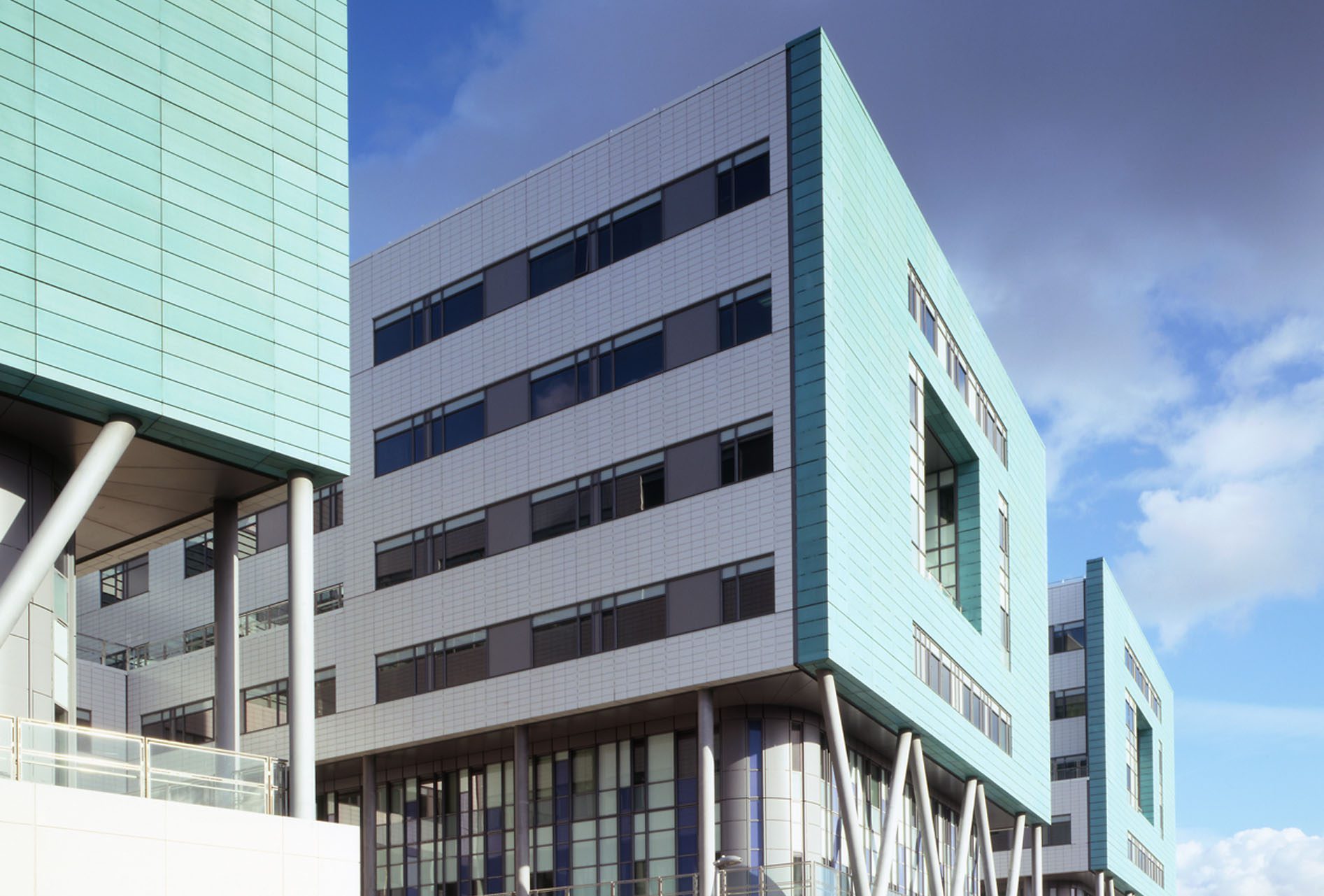

Cancer is often referred to as the plague of the 21st century, affecting a vast number of people worldwide. While the exact causes remain unclear, the global response has been the rapid development of specialist oncology centres dedicated to the treatment of cancer patients. Leeds Cancer Centre is one such institution. With deep historical roots, it plays a pivotal role in the fight against cancer in the Yorkshire region. Today, we take a closer look at this remarkable medical facility. You can read more on the ileeds.info website.
History of Leeds Cancer Centre
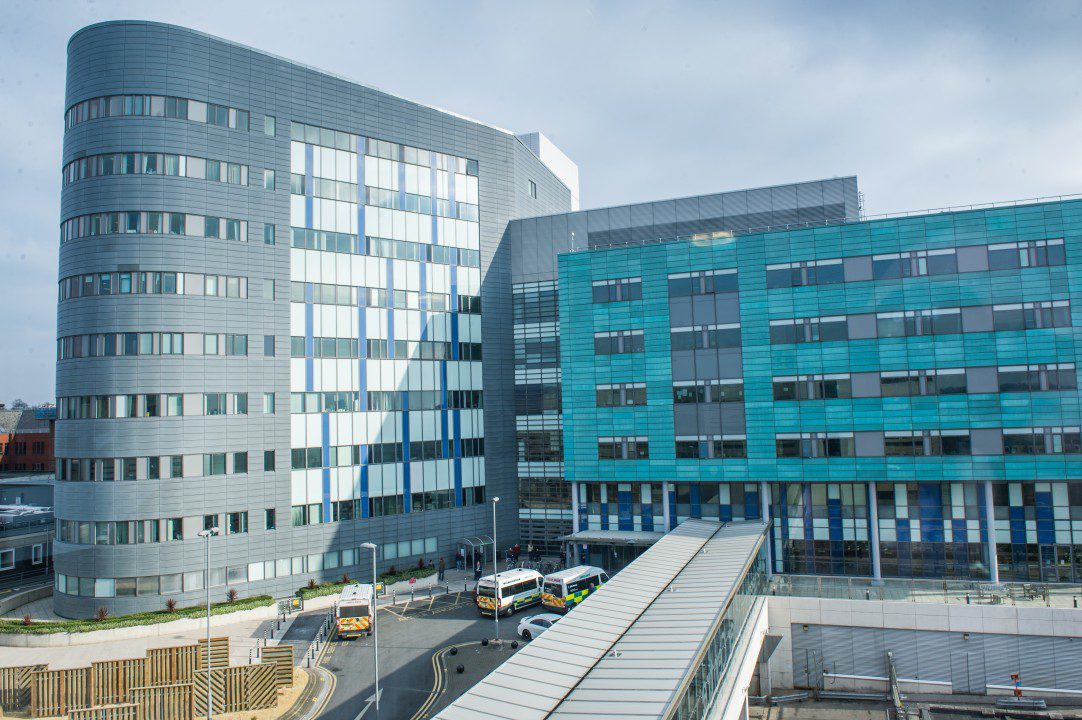
The origins of Leeds Cancer Centre are closely linked to the long history of cancer research and treatment in Leeds and across Yorkshire. It all began in the 1920s. In 1925, Yorkshire Cancer Research was founded – a charitable organisation that became instrumental in advancing cancer studies and therapies. Just four years later, Leeds General Infirmary opened its first radiotherapy laboratory, a milestone in the city’s cancer treatment services.
A key figure in the development of chemotherapy in Leeds was Dr Isaac Berenblum, who discovered the tumour-inhibiting effects of certain chemical compounds. His work laid the foundations for groundbreaking research, supported both by local academic institutions and Yorkshire Cancer Research.
Growth and Modernisation
By 2007–2008, Leeds Cancer Centre had taken on its modern form. During this period, the Bexley Wing at St James’s University Hospital opened – a £265 million oncology complex that brought together treatment, research, and education under one roof. Housing around 350 beds and employing over 1,600 staff, it became one of the largest cancer centres in Europe.
Leeds Cancer Centre is part of the Leeds Teaching Hospitals NHS Trust and works in close partnership with the University of Leeds. This integration allows clinical care to be combined with cutting-edge research. The centre provides a full range of advanced cancer treatments, including chemotherapy, radiotherapy, targeted therapies, and immunotherapy, alongside extensive scientific research in collaboration with Yorkshire Cancer Research.
Technological innovations developed at the centre include stereotactic body radiotherapy (SBRT) and the use of state-of-the-art radiotherapy platforms such as the Elekta Versa HD – the result of years of combined clinical and scientific expertise. The centre has also pioneered precision medicine approaches, including genetic testing to identify mutations that influence treatment options, as well as integrated genomic, transcriptomic, and proteomic tumour profiling to deliver truly personalised care.
Today, Leeds Cancer Centre stands as one of the UK’s largest and most advanced oncology institutions, offering an extensive range of diagnostic and treatment services for patients with various types of cancer. It is equipped with world-class technology, including advanced radiotherapy systems capable of delivering highly precise treatments that target tumours while minimising damage to surrounding healthy tissue.
The centre also provides comprehensive patient support at every stage of the treatment journey, from information and psychological services to palliative care programmes for those with incurable conditions. Safety, comfort, and a highly personalised approach to care remain at the heart of its mission.
We hope this article has offered you valuable insight into this extraordinary institution and given you a greater appreciation of its role in our city’s history.