
advancing and embracing modern technology. Home to nine higher education institutions, Leeds provides the economy with skilled professionals. Local startups alone attracted almost £300 million in investment in 2022. More on ileeds.info.
The Leeds metropolitan area boasts an economy worth £69 billion and a workforce of 1.4 million people, according to Wybusiness-skills.com. Leeds has a rich and fascinating industrial history, showcasing its strong technological potential as far back as the 18th century, when carbonated water—invented in Leeds—was first produced here.
Early Technical Production in Leeds
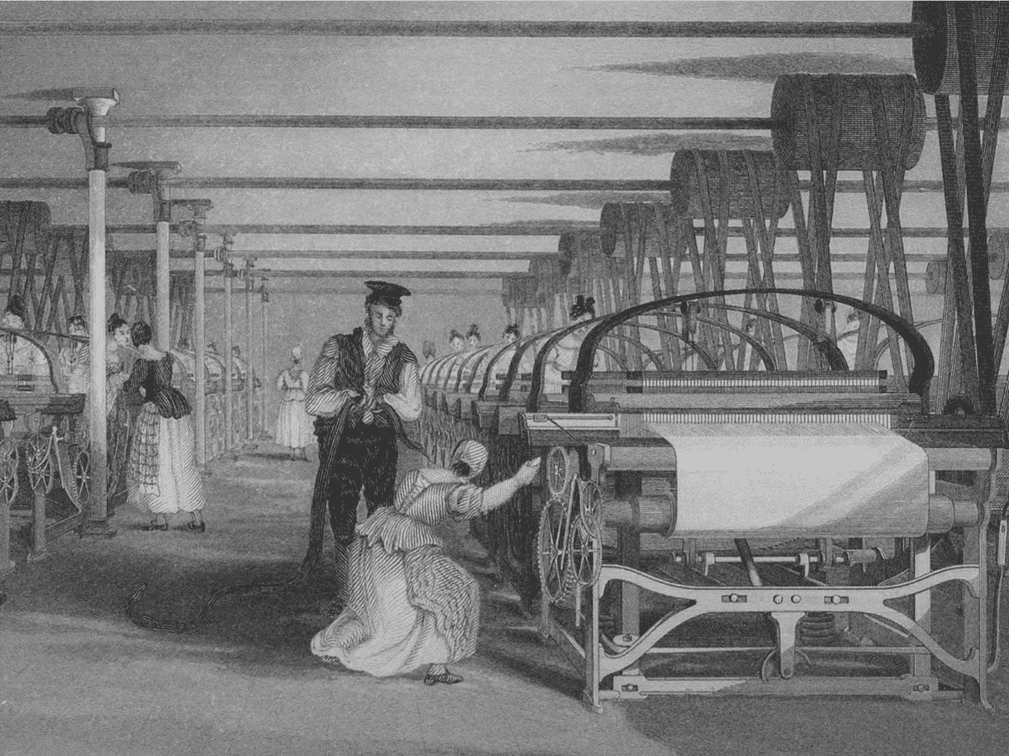
During the Industrial Revolution of the 18th and 19th centuries, Leeds emerged as a major industrial city. Industries such as linen production, iron casting, machine building, and printing flourished. This era marked the shift from manual labour to mechanised processes, paving the way for more efficient production and reducing agriculture’s role in the economy.
The increasing demands of the time called for advanced machinery, and Leeds residents rose to the challenge. Machine building initially focused on producing tools and equipment for the textile industry but quickly evolved into a versatile sector.
During the Second World War, Leeds contributed significantly to the war effort by producing essential supplies, including military uniforms and munitions.
By the 1970s, some industries, particularly the textile sector, began to decline as cheaper foreign imports outcompeted local production. The situation improved when the city council introduced the concept of Leeds as a 24-hour European city and a “Northern Capital”, positioning the city as a hub for telephone banking and connecting it to the global electronic economy.
The Current State of Industry and Major Tech Companies in Leeds
Leeds is home to leading technology companies that significantly contribute to both regional and national economies. Prominent firms include:
- Zest
- Platform Kinetics
- Hark
- Klaxon
Zest specialises in producing charging devices for electric vehicles, aiming to make EV charging more accessible and encourage wider adoption of electric cars.
Platform Kinetics focuses on custom sensors and software for biotech applications, providing research teams with the tools they need for experimental projects.
Innovations and Inventions from Leeds
Leeds has been home to many brilliant inventors whose contributions have made a global impact. Some notable achievements include:
- In 2007, Emily Cummins, then a student at the University of Leeds, was named “Inventor of the Year”. She designed a solar-powered evaporation refrigerator made from eco-friendly materials. This invention aimed to help developing countries preserve food and medicine without electricity. Cummins received recognition at the British Female Inventors and Innovators Awards.
- The oldest operational aircraft in the UK was built in Leeds in 1912 by Robert Blackburn. The engineer constructed his single-seat monoplane just ten years after the Wright brothers’ historic flight.
Leeds’ Attractiveness and Business Prospects
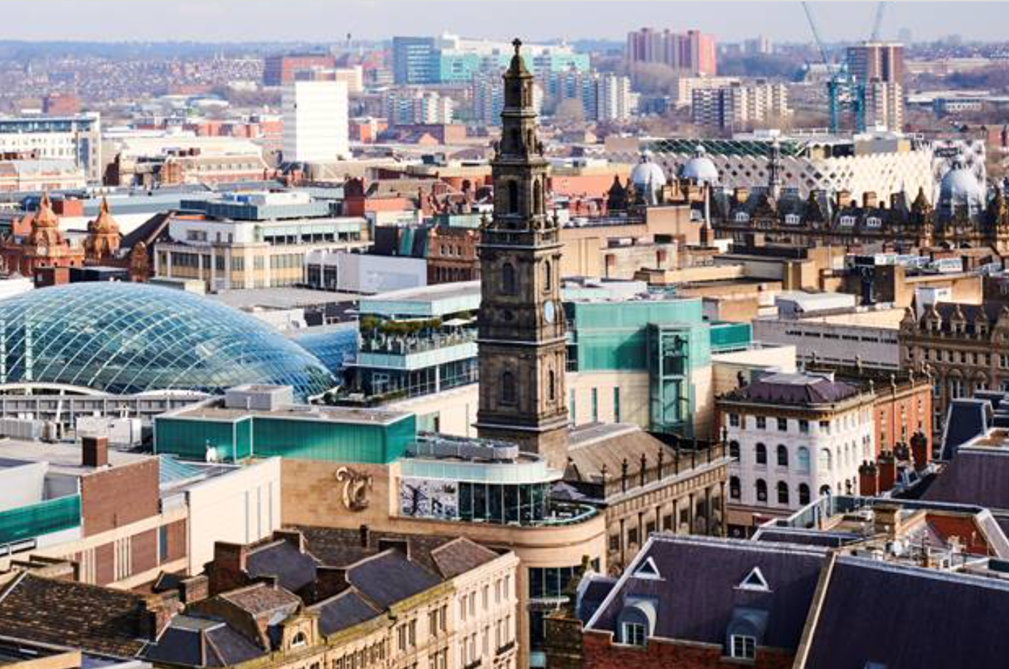
The Industrial Revolution may have begun in Leeds, but the city has never stopped being a centre for technological development and innovation. Today, Leeds is a dynamic hub for new businesses, offering ideal conditions for entrepreneurs and technology startups.
Leeds has been recognised as the best English city for coworking businesses, with the highest concentration of scaling companies outside London. This makes Leeds an attractive location for businesses looking to expand.
The Leeds region supports enterprises of all sizes, from startups to major corporations. According to Deloitte’s Leeds Crane Survey, the city has 845,000 square feet of office space under construction—the highest volume in the survey’s history. Moreover, the cost of office rentals in Leeds is 50% lower than in central London, further cementing its appeal to both budding entrepreneurs and established companies.