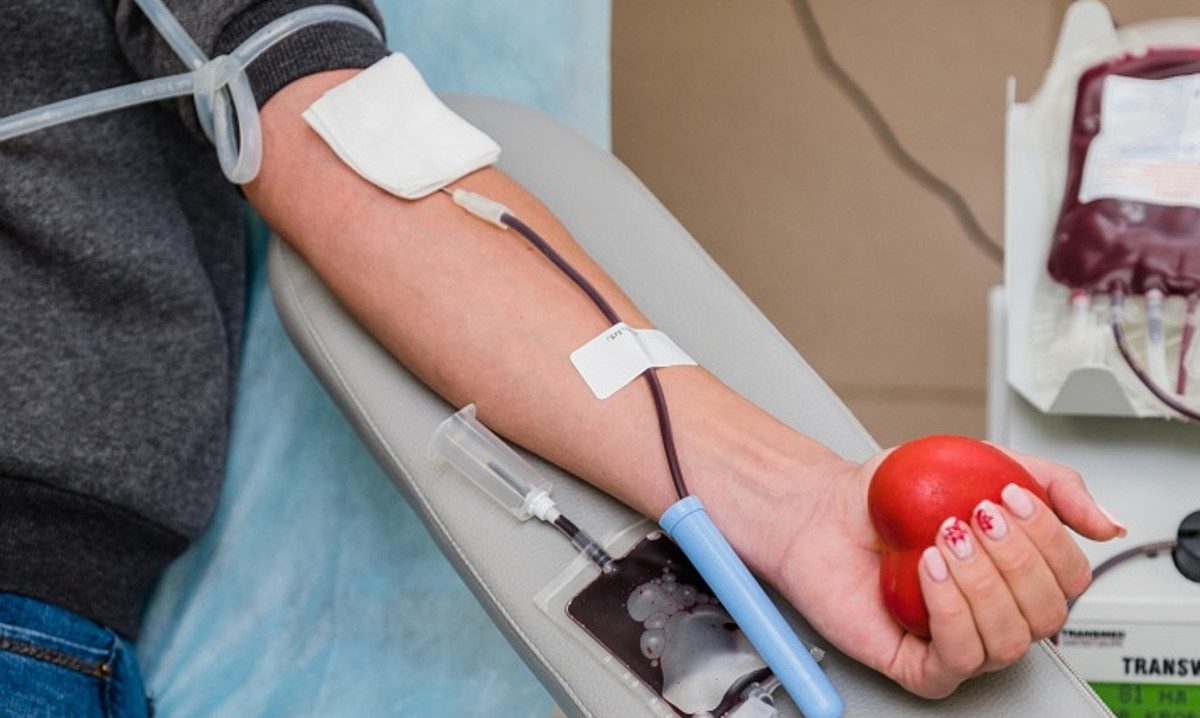

Donating blood is important. Blood donations play a critical role in saving lives during emergencies and disasters. However, did you know that donating blood not only saves lives but also rejuvenates the donor’s body? Today, we’ll talk more about this and where you can donate blood in Leeds. For detailed information, visit ileeds.info.
The Leeds City Blood Donation Centre: What You Need to Know
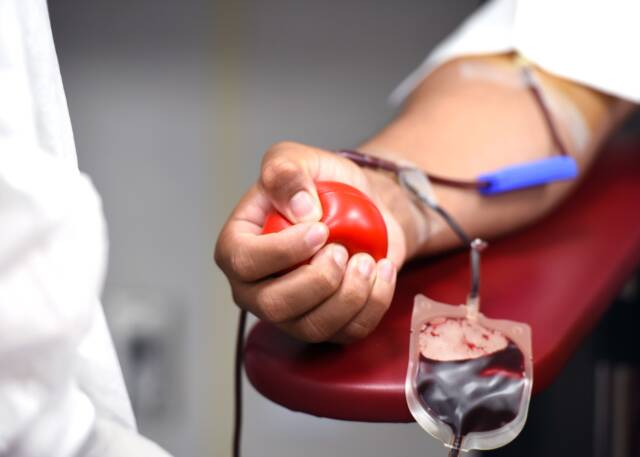
Leeds has one primary facility for blood donation—the Leeds City Blood Donation Centre. This center is the main institution providing the region with necessary supplies of donor blood for treating patients in West Yorkshire hospitals. The centre is part of the UK’s National Health Service Blood and Transplant (NHS Blood and Transplant) system and plays a vital role in supporting healthcare services.
Located in the city center and equipped with modern technology, the facility ensures that blood donation procedures are conducted in a comfortable and safe environment. Annually, the center welcomes over 15,000 donors who collectively donate around 12,000 liters of blood. These supplies meet the needs of more than 30 hospitals in the region.
The blood donation process itself takes approximately 45 minutes. To donate blood, you must visit the medical center, register, and undergo a preliminary medical examination. Only after this examination can the donation proceed. Following the donation, donors are offered a period of rest.
Attracting New Donors
According to Leeds healthcare professionals, donors can give blood every 12 weeks, helping to maintain a stable supply. Additionally, the center actively conducts awareness campaigns to attract new donors, particularly among younger people. For example, in 2024, over 40% of new donors in Leeds were under the age of 30, reflecting a growing interest in blood donation among the younger generation.
The Leeds City Blood Donation Centre also offers the opportunity to donate platelets and plasma, which are critical for treating cancer patients and individuals with severe injuries. Over the past two years, the number of donors providing blood components has increased by 25%.
The center operates by appointment. Its working hours are Monday to Friday from 9:00 AM to 5:30 PM, with some availability on Saturdays.
The Health Benefits of Blood Donation
Did you know that donating blood is beneficial for the donor as well? The process has a positive impact on the donor’s health. Regular blood donation helps maintain bodily balance, stimulates the regeneration of the blood production system, and contributes to overall immune system strengthening.
- Blood renewal. After donating blood, the body activates regeneration processes, stimulating the production of new red blood cells, white blood cells, and platelets. This improves the quality of blood and its ability to effectively carry oxygen to tissues.
- Reduced risk of cardiovascular diseases. Regular donation helps lower iron levels in the blood, which, according to research, can reduce the risk of developing atherosclerosis and heart attacks.
- Cancer prevention. Controlled iron levels through blood donation may reduce the risk of certain types of cancer, including liver, lung, and stomach cancer.
Donating blood is not only a charitable act but also a healthy practice that promotes body rejuvenation and lowers the risk of serious illnesses. Additionally, it provides an opportunity to contribute to saving lives while experiencing the satisfaction of helping others.
We hope this material has been informative and inspiring. If you’re eligible, consider becoming a donor and making a difference. How often do you donate blood? Share your thoughts with us on social media!