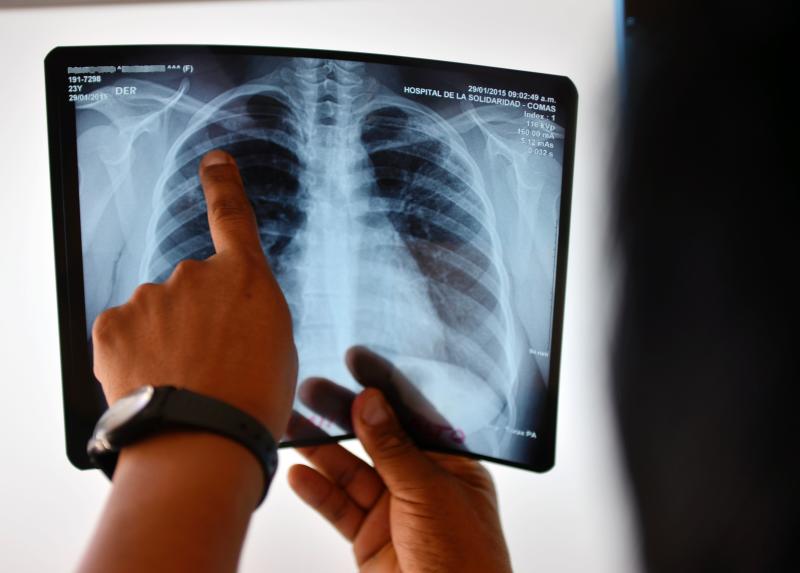

Medicine is an essential part of any city, and in modern times, healthcare in Leeds is at a high level. However, this was not always the case. There was a period when the life expectancy of local residents barely reached 30 years, primarily due to poor sanitation, a lack of medicines, and limited medical knowledge. Today, we will discuss the phthisiatric (tuberculosis treatment) service in Leeds, which reflects the evolution of medicine in combating tuberculosis—one of the most dangerous infectious diseases of the last century. Read more about it on ileeds.info.
The First Steps in Combating Tuberculosis

It is no secret that Leeds in the 19th century faced a high prevalence of tuberculosis, necessitating the creation of specialized medical structures.
The first organized measures to combat tuberculosis in Leeds appeared in the late 1800s and early 1900s. In 1902, Leeds opened its first specialized phthisiatric dispensary. In its initial years, the facility served over 10,000 city residents, significantly improving infection control in Leeds. Before the establishment of the dispensary, tuberculosis treatment was fragmented and often ineffective, contributing to high rates of morbidity and mortality.
With the opening of the dispensary, Leeds began systematically implementing preventive measures, conducting regular medical examinations, and providing comprehensive treatment for patients. These efforts led to a reduction in new cases and improved patient outcomes.
The Development of the Phthisiatric Service in Leeds
The large-scale organization of the phthisiatric service began after World War II. In 1948, the National Health Service (NHS) was established, integrating various medical services, including those focused on tuberculosis. During the 1950s, several specialized phthisiatric departments were opened in Leeds hospitals. These new departments were equipped with modern diagnostic tools of the time, including X-ray machines.
Notably, the 1950s marked the introduction of effective antibiotics in Leeds, which significantly reduced tuberculosis mortality. Statistics show that the incidence of tuberculosis in Leeds decreased by 30% during the first decade following the implementation of the NHS system.
In the 1970s and 1980s, the service adapted to new challenges, including the rise of drug-resistant forms of tuberculosis. Leeds began adopting comprehensive approaches, incorporating treatment, social support for patients, preventive measures, and educational programs.
Over time, the phthisiatric service in Leeds continued to develop and improve. Modern diagnostic methods now significantly enhance the detection and treatment of tuberculosis, enabling timely intervention, which is key to controlling the spread of the infection. Leeds employs molecular tests such as polymerase chain reaction (PCR) and rapid tests, which can detect the presence of tuberculosis bacteria in patient samples within a few hours.
As of 2025, the phthisiatric service in Leeds is part of the regional healthcare system of West Yorkshire. It serves over 2 million residents, providing high-quality diagnosis, treatment, and rehabilitation for tuberculosis patients. Annually, around 500 patients undergo treatment at the Leeds Phthisiatry Centre, with over 90% achieving successful recovery through modern therapeutic methods.
We hope you found this article informative and learned more about your city.