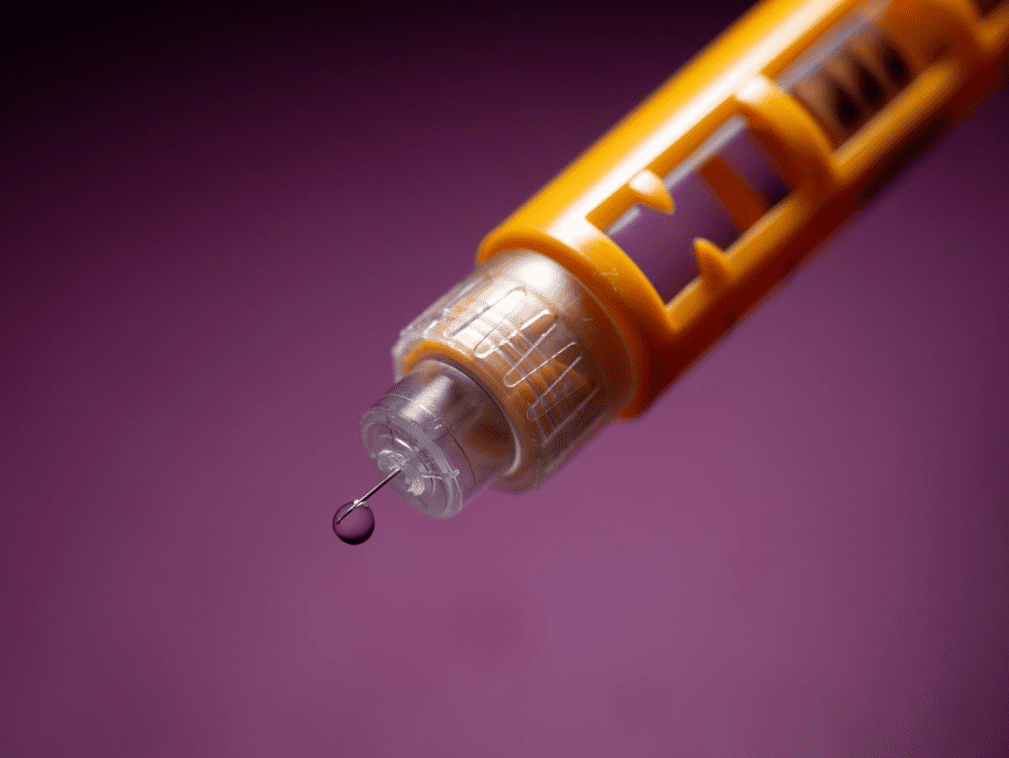

Insulin is a hormone in the human body synthesized by the pancreas. It plays a crucial role in balancing blood glucose levels, helping convert glucose into energy. When the body cannot properly use insulin or does not produce it, diabetes develops. According to ileeds, insulin injections can significantly improve the quality of life for diabetes patients.
In Leeds, approximately 44,000 people suffer from diabetes, with another 32,000 at high risk of developing the disease. Every year, £116 million is spent on diabetes-related healthcare, with £87 million allocated for treating complications. Experts predict that by 2034, one in ten Leeds residents will be diagnosed with diabetes.
The discovery of insulin by surgeon Frederick Banting and his assistant Charles Best in 1921, as reported by Diabetes.org.uk, was one of the greatest medical breakthroughs in history, saving millions of lives.
The Nature of Diabetes
For cells to absorb sugar from the blood, insulin must be produced by specialized cells in the pancreas. People with diabetes lack sufficient insulin because their pancreas does not produce enough of the hormone. Without it, sugar is not absorbed and is instead excreted in urine.
Diabetes exists in two types: Type 1 and Type 2. Type 1 diabetes is an autoimmune condition in which the body attacks itself, preventing the pancreas from producing insulin. This form primarily affects younger individuals but can also develop in the elderly.
Type 2 diabetes occurs when the body becomes resistant to insulin, causing a demand for increased hormone production. This overproduction eventually leads to the failure and death of insulin-producing cells. Although it can occur at any age, it is more commonly diagnosed in older adults.
Symptoms of diabetes include:
- Dry mouth
- Frequent nighttime urination
- Constant hunger
- Persistent fatigue
- Dry and itchy skin
- Excess weight, particularly around the abdomen
- Difficulty concentrating and low productivity
Humanity has been battling diabetes since ancient times. By the third millennium BC, the condition was already recognized, though those diagnosed had little hope of survival. Everything changed when scientists began studying the pancreas.

The Discovery of Insulin
In 1869, German anatomist and histologist Paul Langerhans identified specific groups of cells in the pancreas, later named after him. By 1900, Russian pathologist Leonid Sobolev had studied these cells in greater detail, proving that they regulate blood sugar levels. This research brought humanity closer to discovering insulin.
By 1920, researchers had identified pancreatic cell clusters called islets, which produce insulin. They discovered that these cells are destroyed in Type 1 diabetes. Understanding the disease’s nature allowed scientists to consider treatment methods. However, the challenge was extracting insulin from the pancreas without destroying it.
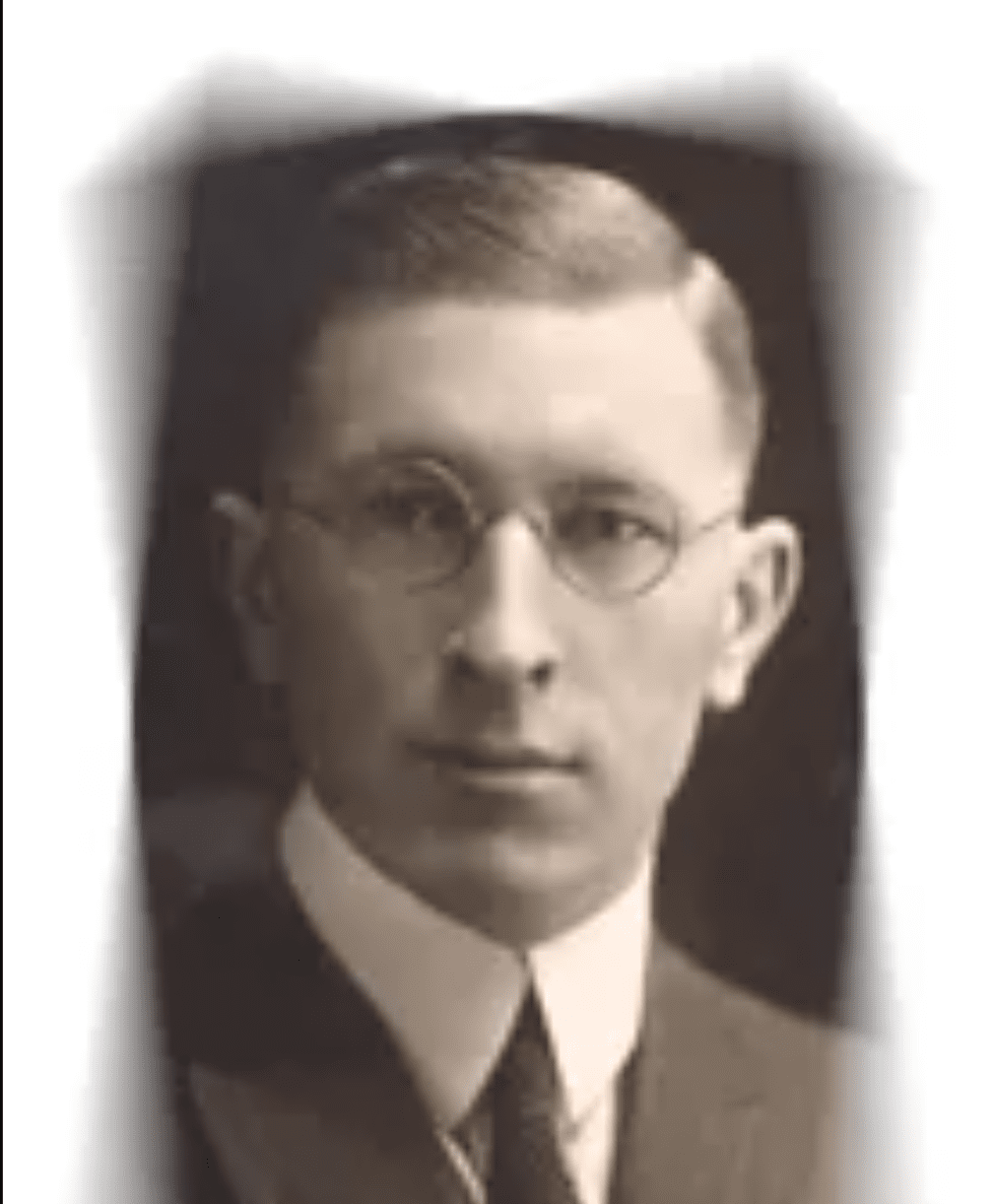
In October 1920, Canadian surgeon Frederick Banting learned that insulin-producing cells break down more slowly than other pancreatic tissues. He hypothesized that it might be possible to extract insulin by selectively destroying the pancreas while preserving the islets. Banting turned to John Macleod at the University of Toronto for help, and together, they devised a plan.
Initial Scientific Experiments
On 17 May 1921, experiments began. Macleod provided Banting with laboratory facilities and invited a student researcher, Charles Best, to assist. Together, they explored methods of extracting insulin from a dog’s pancreas. Their approach involved tying off the pancreatic duct to destroy other tissues while preserving the islets. The resulting extract was administered to diabetic dogs to evaluate its effect on blood sugar levels.
The researchers achieved their first breakthrough in November 1921. On 10 November, they successfully treated a diabetic dog using insulin extract, which stabilised its blood sugar levels after 70 days of treatment.
Further Insulin Trials
By the end of 1921, biochemist James Collip joined the team to refine the extract for human use. He developed a more concentrated and purified insulin solution derived from calf pancreases. Initially called “isletin,” the hormone was later renamed insulin.
In 1922, insulin saved its first human patient, a 14-year-old boy named Leonard Thompson who was dying of Type 1 diabetes. After an initial injection, his blood sugar levels dropped significantly within 24 hours, though a skin abscess formed, and ketone levels remained high.
Collip worked tirelessly to improve the extract, and a second injection on 23 January 1922 brought Thompson’s blood sugar levels near normal with no adverse effects. For the first time, Type 1 diabetes was no longer a death sentence.
A Scientific Breakthrough
On 3 May 1922, the term “insulin” was publicly introduced. By 23 January 1923, Banting, Collip, and Best secured U.S. patents for insulin and its production method. They sold the patents to the University of Toronto for just one dollar each, believing their discovery was humanity’s property and should be accessible to everyone.
Mass production of insulin began on 15 October 1923. Shortly after, on 25 October 1923, Banting and Macleod received the Nobel Prize in Physiology or Medicine. They shared their prize money with Collip and Best, recognising their essential contributions.

Insulin remains one of the most significant medical discoveries, enabling millions of patients to improve their quality of life and escape the fatal consequences of diabetes. The groundbreaking work of these scientists marked a major step forward in addressing one of the world’s most prevalent diseases.