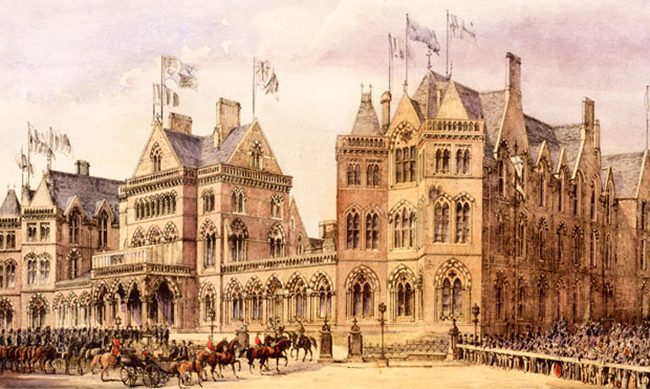

Today, modern medical facilities, high-quality care, and effective medications are a given. If someone falls ill, they can consult a doctor, purchase necessary medications, and undergo diagnostics if needed. However, this wasn’t always the case. This article explores the medical system of Leeds in the 19th century, a period of intense development. Read more on ileeds.info.
Leeds as a Rapidly Growing Industrial City
During the 19th century, Leeds experienced significant growth and development, including in its medical system. However, this development faced numerous challenges related to poverty, unsanitary conditions, and the prevalence of infectious diseases.
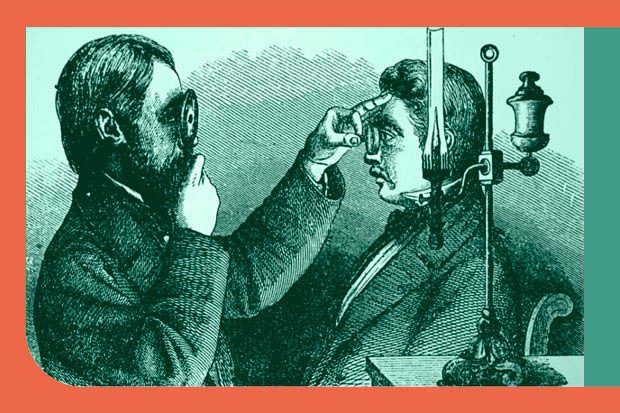
It’s important to note that in the 19th century, Leeds was rapidly growing as an industrial city. This resulted in a high population density and poor living conditions, especially in working-class neighborhoods. The influx of people seeking better opportunities in Leeds created a fertile environment for the spread of diseases such as tuberculosis, dysentery, cholera, and other infections.
The average life expectancy in Leeds at the time was significantly lower than it is today. Many residents did not live beyond 30 years of age due to chronic illnesses and a lack of effective treatments. High mortality rates were attributed to poor sanitation, contaminated water, and overcrowding, which often led to frequent epidemics. Additionally, medical care in Leeds was primarily outpatient, with specialized hospitals only beginning to emerge.
Medical Advancements
In 1902, Leeds marked a milestone in its medical history with the opening of its first specialized phthisiatric dispensary. This facility served over 10,000 residents and represented a significant step in the systematic fight against tuberculosis. This institution positively impacted public health in the city.
At the same time, significant scientific breakthroughs were occurring in medicine, including the discovery of the cell as the basic unit of life, advancements in microbiology, and the introduction of antiseptic methods in surgery. The emergence of the first effective drugs and treatment methods began to gradually reduce mortality from many diseases.
A crucial factor in the development of medicine in Leeds and other cities was the establishment of public health systems aimed at improving sanitary conditions, ensuring access to clean water, and controlling the spread of infectious diseases.
Common Diseases in 19th-Century Leeds
In the 19th century, Leeds was a major industrial center with densely populated working-class areas where disease prevalence was exceptionally high. Historians note that the most common illnesses in Leeds at the time were infectious diseases, particularly tuberculosis, which became one of the leading causes of death. Additionally, dysentery, cholera, pneumonia, and various skin and intestinal infections were widespread due to unsanitary conditions and poor housing.
Cholera, caused by the Vibrio cholerae bacterium, was a leading cause of epidemics in Western European cities, including Leeds. Cholera pandemics in the 19th century, fueled by contaminated water and poor sanitation, resulted in thousands of deaths. The lack of proper sewage systems and water purification methods allowed the infection to spread rapidly among the population.
Other infectious diseases, including typhus, pneumonia, dysentery, and smallpox, were also prevalent in Leeds. These illnesses often led to mass outbreaks and high mortality rates.
We hope this article provided valuable insights into the history of your city.