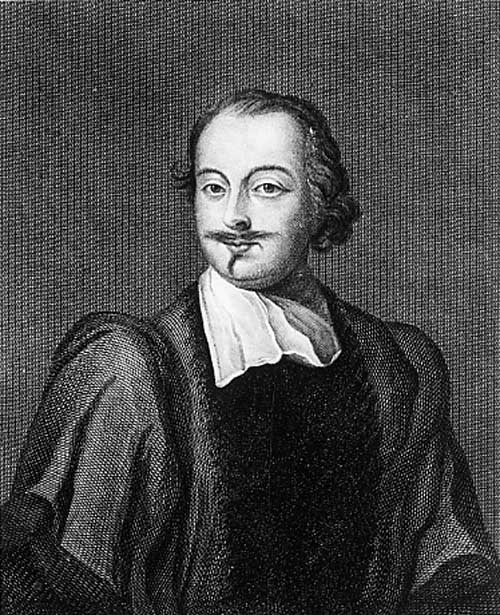

The city of Leeds has a unique history, shaped by remarkable and influential individuals. Today, we turn the pages of history to learn about John Harrison, one of Leeds’ earliest wool merchants and philanthropists. He was such a notable figure that a memorial stands in his honour in the city. Read more about Harrison’s life and contributions on ileeds.info.
What Is Known About John Harrison
John Harrison was known to own vast tracts of land, a legacy of his ancestors, who purchased properties near Leeds. Over time, these territories became part of the city, making Harrison a prominent landowner. In addition, he was one of Leeds’ first cloth merchants, a profession that flourished as Leeds emerged as a hub of the textile industry.
Beyond his business success, Harrison earned great respect in Leeds as a philanthropist. Local politicians valued his opinion, and he invested heavily in the city’s growth. He funded the construction of the market cross, jointly acquired Leeds Manor with other affluent citizens, and continually supported the city’s development.
A Financial Gift to the King
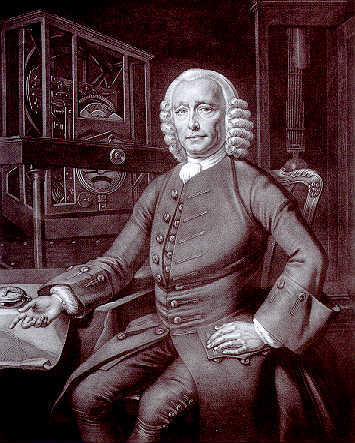
John Harrison’s influence extended to connections with members of Parliament. It is said that Harrison gave a financial gift to King Charles I when the monarch was in Leeds during the English Civil War.
A legend tells of Harrison’s visit to King Charles I while he was imprisoned in Leeds. Harrison reportedly presented the king with a silver-lidded tankard filled not with ale, but with gold coins. Additionally, there are accounts of Harrison lending money to Parliamentarians, reflecting his wealth and influence during a turbulent period.
John Harrison was a lifelong philanthropist, consistently donating to various causes as Leeds began its journey toward urban development. During this time, many poor citizens lived in the region. In 1643, Jenkinson founded a hospital in Mill Hill due to the absence of medical facilities for the underprivileged. Ten years later, Harrison funded the construction of a building for impoverished residents at the hospital.
Harrison also financed the construction of a new building for the grammar school originally founded by William Sheffield.
In gratitude for his contributions, the people of Leeds erected a statue of Harrison in the city square. Another significant memorial to the philanthropist is located at St. John’s Church at the top of Briggate, a church Harrison himself funded. Notably, St. John’s Church is listed as a Grade I building on the National Heritage List for England and is the oldest church in Leeds city centre. Construction began in 1631, and the church was consecrated in 1634—a time when few churches were being built.
In the 1830s, the church was partially rebuilt, and its tower was renovated. However, in the mid-19th century, there were plans to demolish the church and replace it with a modern structure. Fortunately, the church was preserved and renovated instead.
St. John’s Church is constructed of ashlar stone with a slate roof. Inside, visitors can admire intricate carvings on the wall panels, pews, and pulpit, showcasing the craftsmanship of the era.
This is the story of John Harrison, the celebrated merchant and philanthropist who made significant contributions to Leeds. His generous actions and unwavering dedication have left an enduring legacy in the city. Leeds remembers Harrison not just in words, but through the tangible marks he left on its landscape.
We hope this material has been informative, offering a deeper understanding of Leeds’ rich history. What do you know about John Harrison? Share your thoughts with us on social media!