
The city of Leeds has produced many talented and accomplished individuals, particularly in the field of science. Today, we highlight William West, a prominent English pharmacist, botanist, microscopist, and writer, renowned for his groundbreaking research into freshwater algae. Learn more about the life and contributions of this distinguished scientist on ileeds.info.
Early Life and Education
William West was born in Leeds in 1848 into a working-class family. His mother worked as a seamstress, while his father was involved in the clothing trade. William grew up in a large family with three siblings.
In 1872, William moved to Bradford, where he established his own pharmacy business. Just two years later, he married Hannah Wainwright, his neighbour from Woodhouse Moor. Together, the couple had two sons, both of whom later followed in their father’s footsteps to become well-respected botanists.
Career Development
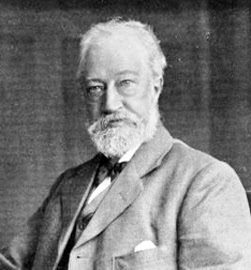
William West’s career began in 1872 when he founded his pharmacy in Bradford, a business he managed until his death. However, his work extended far beyond pharmacy. William West lectured on botany, biology, pharmacology, and bacteriology at Bradford Technical College, earning a reputation as a gifted and respected educator among his students. He remained a lecturer there until the end of his life.
Beyond teaching, West was also an avid plant collector. In 1878, he published his first article, providing recommendations on maintaining aquariums for microorganisms. As his work progressed, he developed microscopic slide preparations for exchange and continued to prepare materials for publication.
West collaborated with his younger son, jointly studying botany and publishing their findings in various scientific journals. His articles covered topics such as roses, lichens, mosses, and local flora, including notable works like:
- “The Mosses”
- “Autumn Flora of Vernside”
- “The Roses of the Towton Battlefield”
- “Buckinghamshire Lichens”
- “A February Walk near Baildon”
- “Principal Plants of Malham”
- “Plants of the Bradford District”
His collaboration with his son culminated in contributions to the “Flora of Yorkshire” by Lees.
Worldwide Recognition
Colleagues often described William West as a man of remarkable knowledge and a truly well-rounded scholar. His international fame stemmed from his extensive research into freshwater algae, a field in which he became a leading authority. William West published numerous articles, memoirs, and scientific papers, continuously uncovering new insights about these fascinating organisms.
West was also considered an ecologist long before the term became widely recognised. His work focused on the ecology of cryptogamic plants, significantly advancing the understanding of plant biology across Britain and Europe.
Throughout his career, William West explored remote regions of the British Isles, including the Scottish Highlands, Ireland, North Wales, and the English Lake District, further enriching his botanical research.
William West held several prestigious positions during his career:
- Secretary of the Botanical Section of the Yorkshire Naturalists’ Union.
- President of the Yorkshire Naturalists’ Union in 1899.
- Member of the British Association and secretary of its botanical section.
- Fellow of the Linnean Society.
His dedication to scientific discovery and his tireless contributions to botany made him a highly respected figure in the scientific community.
William West’s legacy is a testament to the power of determination and scientific curiosity. His innovative research, particularly into freshwater algae and cryptogamic plants, left an indelible mark on botany and ecology. His meticulous work and contributions have earned him a well-deserved place in the history of British science.
We hope this article has offered valuable insights into the life and achievements of William West, one of Leeds’ most remarkable scientists.