
New Year is a beloved holiday for both children and adults. People enjoy it for its traditions, winter holidays and vacations, cosy family dinners, and gatherings with friends. But have you ever wondered about the origins of New Year traditions? More specifically, when did they first begin? It’s worth noting that in the last century, a number of New Year customs developed in Leeds that reflected the sociocultural changes of the time. This was a period when local traditions blended with European influences. Today, we take a closer look at how New Year traditions emerged in the 20th century. Learn more on the ileeds.info website.
When Did People Start Celebrating the New Year in Leeds
The celebration of New Year in Leeds, as in many other European cities, began to take shape in the 19th century. It was during this time that the tradition of decorating a Christmas tree became widespread. However, historians note that the idea of a New Year tree originated earlier, in the 16th–17th centuries, in Germany and France. In Leeds, the tradition gained popularity in the 19th century, when festive trees began to appear in public spaces and private homes.
By the 20th century, New Year’s Day had become even more widely celebrated. It was during this century that the Christmas tree became the central symbol of the New Year holidays in Leeds. The main tree was decorated with garlands, ornaments, and candles, creating a special atmosphere of comfort and holiday magic. As you’ve likely guessed, this tradition was borrowed from Germany and gradually became widespread across the UK.
Key New Year Traditions of the 20th Century
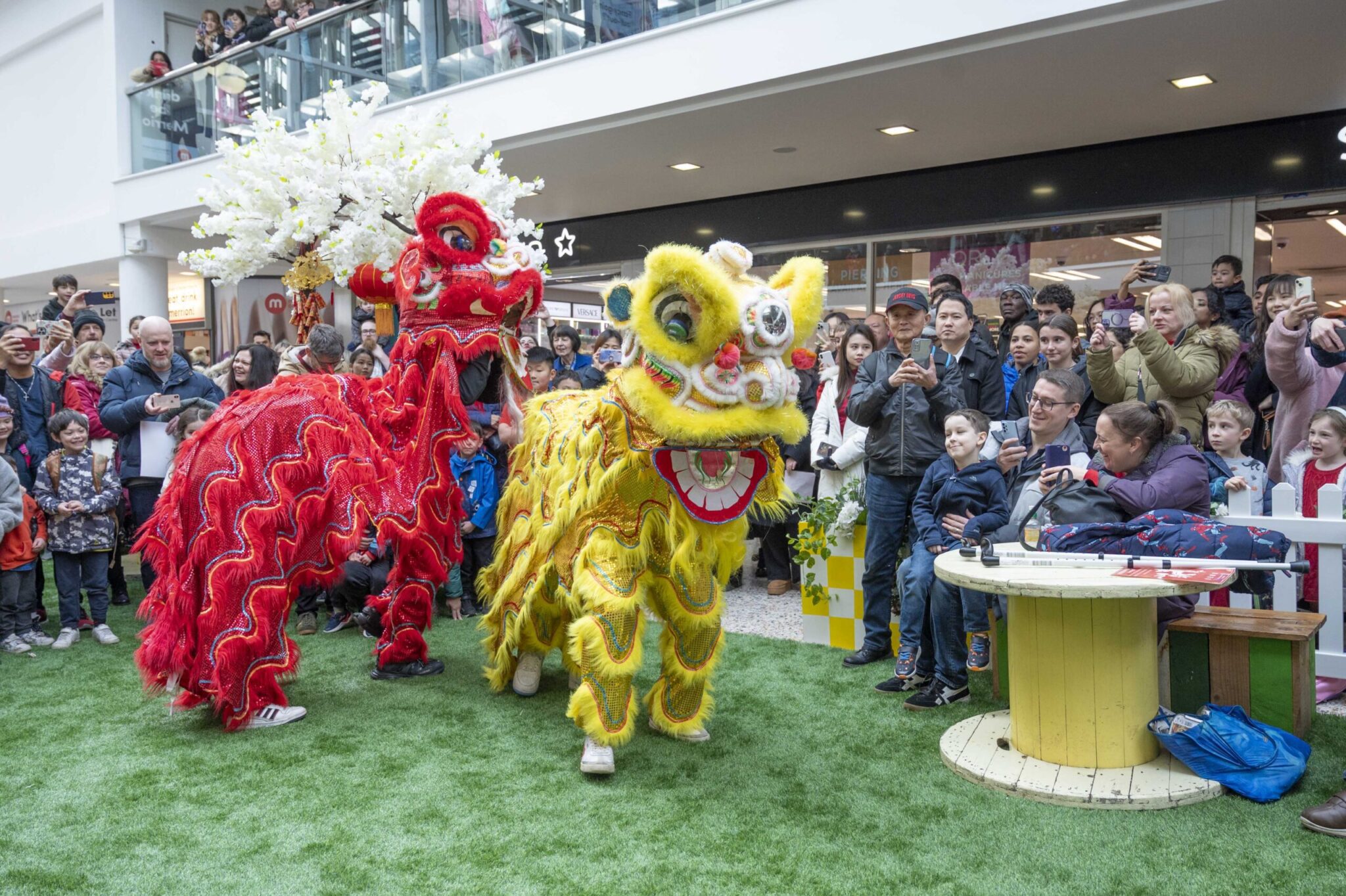
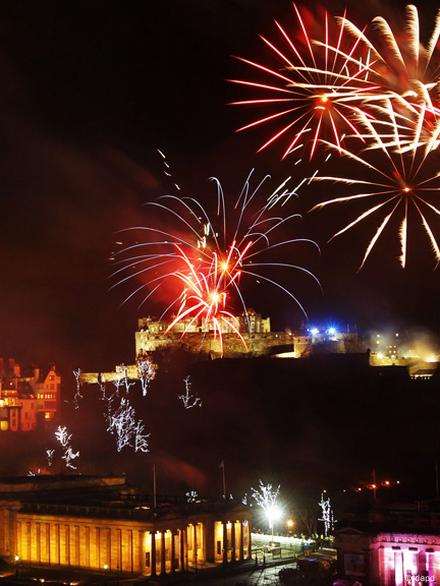
It was in the 20th century that Leeds began to host large-scale public New Year events — concerts, fairs, and fireworks that gathered thousands of city residents. Holiday parades became particularly popular, taking place along the city’s main streets. Participants in bright costumes performed theatrical shows, musical numbers, and dances. These festive events brought the community together and created a joyful New Year spirit.
From the 1950s to the 1970s, a tradition emerged in Leeds of giving gifts not only within families but also as part of charitable initiatives for children from low-income families. In this way, the people of Leeds aimed to spread happiness and bring joy to those who needed it most.
Music also became an important part of New Year celebrations in Leeds. Local musical groups and art schools organised special concerts featuring classical, folk, and popular music to accompany the festivities. Since the 1980s, New Year discos and parties have become a hallmark of student life, attracting young people from across the city.
New Year’s Dinner — A Holiday Tradition
In Leeds, it is traditional to prepare roast turkey, Christmas pudding, mince pies, and other classic British dishes for the New Year table. Over time, the holiday menu has evolved, incorporating new symbolic foods.
Interestingly, certain dishes considered to bring luck and prosperity are traditionally included in Leeds’ New Year’s meals. That’s why you’ll often find:
- Fish – A symbol of abundance and wealth. Salmon, trout, or other varieties are commonly served as a sign of prosperity.
- Pork – Thought to bring luck, health, and growth.
- Peas or lentils – Represent fertility and success, often featured in side dishes or salads.
- Sweets – Cookies, cakes, and other desserts symbolise joy and happiness, making them essential on the holiday table.
- Eggs – A symbol of renewal and new beginnings, usually served devilled or in salads.
Another popular Leeds tradition is eating 12 grapes at the stroke of midnight, each grape symbolising good luck for each month of the coming year.