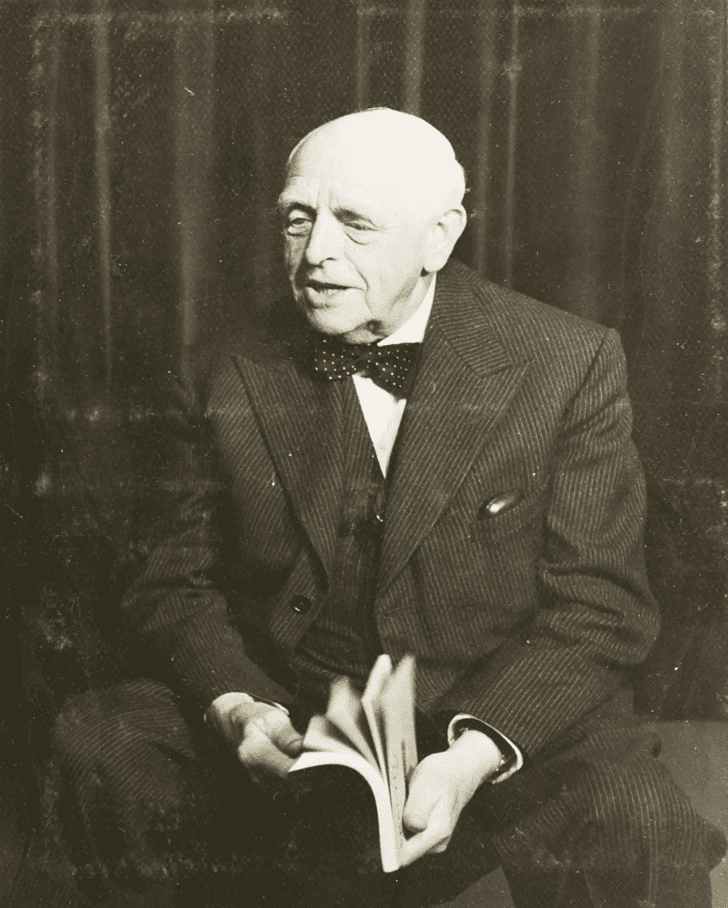
William Pickles was a prominent epidemiologist and became the first president of the Royal College of General Practitioners in 1953. The doctor practised in Wensleydale for over 50 years and half of that time he kept recording his observations. Thus, he proved that a county GP has enough research opportunities. Learn more at ileeds.
The scientist devoted his life to researching diseases and epidemics, studying the scientific reasons for the incubation period of infections. His work significantly contributed to modern medicine. In the 2020s, the doctor’s achievements helped fight the coronavirus epidemic. The above-mentioned information is noted by Visitleeds.co.uk.
Childhood and youth of William Pickles
William Pickles was born in Camp Road, Leeds, on 6 March 1885. The future scientist’s parents were John Jagger Pickles and Lucy Pickles. William’s grandfather was a local pharmacist. William’s father also worked as a doctor and led a general medical practice. So, it was a medical dynasty. Six boys were brought up in that family and all of them followed the father’s footsteps. However, William managed to reach unprecedented heights.
Pickles first attended Leeds Grammar School and continued his study at Leeds Medical School. In 1909, Pickles was licensed to practice by the Society of Apothecaries. After qualifying in 1910, the young doctor worked in several clinics in the North Riding, including Bedale.
In 1913, William Pickles, along with his partner, GP Dr Dean Dunbar, bought a practice in Aysgarth, where they served around 3,000 people in and around the village. Five years later, William managed to get a MD. In 1917, the doctor married Gertrude Adelaide Tunstill. She was the daughter of Harry Tunstill, a wealthy mill owner from Burnley.
Pickles’ views were significantly influenced by such predecessors as epidemiologist William Budd and cardiologist James Mackenzie. The doctor often advised young colleagues and medical students to read Mackenzie’s biography, The Beloved Physician, written by McNair Wilson.
The doctor’s participation in the First World War and his epidemiological studies
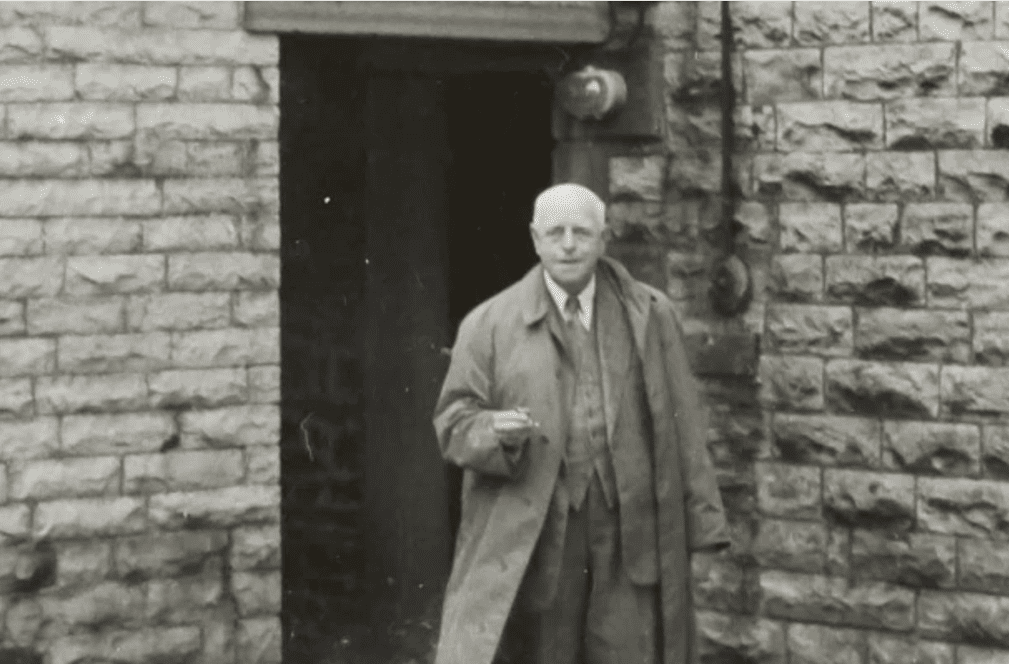
During 1914-1918, William Pickles participated in the First World War. He joined the Royal Navy as a surgeon. He also gathered twenty nurses to help soldiers. All of these women were volunteers and had no previous experience in medicine. Nurses took care of wounded soldiers in military hospitals in Great Britain and Europe. During the war, he held the rank of surgeon-lieutenant.
Dr William Pickles studied the incubation period and the spread of diseases. He recorded and analysed data on every epidemic that occurred in Aysgarth for more than 20 years, including outbreaks of measles, influenza and jaundice. In 1939, Dr Pickles published Epidemiology in Country Practice. It consisted of his medical observations, focusing on a particularly severe outbreak of catarrhal jaundice in the valleys in 1928-1929. The doctor and his wife recorded data on the outbreak of the disease for more than two years and came to the conclusion that the incubation period of the disease is 26-35 days.
Doctor’s recognition and awards
The value and uniqueness of Pickles’ epidemiological work were recognised by Professor Major Greenwood in 1937. He invited William to London, where he met with Sir Austin Bradford Hill and other specialists.
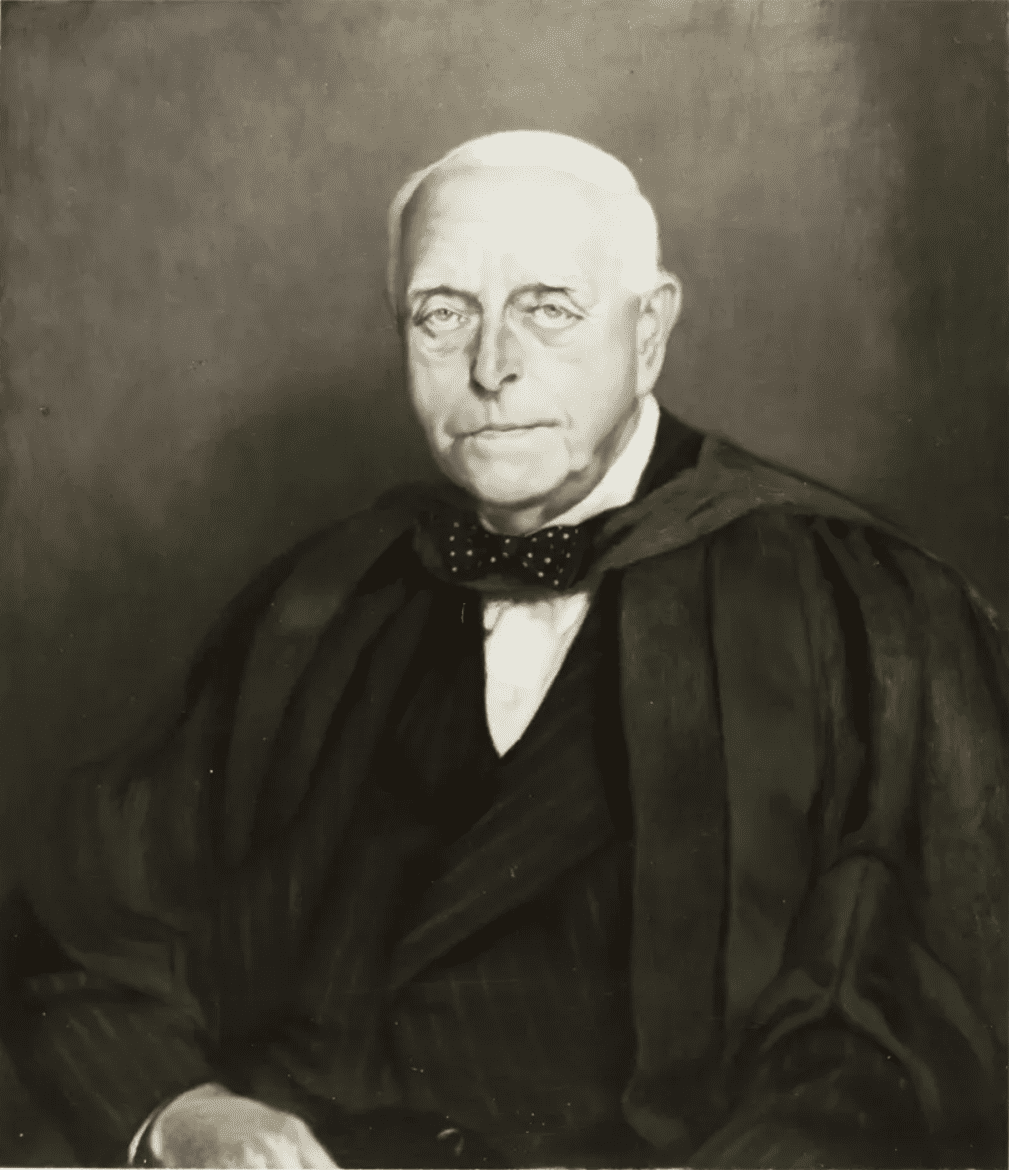
Doctor’s academic and practical activity was highly appreciated by his contemporaries. In 1950, he got a DSc at the University of Leeds. Since then, Pickles has been receiving many invitations to lecture at various medical schools in the United Kingdom. He has also travelled to Australia, South Africa, the USA and Canada to address audiences there as well. William Pickles became the first president of the Royal College of General Practitioners and held this position from 1953 to 1956. In addition, he was knighted by the Order of the British Empire in 1957.
The distinguished scientist and physician was awarded the Bisset Hawkins Medal of the Royal College of Physicians in 1953 and the James Mackenzie Medal of the Royal College of Physicians of Edinburgh in 1955. Some of his publications are
- Vincent’s Disease, Journal of the Royal Naval Medical Service, 1919
- Epidemic catarrhal jaundice: An Outbreak in Yorkshire, British Medical Journal, 1930
- Bornholm Disease: Account of a Yorkshire Outbreak, British Medical Journal, 1933
- Epidemiology in Country Practice, Proceedings of the Royal Society of Medicine, 1935
- Sylvest’s Disease, New England Journal of Medicine, 1954.
Dr Pickles’ legacy
William Pickles was a very famous doctor, but he remained a rather simple and benevolent man in his private life. For Wensleydale residents, Dr Pickles has been a generational family doctor, a trusted and known specialist for half a century.
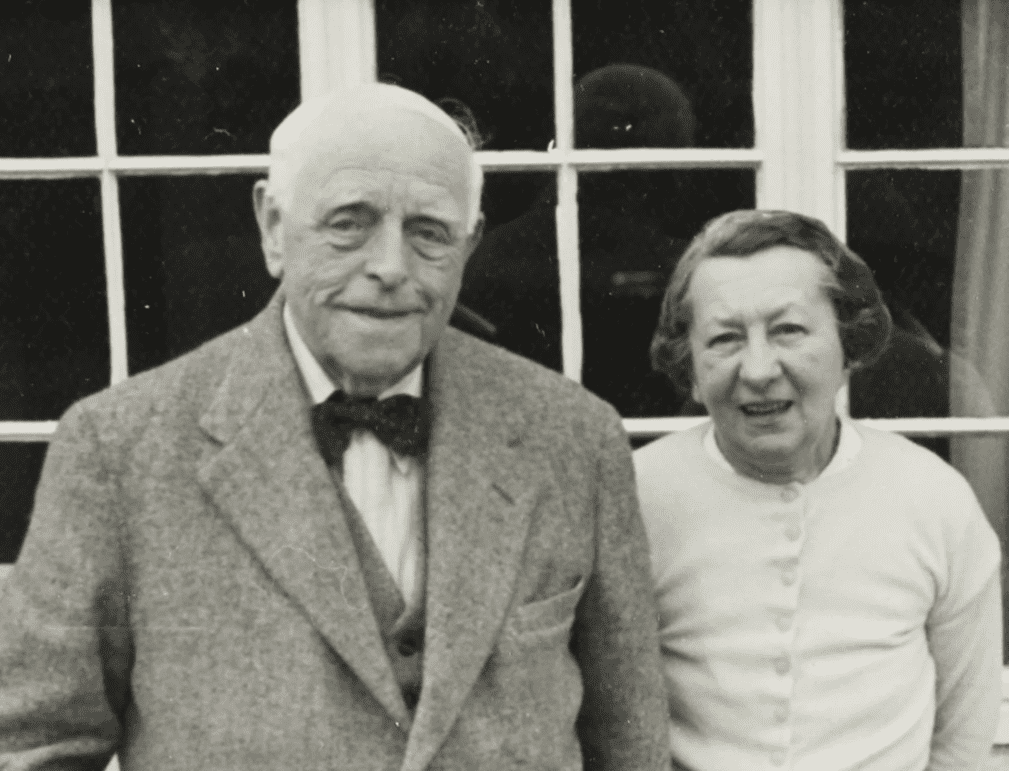
He greatly valued his friends and respect from fellow GPs in Yorkshire. Together with his wife, he organised annual medical evenings for such eminent specialists as Sir James Spence, Sir James Mackintosh and Henry Miller.
The doctor surpassed himself and went beyond the usual image of a general practitioner of the time. He chose a difficult and interesting path from initial medical practice to persistent research work about infectious diseases at the highest level. His work as an epidemiologist was recognised by contemporaries and descendants.
Most importantly, the local residents were extremely satisfied with the doctor and their unbiased opinion testifies to his high professionalism. Inspired by Pickles’ amazing fate, poet and writer Joan Pomfret even wrote a poem in honour of the doctor in 1951. It was called This was his path.
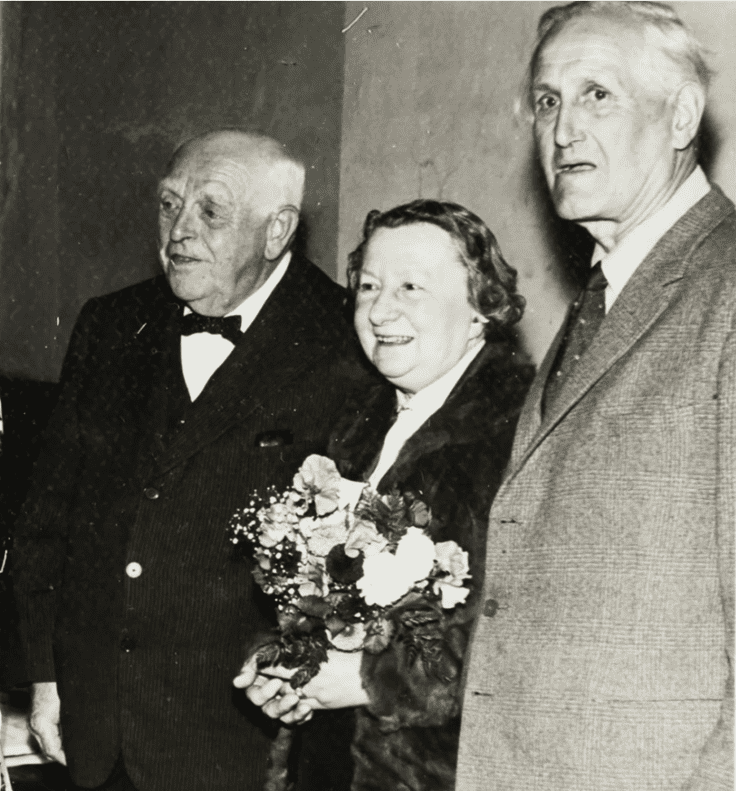

Death of William Pickles
William Pickles was seriously ill in the last years of his life, although he managed to live a long life. Due to harsh health problems, his right leg was amputated in 1965. Pneumonia took the life of an outstanding doctor on March 2, 1969. His wife died in the same year. His obituary stated that William Pickles always treated all his patients, even those who caused him a lot of trouble, with indulgence and respect.
William Pickles’ main achievement was his important scientific research. His many years of work experience was accompanied by an excellent reputation. He always performed the assigned duties conscientiously. Pickles’ work, Epidemiology in Country Practice, contained innovative ideas on the study of infectious diseases. Thanks to his fruitful work on the topic, he earned the title of one of the world’s leading epidemiologists. The doctor devoted almost his entire life to serving people and his contribution to domestic and global medical science is indeed significant.