
Leeds has always paid a lot of attention to medicine, which, in some sense, is a form of art. Residents of Leeds take care of their health, try to keep themselves fit, be strong and stress-resistant. However, if problems do occur, the city has a well-developed healthcare system with a long history. Learn more at ileeds.
Residents of the city confidently trust their doctors and have a wide variety of medical institutions at their disposal. Local highly qualified doctors will provide the necessary assistance in any emergency. It is also worth noting that the history of the medicine development in Leeds goes back to the 1770s. The above-mentioned information is noted by Visitleeds.co.uk.
Prerequisites for the development of medical practice in the city
The history of medical development in Leeds is about 300 years old. The first hospital was built here in 1771. Innovative measures aimed at improving the health care system were introduced in Leeds in 1833. Then they helped to significantly improve the sanitary condition of the city. Leeds also acquired successful pharmaceutical companies. This city witnessed amazing medical achievements and the lives of famous doctors.
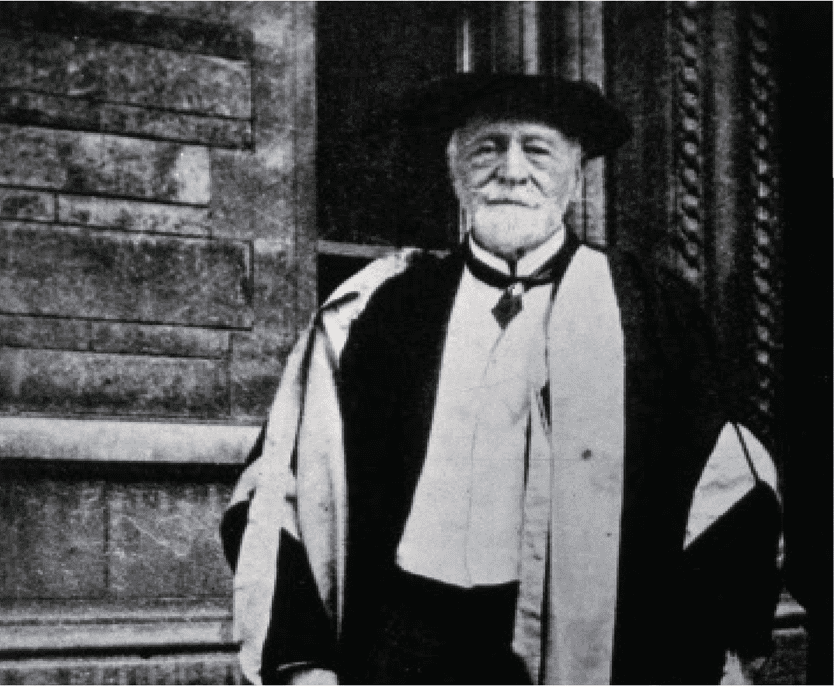
Some of Britain’s most famous medical specialists have been connected with Leeds in one way or another. Sir Thomas Clifford Allbutt, who invented the modern thermometer, was one of them. This specialist worked in Leeds in the period from 1861 to 1889. In general, Leeds has been a fairly progressive metropolis since long ago. It took care of the population and did everything possible to ensure a quality living standard for its citizens.
Development of the Leeds medicine in the 19th century
In 1800, the population of Leeds reached 25,000 people. Due to such a positive demographic situation, there was a need to expand medical services and their availability for all residents. In 1832, a law that provided doctors, professors and students with the opportunity to dissect the donated corpses came into force.
The very next year, the Factory Acts were adopted as well. They required a reduction of the working day for children. Addressing the issue of child labour has helped to significantly reduce the child mortality rate and increase safety.
In 1846, ether was tested for the first time as an anaesthetic. The experiments were carried out by a student Claudius Galen Wheelhouse at the Leeds School of Medicine. Just a few days later, ether was successfully tested on patients in the infirmary.
In 1851, Leeds’ population reached 101,000 people. The medical infrastructure was actively developing simultaneously with the growth of the population. In 1893, Leeds received the status of a city. In 1899, the sociologist Seebohm Rowntree published a study of living conditions, as he was concerned about his countrymen and their well-being. In addition, it was to the requirement of time and world progress. He emphasised that low wages and unemployment lead to the unsatisfactory state of residents’ health.
The 19th century gave the world more professional medical education, aseptic surgery, which reduced the risk of infection, and the microbial theory of diseases. New hospitals were built as well. Doctors confidently researched and used new methods of treatment. They also developed innovative surgeries and invented appropriate equipment. Newly created specialised companies were engaged in the production of various medical products, from precision forceps to artificial respirators.
Development of medicine in 20th-century Leeds
The next century brought new achievements in the field. In 1904, a specialised institution for the treatment and isolation of patients with infectious diseases was founded in Leeds. It was Seacroft Hospital. In 1914, with the outbreak of World War I, the War Department began using aseptic field bandages.
The National Health Service was created in 1948. In 1967, a pioneering laboratory of cytogenetics was opened in Leeds. The institution was based at St James’s Hospital and was involved in the study of the chromosome structure and functions.
The development of medicine in the 20th century was significantly influenced by the military conflicts. It applied to Leeds as well. Thus, the first blood transfusions were carried out during the First World War. Thanks to them, long operations became much safer. The establishment of the National Health Service in 1948 also contributed to the fact that free medicine became accessible to every citizen.

The current state of medicine in Leeds
The first in the UK transplantation of a hand was performed in Leeds in 2013. The surgeons, led by Professor Simon Kay, demonstrated that Leeds is always at the forefront of the latest technology and methods.
Residents of Leeds can rely on high-quality and modern medical care at local
- St James’s University Hospital
- Leeds General Infirmary
- Nuffield Health Leeds Hospital
- Seacroft Hospital
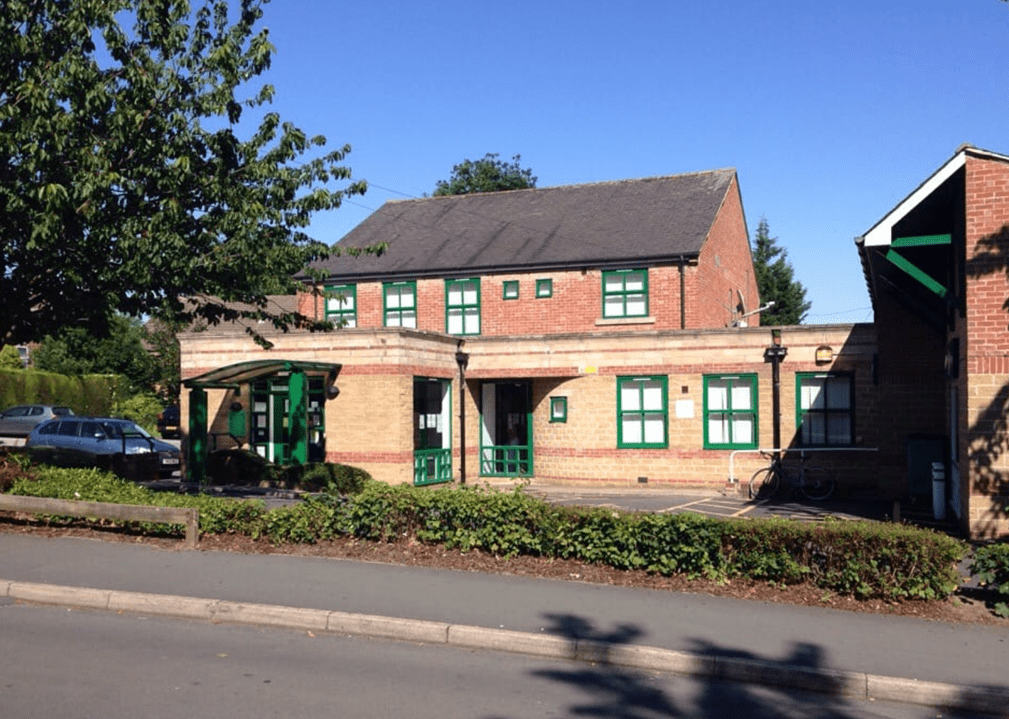
- Westfield Medical Centre
- Woodhouse Health Centre
- and others.
Among the most famous doctors and pharmacists of Leeds are Anne Lyon Hansen, Charles Thackray and Lucy Osburn. All these outstanding specialists made a significant contribution to the development of medicine, medical practice and pharmaceuticals not only in Leeds but also in Great Britain in general. Their names became known far beyond the borders of their hometown.
There are two medical universities in Leeds, namely Leeds School of Medicine and Leeds Institute of Medical Research at the St James’s University of Leeds. The people of Leeds are proud of the city’s dynamic and innovative clinical and academic education.
Students are provided with comprehensive knowledge within the chosen specialty, which meets the requirements of modern times and helps them to prove themselves worthily in the labour market. Local educational institutions offer young men and women a wide range of study programmes and scientific research. Leeds is a great place to get an education. In addition, the staff of local universities are always happy to invite students from all over the world here.
In order to support their health, the city residents resort to preventive measures. For example, they stimulate their immunity by doing sports. Sports activities are developing quite well in Leeds. The city features perfect conditions for active recreation, tourism, cycling and amateur sports initiatives. The residents like to go hiking, play football, golf, swim, do gymnastics and run. They perform yoga exercises and take care of their mental health to stay productive. A good rest is a guarantee of well-being, as it helps to recharge energy for new achievements.
Leeds will definitely continue to prove itself as a progressive city of high technologies, including medical ones. Using the rich experience of the past, modern doctors practise complex operations, challenge serious diseases and zealously face, at first glance, hopeless cases. Medicine and its development is a priority task for the local authorities, which are trying to maintain the status of Leeds as one of the leading megacities in Great Britain. Thus, Leeds is ready for new impressive achievements and results.