

Bicycles are a convenient, ecological and fast individual means of transportation. Cycling has gained popularity in Leeds. According to statistics, about 5.9% of its residents commute to work by bicycle. Learn more at ileeds.
As Leedsbikes.com notes, the appearance and development of bicycles ushered in the era of mechanisation and the emergence of other advanced technologies. When Baron Drais invented the first bicycle in 1817, civilization didn’t have enough tools and machines at its disposal. At that time, they were rudimentary and there was a shortage of people skilled in simple mechanical crafts.
The large volume of bicycle production gave impetus to the development of higher-quality materials, such as steel and rubber compounds. This ultimately accelerated the improvement of machines and production processes.
What were the first bicycles in Leeds?
After the creation of the first bicycle by the German Baron Karl von Drais in 1817, such vehicles gained huge popularity. They adequately replaced horse traction. Karl von Drais made his invention because of a terrible crop failure. The famine of 1816, which was caused by a lack of oats, led to the mass death of horses, so it was clear people needed a quality alternative.
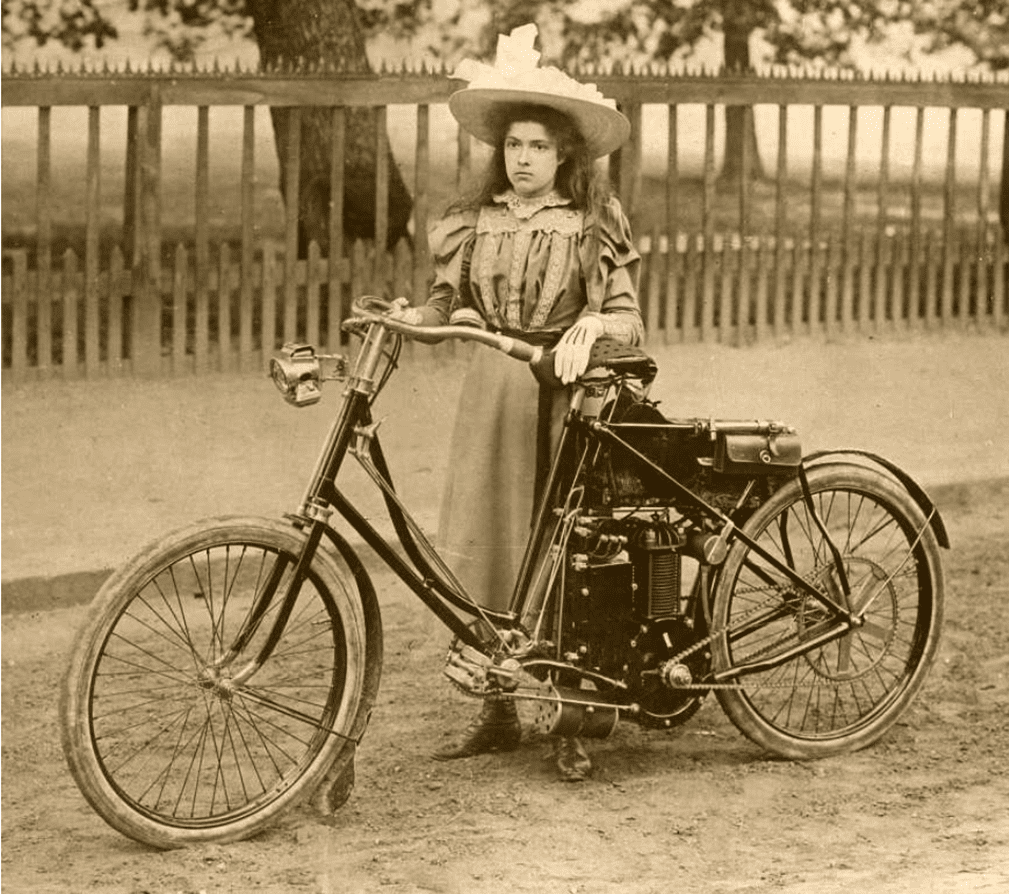
The first bicycles were called draisine in honour of their inventor. At first, these vehicles weren’t comfortable at all. Their rigid frame and iron-rimmed wheels caused the riders to shake mercilessly while moving. Therefore, it was nicknamed the Boneshaker in Great Britain.
The first freewheel devices appeared on bicycles in the 1870s. This device allowed the bicycle wheels to turn without pedalling. Eventually, this technology made it possible to produce cars that could drive by inertia without the need to press on the gas pedal.
In 1878, James Starley invented the differential axle for the tricycle. Without this invention, the creation of a car wouldn’t have been possible. Moreover, the progress in the production of bicycles led to the intensive development of roller and ball bearings. The study of metallurgy and steel hardening has greatly improved as well.
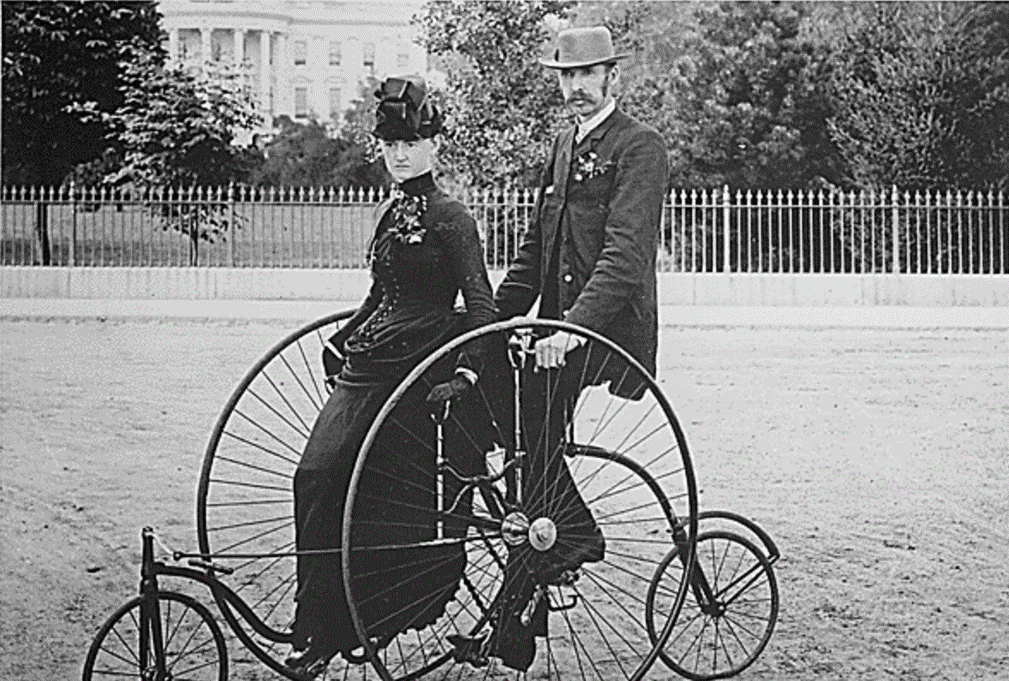
Women’s emancipation took place thanks to the use of bicycles
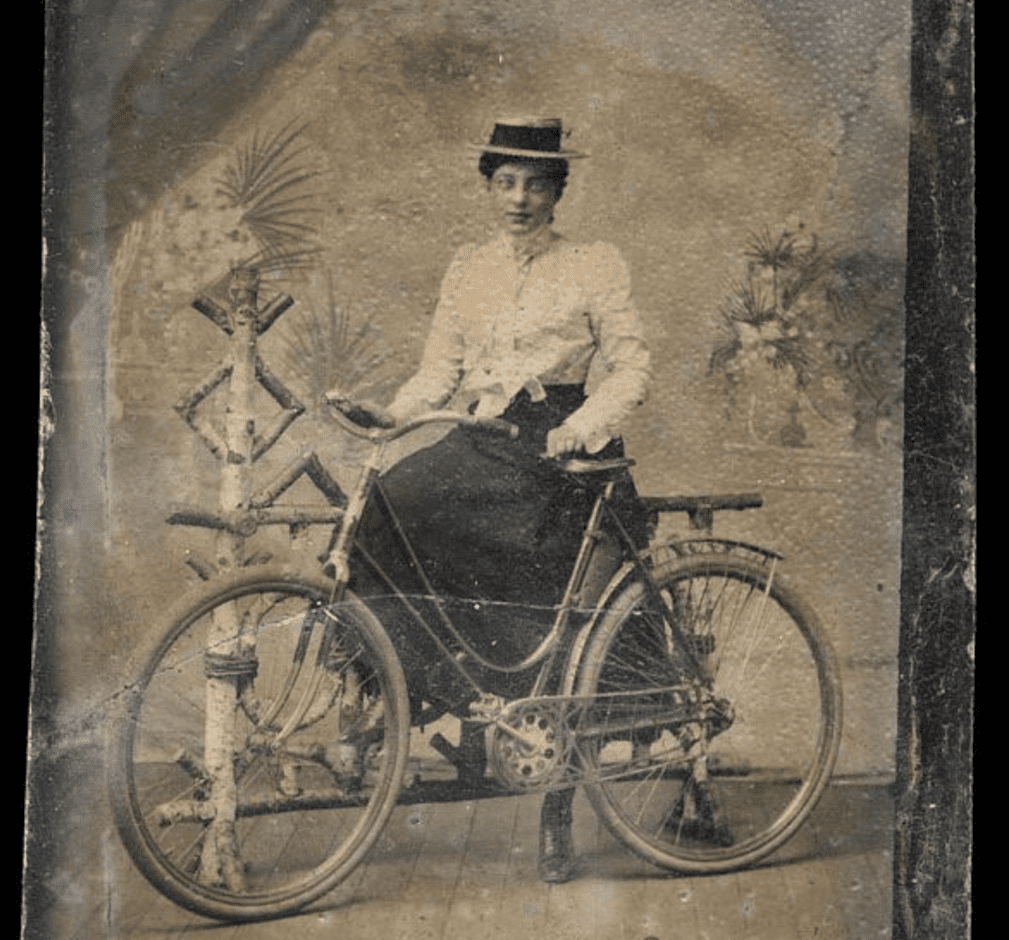
Another interesting page of history is the emancipation of women through the introduction of bicycles. The new mode of transport finally allowed women not to be tied to the home. They could now move freely and be more mobile than when their means of transport were limited to horse-drawn carriages.
Dress standards also changed, as women needed more comfortable clothes to ride bicycles. They got rid of burdensome big skirts and bulky underwear. Cycling demanded something much more ergonomic and modern. Bygone Victorian rules about women’s appearance and behaviour became outdated and it benefited women’s rights.
New realities gradually formed female identity and freedom. People even created special women’s corsets for cycling. The image of an ordinary Leeds resident gradually approached the modern one.
Cycling in Leeds
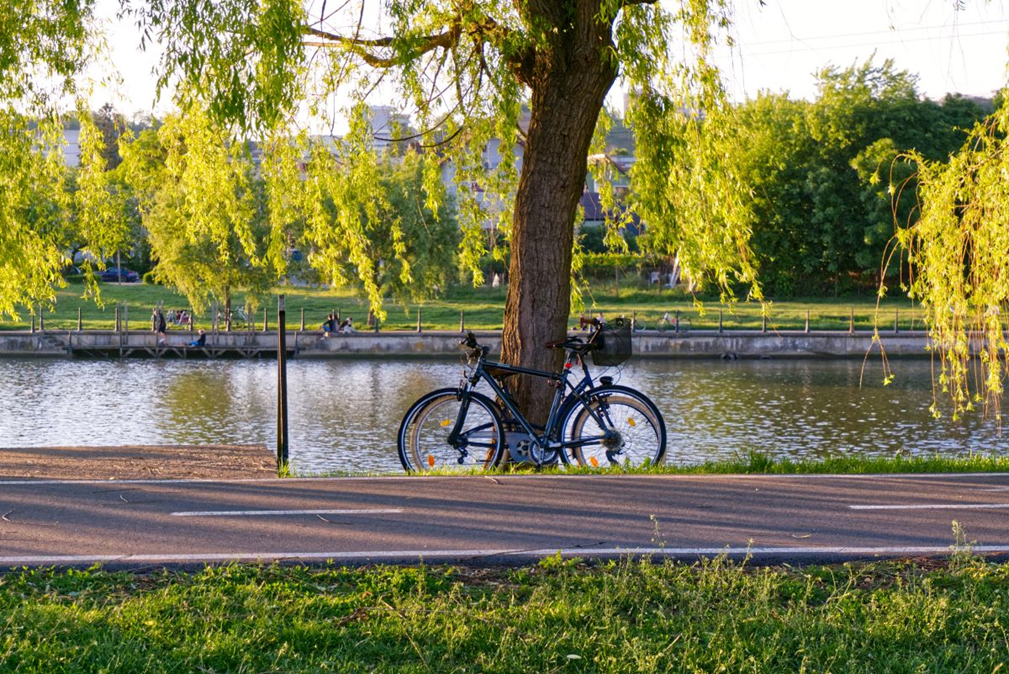
In the 20th and 21st centuries, Leeds acquired a whole culture of cycling. Local residents use this two-wheeled vehicle for recreation and work. Using a bicycle allows you to reduce harmful emissions into the atmosphere, so it has a positive effect on the environment.
This type of transport is cheap, fascinating, quite fast and, moreover, good for health. It explains the considerable popularity of cycling in Leeds. The city has hosted famous cycling events, the most notable of which were the 2014 Tour de France Grand Départ and the Tour de Yorkshire.
Leeds has a whole network of cycle routes between different districts and the city centre. Many roads in Leeds city centre and beyond have cycle lanes. These designated areas make cycling safe. Such lanes are usually marked with a bicycle symbol.
Residents and guests of the city should follow the established cycling rules:
- the cyclist must move on special lanes and paths
- you can’t ride through a red traffic light or ride on the pavement
- while riding, you must wear a helmet, as well as clothes with special reflective inserts
- during adverse weather conditions or at night, a cyclist should use a flashlight
- you must keep your two-wheeled vehicle clean and tidy, as well as repair it in a timely manner
- it’s recommended to attend special courses for cyclists to acquire the necessary skills.
Tourist cycling routes in Leeds
Leeds offers fascinating cycling routes for tourists. If you take them, you can have an active ride around the city, get acquainted with its famous historical sights and simply admire the urban beauty.
Some of them are
- the Aire Valley Towpath
- the Northern City Loop
- the trail outside the city limits.
The first option is a one-hour non-stop route. However, you will definitely want to take a break to enjoy the local scenery. The route runs from central Leeds to the west along the River Aire. Along the way, you will be surrounded by the industrial history of Leeds. You can visit the Leeds Industrial Museum at Armley Mills. The by-passing Salts Mill has been included in the UNESCO World Heritage List. Here, you can have a rest and a good meal and then go back the same way. If the lunch seemed too filling, there is an opportunity to return on the train.
The second route is a loop that covers the north of Leeds. It will take about 1,5 hours to ride along. It starts from the Town Hall, then the path stretches to the west along Kirkstall Abbey. You can stop there and visit the Abbey House Museum to learn more about the local history. Then the path passes by Leeds Beckett University and the Village Hotel Leeds North.
Heading east, you pass through Moortown, Tropical World and Leeds Zoo. Then you will come across picturesque gardens and Roundhay Castle. You can return to central Leeds by heading south.
The third route is a combination of Leeds’ history, city life and nature. The ride will take approximately two hours. The path starts from the Royal Armouries and runs along the River Aire southwards to Thwaite Watermill. It is one of the last remaining watermills in the UK and is a must-see spot for tourists. If you move along the river, you can switch to The Lines Way. This route is suitable for both pedestrians and cyclists. You can return to the city centre by taking the road to Hartford.
Electric bikes in Leeds
An electric bike rental scheme was launched in Leeds in the autumn of 2023. The local authority hoped that the availability of such vehicles would discourage Leeds residents from using cars. The City Council announced a tender for the conclusion of the corresponding contract in 2022. It was stated that the rental price won’t exceed the fares on public transport. A year later, the plan was implemented in practice.
The new electric bicycles immediately became in great demand among the city residents. During the first week of service operation, more than 1,200 people used it. They travelled a total of 375 kilometres and made more than 1,600 trips.