

Leeds is a modern and beautiful city with its own history. It’s hard to believe that once Leeds wasn’t an economic and financial centre but a small settlement. The residents of the city lived in derelict houses at that time. Due to dirt and unsanitary conditions, the city often suffered from epidemics and high mortality rates. In this article, we will tell you about the epidemics that spread through Leeds in the past and find out how they were overcome. Learn more at ileeds.info.
Prerequisites for the development of epidemics in Leeds
Before talking about the development of epidemics in Leeds, let’s define what epidemics are and how they spread. Epidemics are the mass spread of infectious diseases among the population in a certain area. As epidemics are of an infectious nature, they spread very quickly. Their “best friends” are unsanitary conditions, poor hygiene, contaminated water, etc.
At the beginning of the 19th century, Leeds was an attractive city for the poor population thanks to its numerous factories and plants. Gradually, it became a real industrial giant and began to attract not only the poor but also wealthy traders and merchants. However, the city began to be polluted by emissions from industrial enterprises. Wealthy residents gradually began to move from the centre of Leeds to the far outskirts. There, the rich built luxurious houses and arranged huge gardens.
Workers lived in buildings behind the houses on the main streets of the city. Let’s add that they were small and sometimes large families had to live in just two rooms. Those houses also had cellars, which were rented out as a one-room apartment. They had no windows. It should be noted that there was no water supply and sewage system. The outdoor toilets hadn’t been cleaned for several or even six months. There was a case when 340 people lived in 27 rooms, that is, 12 people per room. There were no toilets at all, so waste was collected in buckets and simply poured into the street.
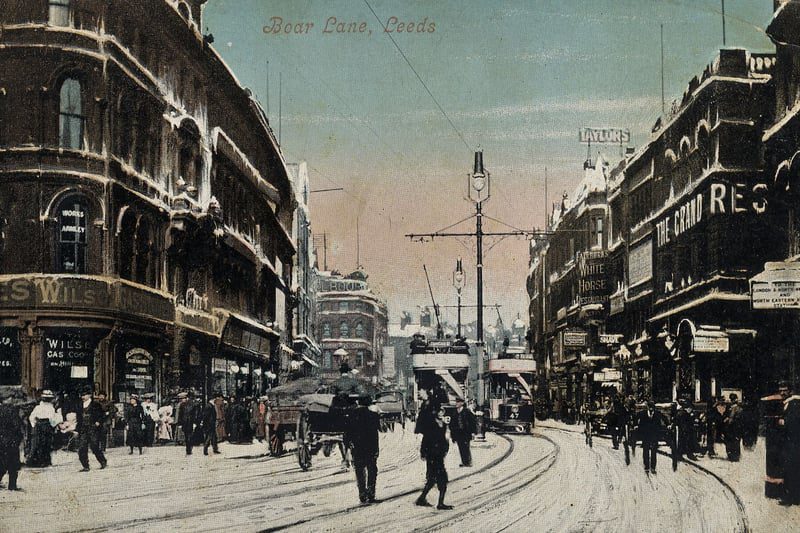
Epidemics developed due to unsanitary conditions
Obviously, such living conditions were unacceptable and caused epidemics of cholera, typhus and smallpox. A 1833 report to the Leeds Board of Health found that the poorest areas of the city were worst affected by cholera. In those days, Dr Robert Baker, a surgeon from Leeds, emphasised that poor living conditions were closely related to health and development of diseases.
Outbreaks of epidemics were systematic in the city. For example, cholera killed more than 700 people in 1832 and more than 2,000 people in 1849. We will remind you that the main symptoms of cholera are diarrhoea and vomiting. Accordingly, the patient could die in a few hours from dehydration. Given that Leeds was overpopulated, the disease spread through the city extremely quickly.
Only the passing of the Public Health Act of 1875 improved the epidemiological situation in Leeds. The Act allowed councils to demolish workers’ housing and build new ones with sewers. As a result, in a few years, Leeds had gas, water and electricity. In addition, the city acquired trams, parks and markets.
Cholera: causes, symptoms, diagnostics
Today, we know that the causative agent of cholera is the intestinal bacterium Vibrio cholerae. Usually, it enters the body with contaminated food or water. The disease causes such symptoms as
- headache
- fever
- diarrhoea
- dehydration
- vomiting
- constant thirst
- and decreased blood pressure.
It should be noted that cholera can also cause serious complications, including, convulsions, acute kidney failure, heart attack, lack of oxygen, pneumonia, impaired cerebral circulation, etc.
Cholera is currently treated with antibiotics and probiotics. It is also important to maintain water and salt balance.
Prevention of cholera is the observance of sanitary and hygienic measures
- Frequent hand washing. In general, a lot of diseases are caused by dirty hands. That is why you should often wash your hands with soap, especially after visiting the bathroom.
- Clean drinking water. Your health also depends on the quality of the water. It’s better to use bottled or boiled water, especially in areas with water problems.
- Quality food. We recommend eating well-fried meat, avoiding suspicious fast food points and minimising the consumption of sushi and raw fish.
- Store food properly. Use the refrigerator to store meat, fish, vegetables and fruit.
- Avoid places where cholera outbreaks have been recorded.
We hope our educational article was interesting and you learned a lot of new information about Leeds.
Do you follow hand hygiene? Have you encountered serious infectious diseases in your life? We are waiting for your comments on our social networks. Your opinion is important to us.