
Leeds has been home to many talented and famous personalities who have made a significant contribution to the development of the region. In this article, we will tell you about the famous surgeon Robert Baker, who fought poverty and improved living conditions in Leeds. At the beginning of the 19th century, the city suffered from epidemics and numerous infectious diseases. Robert Baker emphasised that the poor living conditions of the population are closely related to the spread of epidemics. Learn more about his life and activities at ileeds.info.
What is known about Robert Baker?
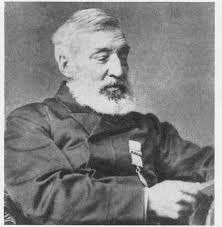
A young surgeon, Robert Baker, came to Leeds in 1824. The purpose of his visit was to take care of the medical needs of the city’s poor population. Robert was born in the neighbouring city of York. His father was a pharmacist, so the young man decided to connect his life with medicine. When Robert was 14 he was apprenticed to a surgeon in Hull and then studied at London’s Guy’s Hospital. Baker qualified at the age of 20.
Doctor’s impressions of Leeds
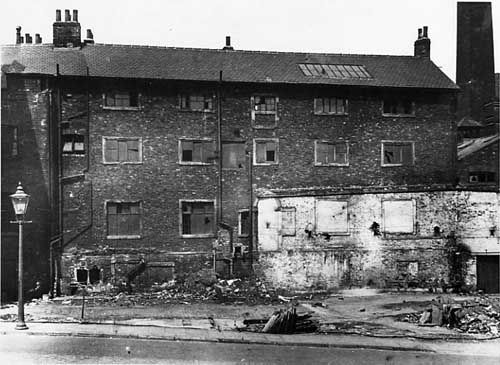
So, the young surgeon came to Leeds. It should be noted that the city began to develop rapidly at the beginning of the 19th century, so many people came here in search of income. Leeds was overpopulated, therefore, the city built special housing for workers. Those houses were small with more than 10 people living in one room, without toilets and sewage. There were outdoor toilets that hadn’t been cleaned for six months. Sometimes, the waste was simply dumped on the streets of Leeds. Can you imagine what the stench was in the summer?
Robert Baker was frankly shocked by what he saw in the city. The living conditions of the poor population were awful. The young and ambitious doctor didn’t remain silent. He criticised the medical services and demanded improvements. In addition, in those days, people distrusted doctors, so the surgeon had to convince the population that he wanted to help them.
Robert Baker and his influence on life in Leeds
During a cholera outbreak, Robert monitored the development and course of the disease. He spent a lot of time analysing information and making notes. In 1833, with the cholera epidemic over, Robert Baker presented a report to the Leeds Board of Health. It was very detailed and contained statistical data, dirty areas, overpopulated places, etc. Robert insisted that the local authorities take some action to improve the sanitary conditions of life in Leeds. Thus, the city created a statistical committee to study the problem.
By the way, the young surgeon fell ill with cholera during the epidemic too. Fortunately, he recovered. He was troubled by the fact that cholera negatively affects the health of children, making them crippled. That is why Robert took a new position in 1833. He became the superintendent of the factory and began working with children. According to the law, children over nine years of age could work in the mills, provided they passed a medical examination. Therefore, Baker did everything he could to ensure that the mill owners complied with the requirements.
The doctor continued to fight for better living conditions in Leeds and demanded improved sewage, street paving, lighting and availability of freshwater. However, unfortunately, the authorities didn’t want to change anything. After all, merchants and wealthy people left the centre of Leeds a long time ago. The rich built luxurious houses outside the city and arranged exquisite gardens and surrounding areas.
The doctor was forced to publish new reports on the state of the city in 1839 and 1842. They were shocking because Robert Baker demonstrated the terrible living conditions of the workers. For example, 452 people used two doorless privies, while others lived in windowless basements with pigs. It was Baker’s reports that prompted the passage of the Leeds Improvement Act.
Leeds’ back-to-backs
Overpopulation and unwillingness to build residential buildings according to standards caused terrible living conditions and later the development of epidemics. By 1800, the population of Leeds was about 30,000 people. Later, this figure tripled and the number of appropriate housing was insufficient. So, it was proposed to build back-to-back houses, which would save money on the construction of roads or drainage.
In the 18th and 19th centuries, the rich built many mills and mines. Accordingly, they needed a lot of workers to work there. As already written above, the poor population came to Leeds in search of money and a better life. Therefore, the city randomly built the cottages as housing for workers. There was often no place for toilets, so people used public ones.
The Leeds Improvement Act was passed in 1866. It introduced regulations for housing, such as enclosed yards and wider streets. Then the Health Department tried to cancel the construction of back-to-back houses, but the population was growing and people needed accommodation. Later, the Public Health Act was passed in 1975. It led to significant changes in housing design, including a kitchen in the basement or on the first floor, a small garden and a private toilet for each household.
This is the story of the life and activities of Robert Baker, who managed to improve the living conditions of the poor population in Leeds.