

Childbirth has always been a challenging and exhausting process for women, fraught with risks before the advent of qualified medical care. However, even in those times, people relied on midwives and rudimentary remedies to ease the process and ensure safety. Maternal and infant mortality rates were alarmingly high, but over time, doctors learned to minimize complications and fatal outcomes. Next on ileeds.
Leeds has long been committed to providing its residents with quality healthcare. A maternity hospital opened on Caledonian Road in 1905, as noted on Wyascatablogue.wordpress.com. The hospital on Hyde Terrace opened in 1908 and gradually expanded with the acquisition of neighboring buildings. Archival records include baptism records from 1926–1943, minutes from house committee meetings between 1948–1974, and birth registers from 1950–1981.
Assistance for Mothers in the 15th–19th Centuries
During the Tudor era (15th–17th centuries), women were isolated in a separate room weeks before and after giving birth. Before delivery, expectant mothers visited a church to receive blessings from a priest. Men were not allowed to see pregnant women during this period, and the room was shuttered to create an atmosphere resembling the calm and darkness of the womb. Midwives assisted in the delivery and read prayers to protect the mother from danger.
Forceps, invented in the 18th century, were used to extract the baby during complicated deliveries. Gradually, doctors developed new tools and progressive methods to ease the process. Pain relief during childbirth became available, with medications like chloroform being used, notably requested by Queen Victoria during her labor in the 19th century.
The idea of relieving pain during childbirth was initially met with resistance. It was believed that labor pain was a divine punishment for Eve’s original sin. However, as society evolved, these prejudices faded. Advances in hygiene and antiseptic practices in the 19th century also significantly reduced mortality from surgical interventions, including cesarean sections, saving both mothers and babies.

Midwives and Folk Medicine
In ancient times, women could only rely on folk medicine and the limited medical knowledge available. Midwifery skills were passed down through generations. Beyond assisting during delivery, midwives were also responsible for recording the time and date of birth.
Midwives knew how to prepare the birthing room, position the mother for an easier delivery, and manually correct fetal positions if needed. After the baby was born, midwives often stayed to help with breastfeeding.
Certain superstitions persisted; for example, pregnant women were discouraged from having negative thoughts to avoid harming the baby. Midwives were sometimes accused of witchcraft if a birth ended in tragedy. Pregnant women often drafted wills due to the high risks associated with childbirth. Common causes of death included infections, hemorrhages, lack of medical knowledge, and errors during delivery.

The Evolution of Midwifery in the 20th Century
By the 1950s, around 88% of births occurred in hospitals under medical supervision. Doctors and nurses provided professional care, and specialized facilities were established for childbirth. During this time, women began giving birth lying horizontally on a table rather than in a vertical position, as had been common earlier.
However, home births did not disappear entirely. By the 1970s, there was a renewed trend of women choosing to deliver at home, despite the risks. This period also saw the rise of doulas—non-professional childbirth assistants providing emotional support.
One notable figure in Leeds midwifery was Gloria Hanley, an Afro-Caribbean nurse who arrived in the UK in the 1970s. She worked at the Hyde Terrace hospital, overcoming racial prejudice to provide care to mothers and their babies. Hanley’s midwifery bag, containing essentials like a fetal stethoscope, infant resuscitator, and scales, was displayed as an exhibit at Leeds City Museum in 2019.
Modern Midwifery in Leeds
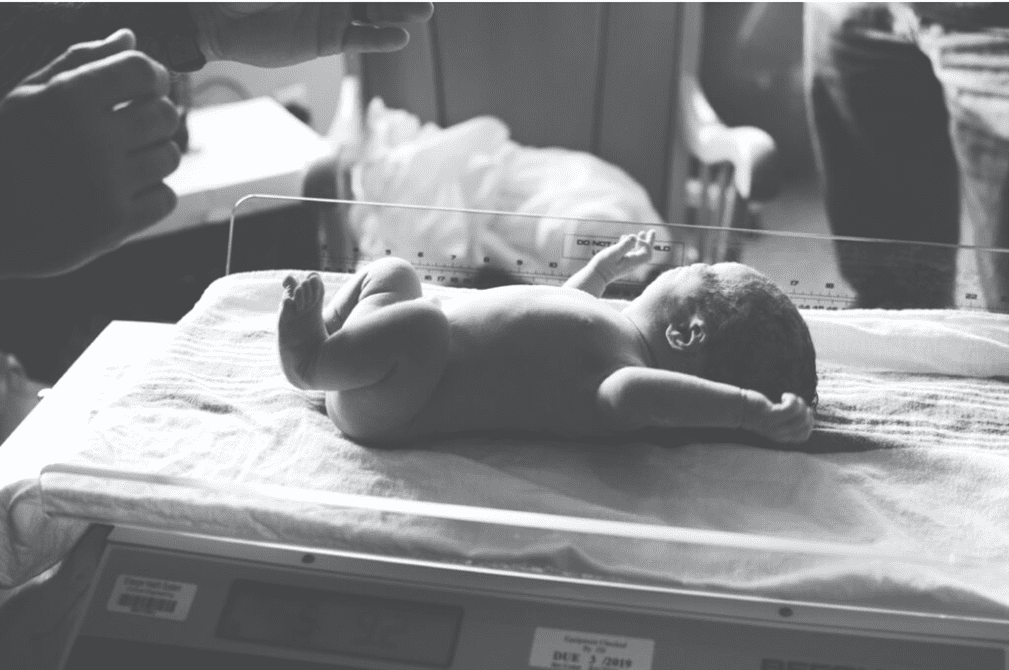
Today, women in Leeds can choose between three options for childbirth:
- At home
- In a birthing center
- In a hospital maternity ward
Most deliveries in Leeds occur at Leeds General Infirmary and St. James’s University Hospital. Women carefully weigh the pros and cons of each option. Those with no health issues and prior childbirth experience often choose home births. High-risk pregnancies or first-time mothers usually opt for hospital care. If complications arise during home births, women can quickly access hospital services. Water births are also popular, as the aquatic environment is considered calming and natural for the baby.
Modern medicine offers advanced methods and technologies to monitor fetal health and address issues proactively. Tools like cardiomonitors and ultrasounds are standard, and pregnant women take prenatal vitamins to support their health and that of their baby. These innovations have made childbirth significantly safer, drastically reducing maternal and infant mortality rates.
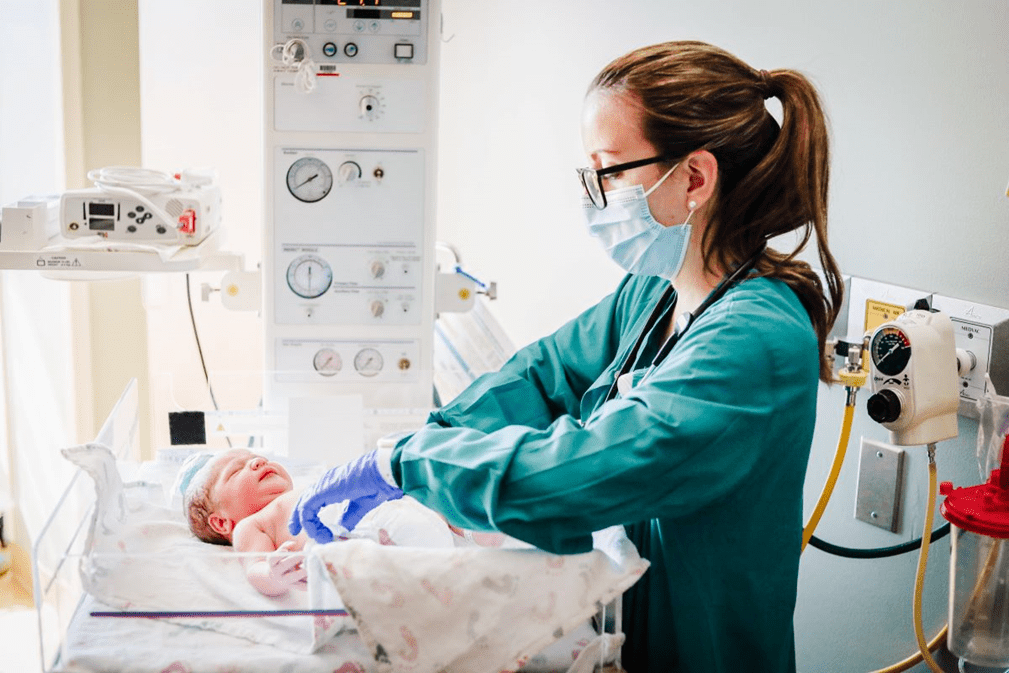
Midwifery remains a cornerstone of professional healthcare, reflecting a society’s progress, civilization, and knowledge. Historically, childbirth presented immense challenges and dangers for women. Yet the development of midwifery, along with skilled care during pregnancy and improved maternity services, has minimized these risks. These advancements have contributed to population growth, increased life expectancy, and decreased mortality rates for mothers and newborns.