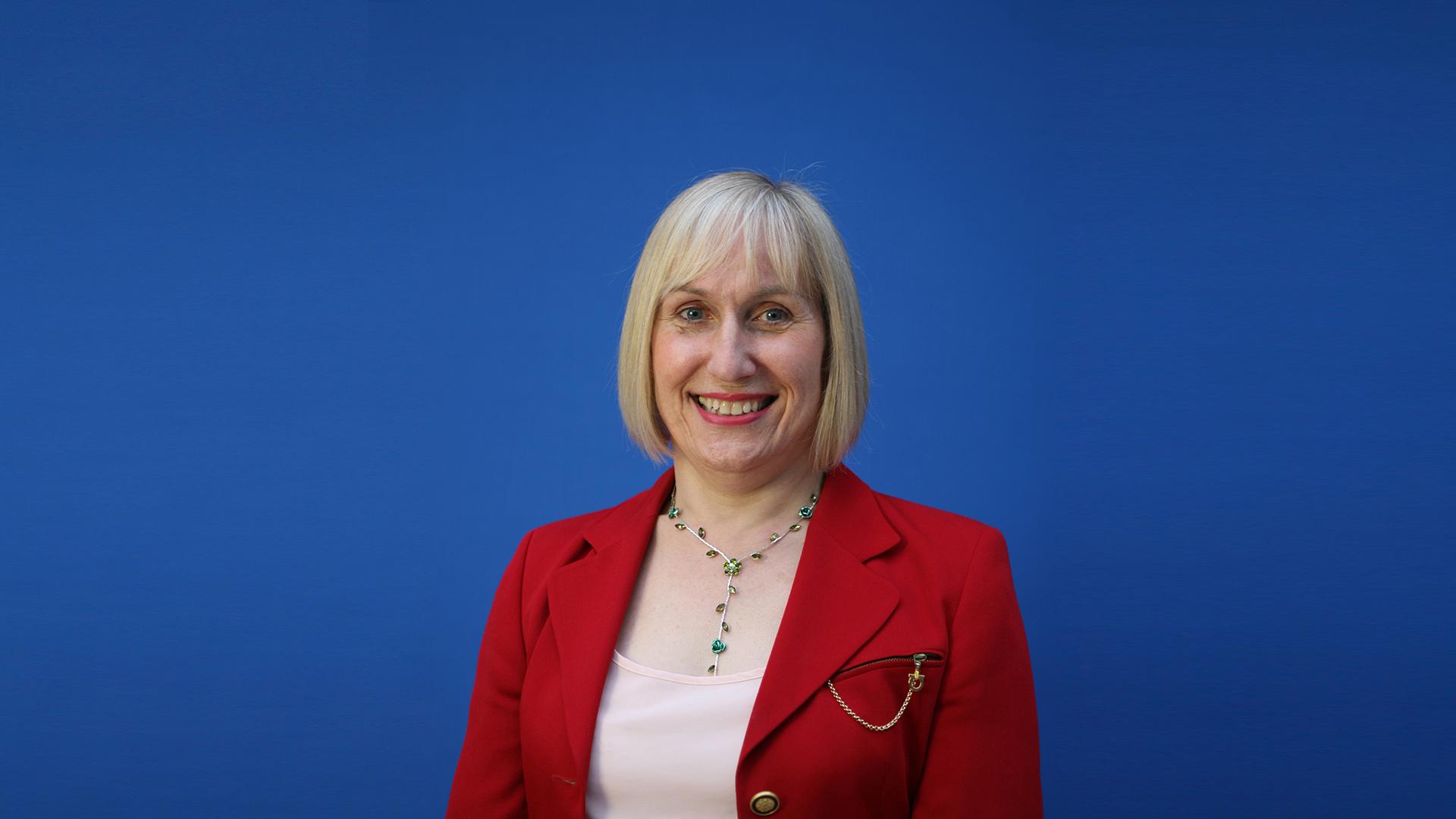

We live in an information-driven society where scientific advancements play a pivotal role. Each day brings groundbreaking discoveries across various fields, enriching our understanding of the world. Many nations strive to support scientists and researchers, recognising that they shape the future. Today, we spotlight Sophie Wilson, a distinguished computer scientist and co-developer of the ARM architecture instruction set. More on ileeds.info.
Early Life and Education
Sophie Wilson was born in 1957 in Leeds, growing up in a family of teachers. Both her mother and father worked as educators. In 1976, she enrolled at Selwyn College, Cambridge. Initially studying mathematics, Sophie later shifted her focus to computer science. During her university years, she was an active member of the University Microprocessor Society.
It was during her student years that Wilson designed her first microcomputer, a clear indication of her lifelong passion for technology.
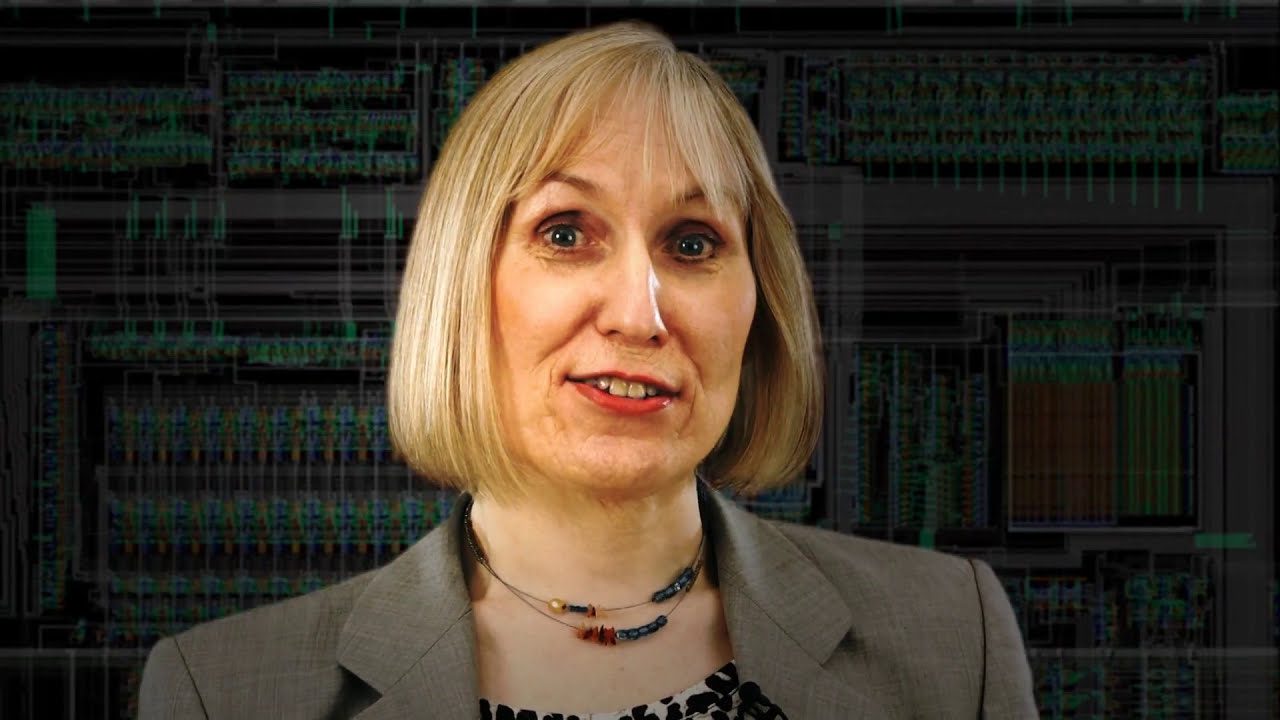
Career Development
From a young age, Sophie Wilson displayed a natural aptitude for technology. Even before entering university, she developed two electronic systems for ICI Fibres Research. While studying, Wilson built a MOS Technology 6502-based system for an automated cow feeder, which caught the attention of Hermann Hauser, a Cambridge researcher who supported her work.
Wilson subsequently joined Cambridge Processor Unit Ltd (CPU). During this period, she was tasked with creating her own operating system and developing the widely acclaimed BBC BASIC programming language.
In 1983, Sophie Wilson designed the instruction set for one of the world’s first Reduced Instruction Set Computer (RISC) processors. This foundational innovation laid the groundwork for the ARM architecture, now a global standard in computing technology. Wilson’s contributions also included projects like Acorn Replay, enhancing multimedia capabilities.
Over the years, Wilson’s career flourished as she spearheaded numerous pioneering projects. In 2011, she was recognised among the “15 Most Important Women in Tech History” by Maximum PC.
Sophie Wilson’s groundbreaking work has earned her numerous accolades, including:
- The Fellow Award from the Computer History Museum in California.
- The Lovie Lifetime Achievement Award for the development of the ARM processor.
- Membership in prestigious institutions, including the Royal Academy of Engineering and the Royal Society.
- An Honorary Fellowship at Selwyn College, Cambridge.
- Recognition as an Honorary Fellow of the British Computer Society.
- In 2019, she was appointed Commander of the Order of the British Empire (CBE) for her outstanding contributions to computing.
Gender Transition and Personal Life
In addition to her professional achievements, Sophie Wilson’s personal journey has also garnered attention. In 1994, Wilson underwent gender reassignment surgery, transitioning from male to female. Despite her prominence in the tech world, Sophie keeps her personal life private. However, it is known that she enjoys acting and participates in a local theatre group.
To provide context, the world’s first publicly known gender reassignment surgery occurred in 1952, when George Jorgensen from New York transitioned to Christine Jorgensen. This groundbreaking procedure, performed by Dr. Christian Hamburger, paved the way for greater acceptance and understanding of gender identity. Christine Jorgensen’s story was met with widespread media attention, and her family’s support helped her pursue a successful career in Hollywood.
Sophie Wilson’s life and achievements stand as a testament to innovation, resilience, and perseverance. Her contributions to computer science, particularly the ARM architecture, revolutionised modern technology, shaping everything from smartphones to computers.
We hope this article provided valuable insights into the life of this remarkable figure from Leeds.