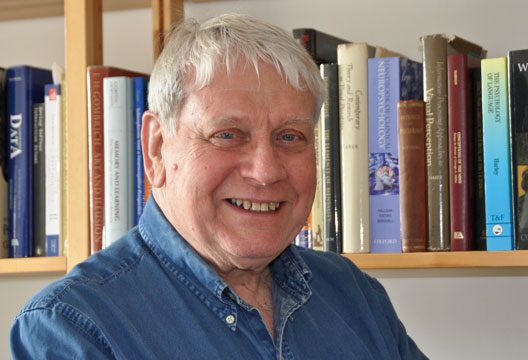

Psychology is a science that explores the depths of the human mind. Psychologists reveal the intricacies of thoughts, behaviours, and patterns, helping individuals better understand themselves and overcome symptoms of anxiety and depression. In modern society, psychologists play an increasingly essential role as more people seek their expertise. Today, we explore the life and achievements of Alan Baddeley, a prominent British psychologist, developer of the three-component working memory model, and Professor of Psychology at the University of York. Read more about Professor Baddeley on ileeds.info.
Early Life and Education
Alan Baddeley was born in Leeds in 1934. Leaving his hometown, he pursued his education at University College London, where he first chose to study psychology. His academic journey continued at Princeton University, where he earned a master’s degree in psychology, followed by a PhD at Cambridge University.
Throughout his career, Baddeley received numerous honorary recognitions:
- In 1999, he was awarded an honorary doctorate from the University of Essex.
- In 2000, he received the same honour from the University of Plymouth.
- In 2019, he was granted an honorary doctorate from the University of Bristol.
During his time at Cambridge, Baddeley met Hilary Ann White, whom he later married. Together, they had two sons.
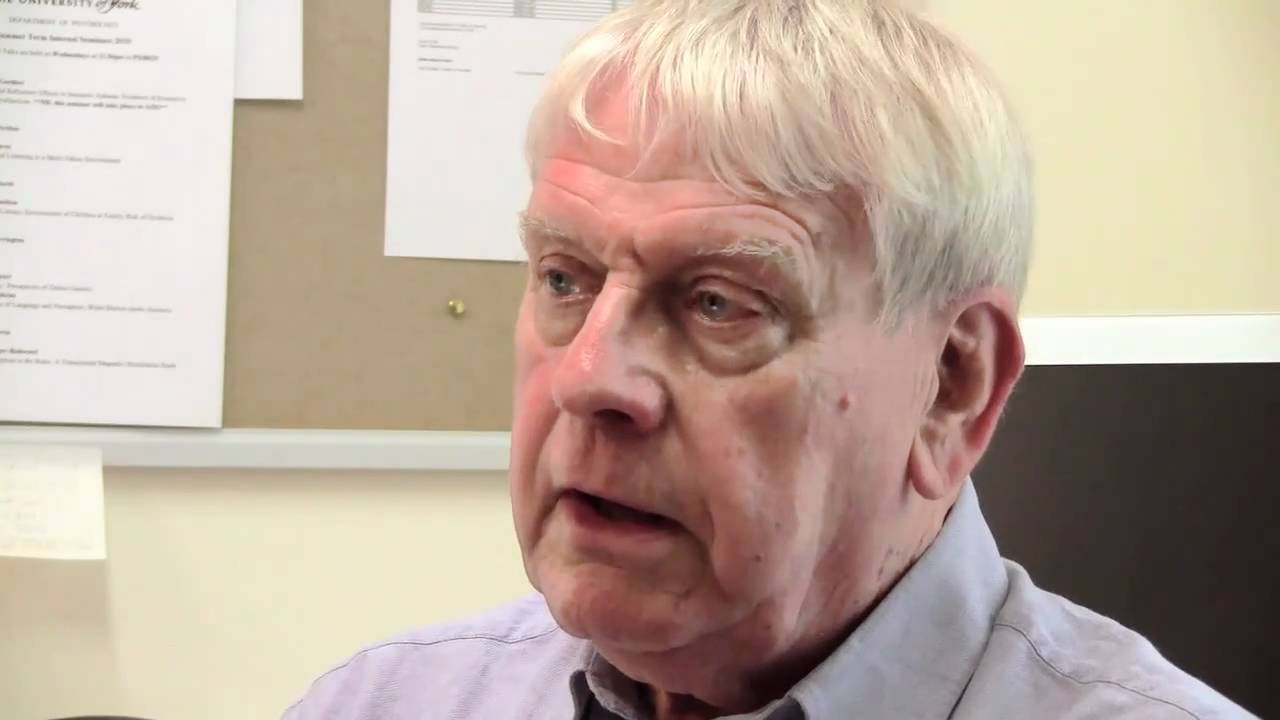
Career and Research Contributions
Alan Baddeley is best known for his groundbreaking work in working memory. In 1974, he developed the influential working memory model, which introduced the concept of multiple short-term memory stores alongside a system that manages their content. According to Baddeley’s model, working memory consists of three components, with a fourth component added in 2000. His research revealed that people tend to remember short words in texts better than long words.
Baddeley also collaborated with Barbara Wilson on studies involving amnesia and memory, leading to the conclusion that short-term and long-term memory function as separate systems. Patients with amnesia often exhibited normal short-term memory but struggled significantly with long-term memory.
Another notable area of Baddeley’s research explored the impact of water depth and pressure on a diver’s dexterity. He also investigated the effects of temperature and memory performance on land versus underwater conditions.
From 1974 to 1997, Alan Baddeley served as the Head of the Cognition and Brain Sciences Unit at the UK’s Medical Research Council branch in Cambridge. In 1993, he was elected a Fellow of the Royal Society, and three years later, he became an Honorary Foreign Member of the American Academy of Arts and Sciences.
Baddeley has received numerous accolades, including:
- The Lifetime Achievement Award from the British Psychological Society.
- The Distinguished Contribution to Psychological Science Award from the International Union of Psychological Science.
Additionally, he was one of the founding members of the European Society for Cognitive Psychology.
Fascinating Facts About Human Memory
Alan Baddeley devoted much of his career to studying human memory, and his work has shed light on its extraordinary capabilities. Here are some fascinating facts about memory:
- The brain’s storage capacity is immense—scientists equate it to approximately 400 iPhones with 256GB each, continually updating with new information every day.
- Childhood memory fades early: At ages 5–7, children remember about 60% of events, but by ages 8–9, this figure drops to 40%.
- Doorways help us forget: Walking through a doorway signals to the brain that an event has ended, making us more likely to forget what we were doing.
- We struggle to remember sounds: Visual memory is far superior to auditory memory.
- Face recognition declines after 30, while name recall weakens as early as the mid-20s.
- Closing your eyes improves recall: Blocking visual distractions enhances the brain’s ability to retrieve information.
- Lies are remembered better than truths, making experienced liars particularly effective.
- Meditation enhances memory: Studies show that regular meditation significantly improves recall.
- Left-handed people have better memory due to the more developed corpus callosum connecting their brain hemispheres.
- We remember positive events better: The brain tends to suppress negative experiences, prioritising happy memories.
Alan David Baddeley’s contributions to psychology, particularly his working memory model, revolutionised our understanding of human memory and cognition. His extensive research and groundbreaking discoveries continue to influence modern psychology and cognitive science. We hope this article provided valuable insights into the life and achievements of this remarkable psychologist from Leeds.