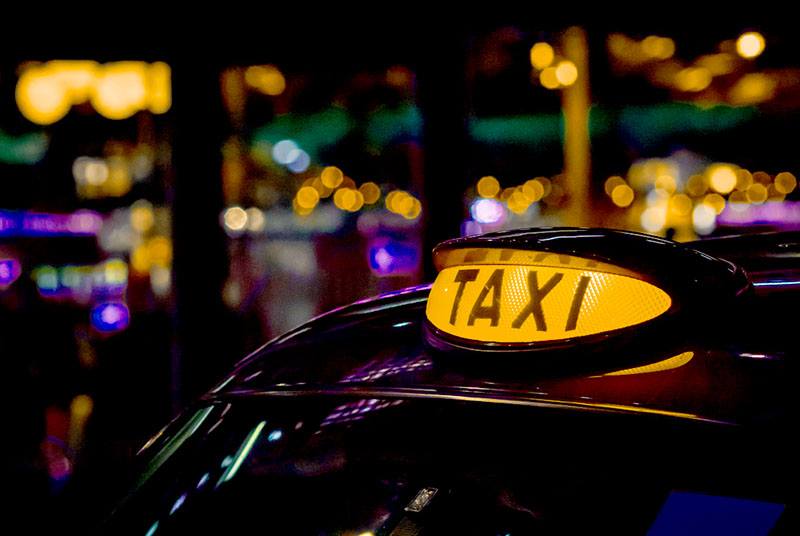

Taxis are a familiar mode of transport for city dwellers — an alternative to traditional public transport that’s widely used by locals. While Leeds is often described as a city of bicycles (and rightly so), it is also home to a thriving taxi service sector. Today, we delve into the history and evolution of this essential urban transport. Read more about it on ileeds.info.
From Horse-Drawn Carriages to Comfortable Cars
The first taxis in England appeared as early as the 17th century, although back then, they were horse-drawn carriages. Only licensed coachmen were allowed to operate these services. Even in those early days, taxis played an important role in transporting residents and visitors — including in Leeds, which was quickly developing as a major trade and transport hub in Northern England.
It’s worth noting that Leeds gained market town status in the early 13th century and later became one of the key centres of the Industrial Revolution. During this time, the city’s population began to grow rapidly, reaching around 150,000 by the mid-19th century. With Leeds transforming into a significant railway junction and transport hub, the demand for fast and reliable urban transport increased — and taxis helped meet this need.
As you might expect, horse-drawn carriages were the original form of taxi in Leeds, mirroring national trends. But by the 19th century, motor vehicles began to emerge and were gradually adopted as taxis.
Taxi Services in the 21st Century
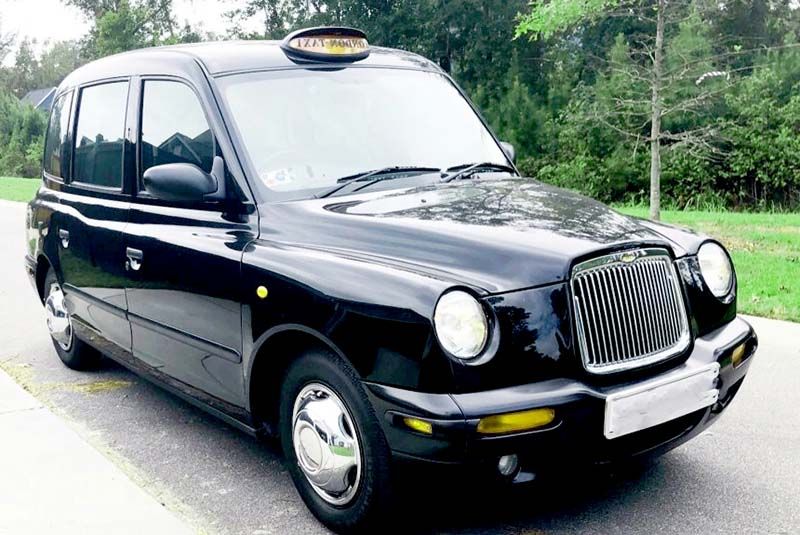
England became known for its iconic black cabs — specially designed vehicles that quickly became a symbol of British taxi culture. Leeds embraced this tradition too, introducing these taxis to improve urban mobility with greater comfort and efficiency.
Naturally, the popularity of taxis continued to grow over time. In the 20th century, new technologies for booking and payment were introduced. And with the rise of mobile apps in the 21st century, using a taxi has become more convenient and accessible than ever.
Leeds Taxis is one of the city’s leading taxi providers, operating 24/7, 365 days a year. As one of the largest and oldest taxi companies in Leeds, it offers a wide range of vehicles, including luxury options. The company also specialises in airport transfers with “Meet and Greet” services.
You can also book a ride with Amber Cars, the city’s largest private operator, with over 1,200 drivers and more than 4.5 million passengers served annually.
Another major player is Veezu, which provides a large fleet and offers services for airport transfers and corporate clients.
The online platform Minicabit operates not only in Leeds but throughout the UK. This service enables users to search for and book taxis at competitive prices by comparing quotes from over 1,000 taxi providers. Customers can choose their destination, travel time, and preferred vehicle type. Minicabit has served more than 2 million passengers and works with taxi operators in over 550 UK towns and cities. Impressively, it covers 99% of UK railway stations and 95% of major airports.
Of course, global ride-hailing giants Uber and Bolt also operate in Leeds, offering convenient in-app booking, cashless payments, and a variety of fare options.
So, how often do you take a taxi in Leeds? Let us know in the comments on our social media pages!