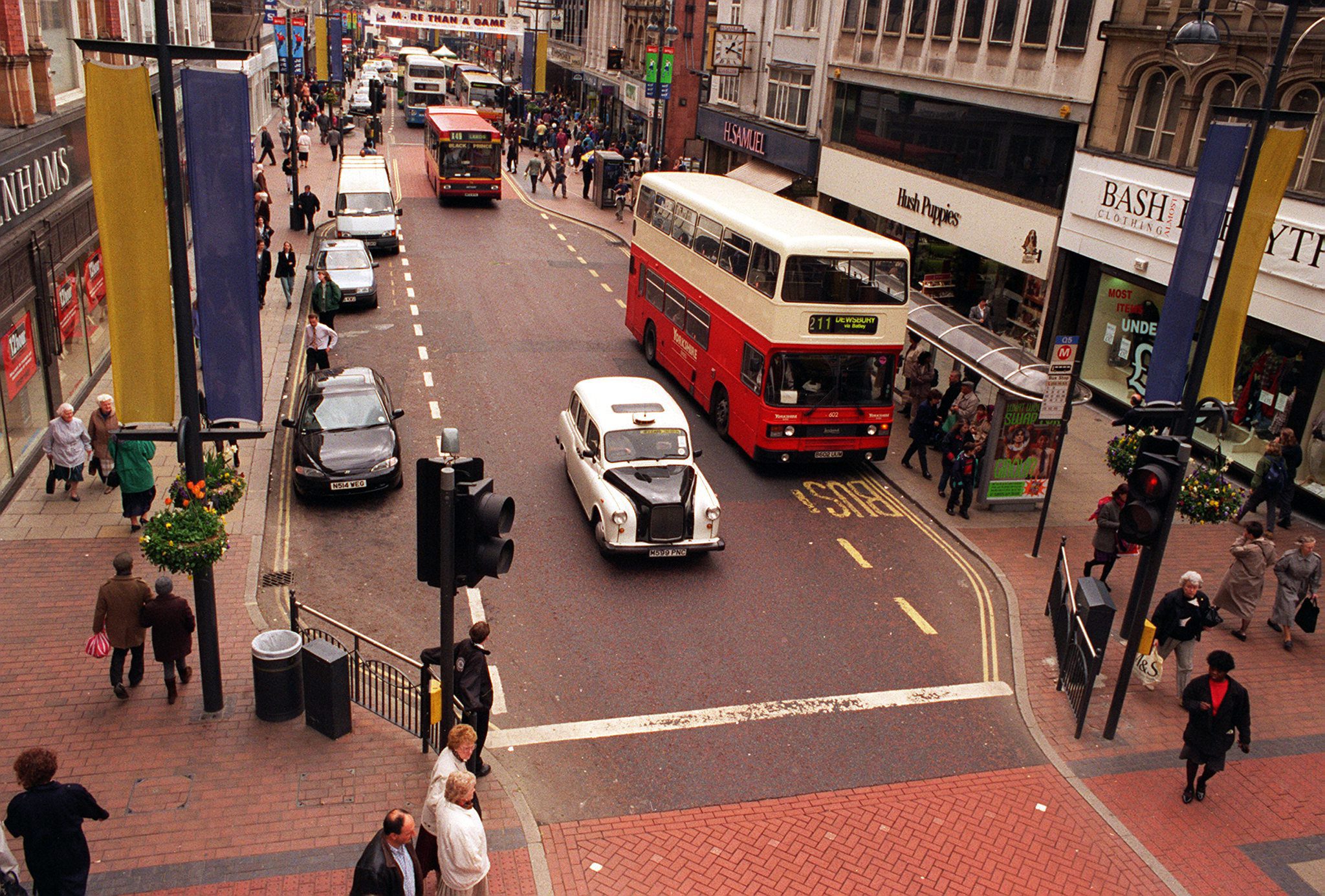

Leeds is a unique city, renowned for its architecture and incredible atmosphere. However, it hasn’t always been the Leeds we know today. The 1990s, for example, marked a period of significant change and transformation across many areas of life. During this time, the city transitioned from a traditional industrial economy to one based on services and commerce. That’s why today we’ve decided to take a look back at Leeds in the 1990s. You can read more about it on ileeds.info.
Highlights of the 1990s
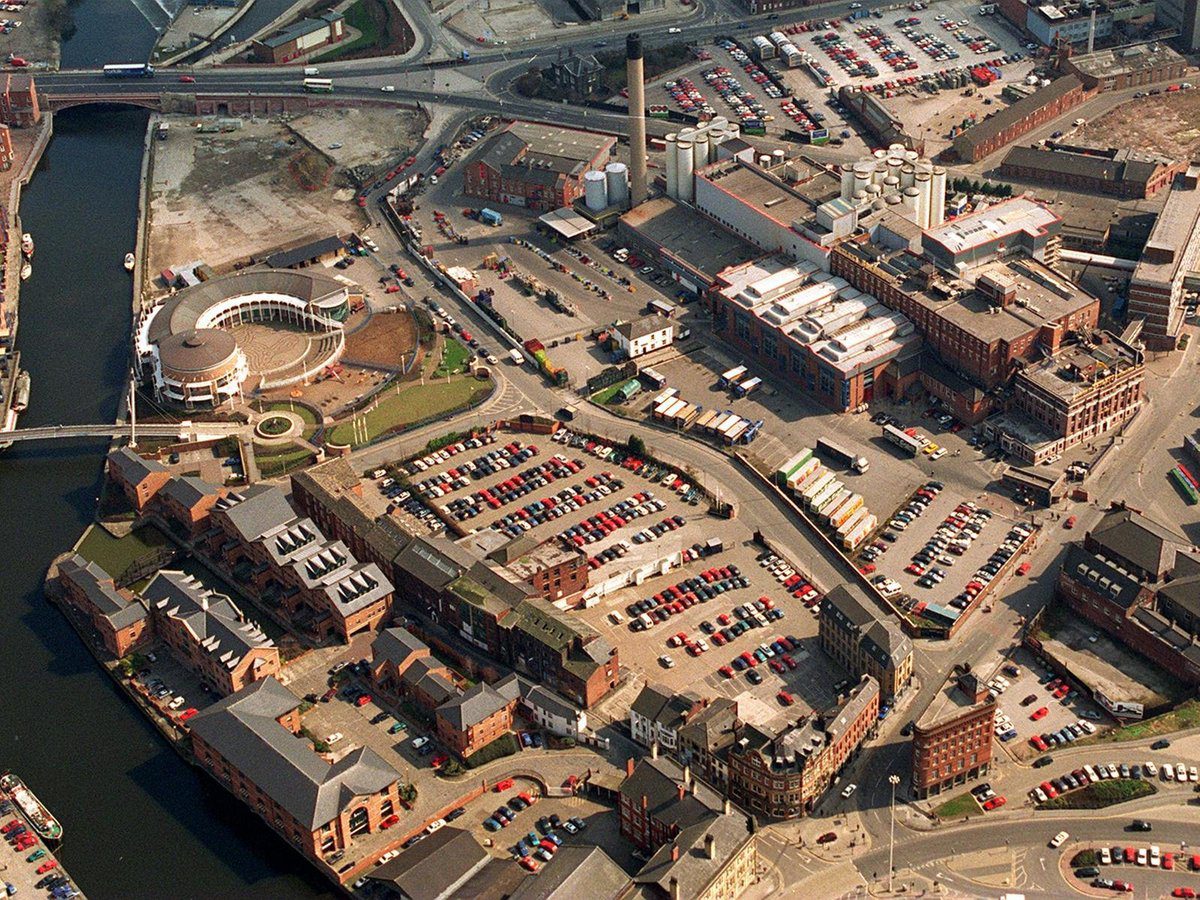
In the 1990s, the population of Leeds reached approximately 715,000. The city was characterised by high population density and notable ethnic diversity, which had an impact on both the social life and the economy of the city.
One of the most memorable events of the 1990s was the success of Leeds United Football Club. In the 1991/92 season, the team became the last champions of the English First Division before the Premier League era began. The club actively recruited talent from around the world and consistently achieved strong results throughout the decade, regularly finishing in the top half of the table and competing in European tournaments. These sporting achievements enhanced the city’s prestige both nationally and internationally.
However, this period was also one of adjustment. After the decline of the 1980s, linked to deindustrialisation, Leeds gradually shifted its focus towards the service sector, finance, and education. The growth of retail and commercial real estate contributed to the creation of new jobs in banking, retail, and hospitality.
Cultural Development of the City
Culturally, Leeds developed as an important centre for the arts, education, and music. The city’s universities, museums, and theatres were all active, attracting young people and creative groups. Leeds’ music scene in particular gained popularity, supported by festivals that highlighted the city’s multicultural character. Major cultural events in Leeds during the 1990s included:
- The opening of the Royal Armouries Museum. In 1996, the national collection of arms and armour was opened in Leeds, becoming an important cultural and tourist attraction.
- The development of art galleries. During this period, Leeds Art Gallery actively supported exhibitions of both traditional and contemporary art.
- The city’s theatre and music scene. The Grand Theatre was home to Opera North, the only national opera company outside London. Leeds Playhouse and various dance groups also promoted modern theatrical and dance practices.
Leeds also became known for its rich musical heritage, with bands emerging from the city that gained recognition across the UK and beyond. Leeds College of Music and the Northern School of Contemporary Dance played a key role in training performers and supporting the cultural life of the city.
As you can see, the 1990s in Leeds — as in many other British cities — marked a period of transformation in terms of urban economy and social structure within the context of post-industrial modernisation. The main directions of city development during this time included the restructuring of the industrial base, growth of the service sector, improvement of housing conditions, and implementation of social programmes to address unemployment and social inequality.
Alongside economic changes, Leeds’ cultural life also evolved. This decade laid the foundation for the city’s future as a dynamic and multifaceted urban centre in the north of England.
We hope you found this article informative and learned something new about your hometown.