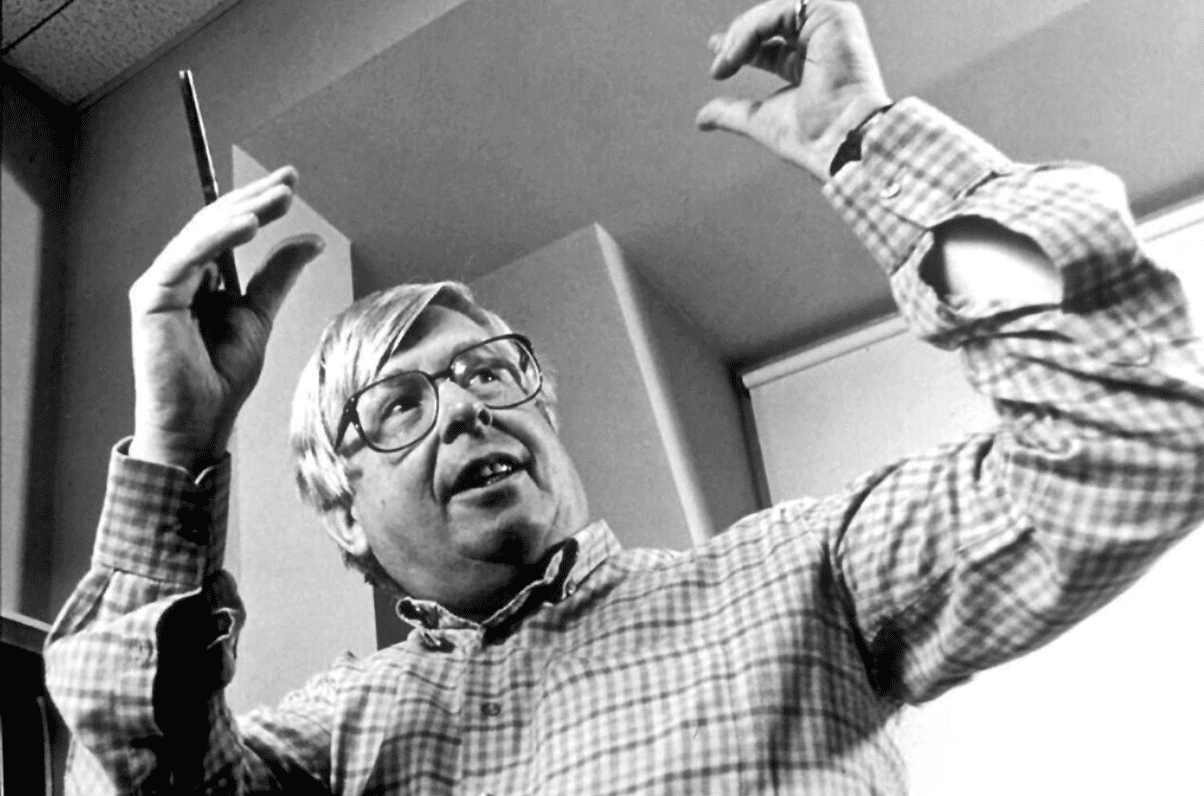

“A world that considers art and engineering as separate fails to see the world as a whole.” – Sir Edmund Happold
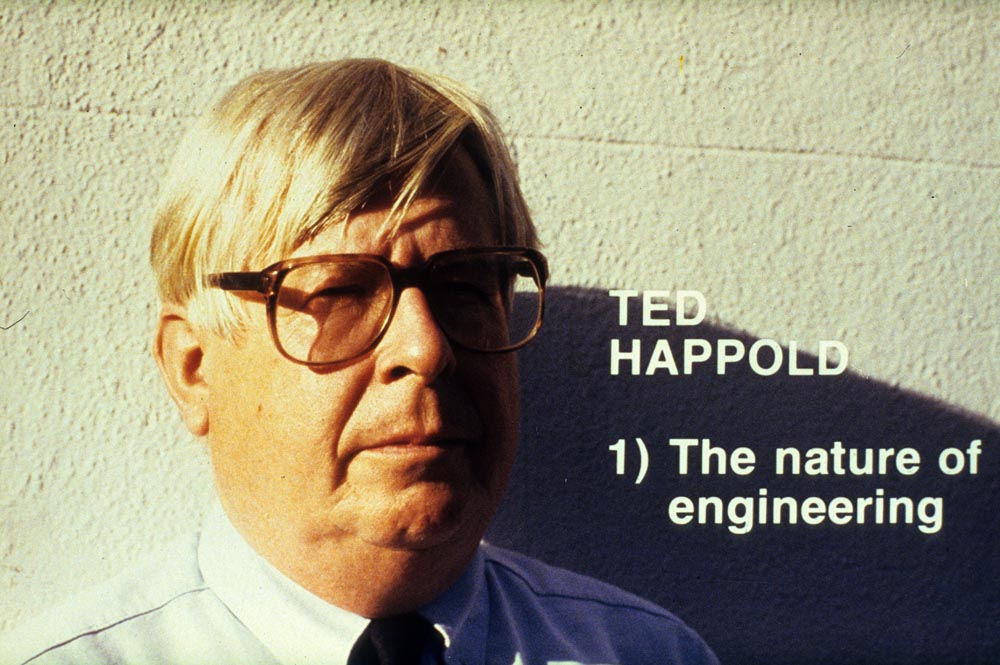
Entrepreneur, teacher, and above all, an engineering genius – these are the qualities that defined Sir Edmund Happold. Few people know that he was one of the greatest structural engineers of the 21st century. Thanks to his exceptional ability to combine engineering principles with architectural aesthetics, Happold’s work shaped iconic structures worldwide. He contributed to remarkable buildings such as the Sydney Opera House and The Centre Pompidou in Paris, along with many other significant landmarks globally. More on ileeds.
Sir Edmund Happold’s innovative approach to structural design revolutionised engineering and left an indelible mark on architecture. In this article, we will delve deeper into the unique personality of Sir Edmund Happold, his life, achievements, and priceless legacy.
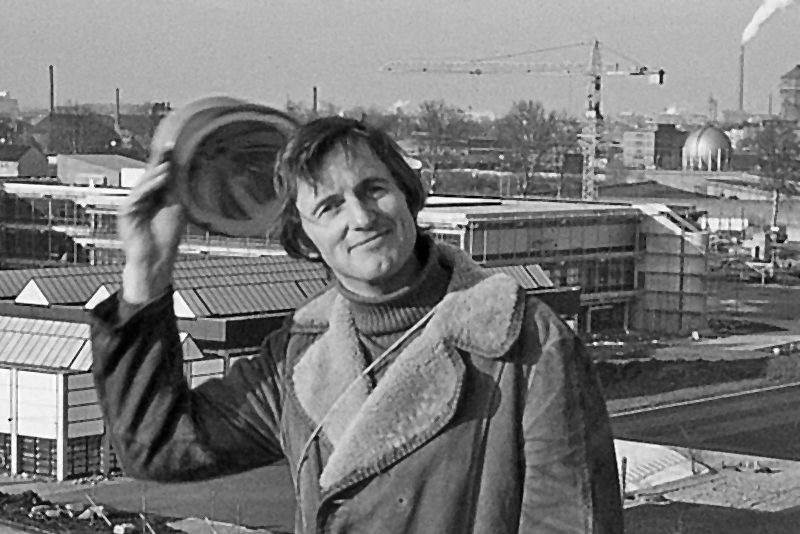
Family, Childhood, Education, and Early Interests of a Future Genius
Edmund (Ted) Happold was born on 8 November 1930 in Leeds. His father, Frank Happold, was a professor of biochemistry at the University of Leeds, holding degrees as a Master, PhD, and Doctor of Science. His mother, Margaret Happold, was a housing economist and one of the founders of the Youth Hostels Association, which welcomed many refugees at the start of the Second World War. Ted’s parents were active members of the Religious Society of Friends (Quakers) and the Labour Party in Leeds. In the 1930s, while Ted was a young boy, Margaret Happold played a key role in a large-scale campaign to clear Leeds’ slums, resulting in the construction of the Quarry Hill Flats, which provided housing for over 500 families. These events had a profound impact on Ted’s sense of social responsibility, motivating him to create many significant works.
Young Edmund initially attended Leeds Grammar School, but his parents later sent him to Bootham School in York. The reason for this change was Ted’s refusal to join the army-funded training corps, as he was a pacifist.
In 1949, Ted began studying geology at the University of Leeds. As a Quaker, he refused military service for personal reasons and was instead assigned to the Ministry of Agriculture and Fisheries, where he developed an interest in construction. In one instance, Ted voluntarily built the foundation of a large portable greenhouse. Soon after, the construction firm Sir Robert McAlpine and Son offered him a position as a junior engineer.
Ted returned to the University of Leeds in 1954, switching from geology to civil engineering. In 1958, he graduated with honours in civil engineering. After his studies, the young specialist travelled to Finland, Sweden, and Denmark to study modern architectural engineering.
Edmund Happold’s Early Work
Ted began his professional career with renowned Finnish architect Alvar Aalto in Helsinki. He later joined the pioneering engineering firm Ove Arup and Partners. At that time, their London office was handling structural work on the Sydney Opera House by Jørn Utzon and Coventry Cathedral by Basil Spence. The innovative team at Ove Arup combined architecture and engineering brilliantly, providing Ted with invaluable experience. As a young engineer, Ted contributed to stabilising the massive glass screen cables at Coventry Cathedral. During this time, he also studied architecture at Regent Street Polytechnic in the evenings.
Between 1956 and 1961, Happold moved to the United States, spending two years with New York consultants Severud, Elstad, and Kruger, focusing primarily on concrete residential structures. Returning to London, he rejoined Ove Arup and Partners, where he continued making significant contributions and influencing engineering practice. He later led one of the structural divisions, Structures 3, gaining a reputation for producing innovative and unconventional designs. Among the division’s most prominent projects was The Centre Pompidou in Paris, formerly Beaubourg. Happold’s ingenuity and determination helped bring such ambitious schematic designs to life.
Happold stood out as one of the few engineers who relished structural experimentation by architects. He deliberately chose the most challenging projects, seeing them as personal and professional tests. His ability to deliver satisfied all involved, especially himself.
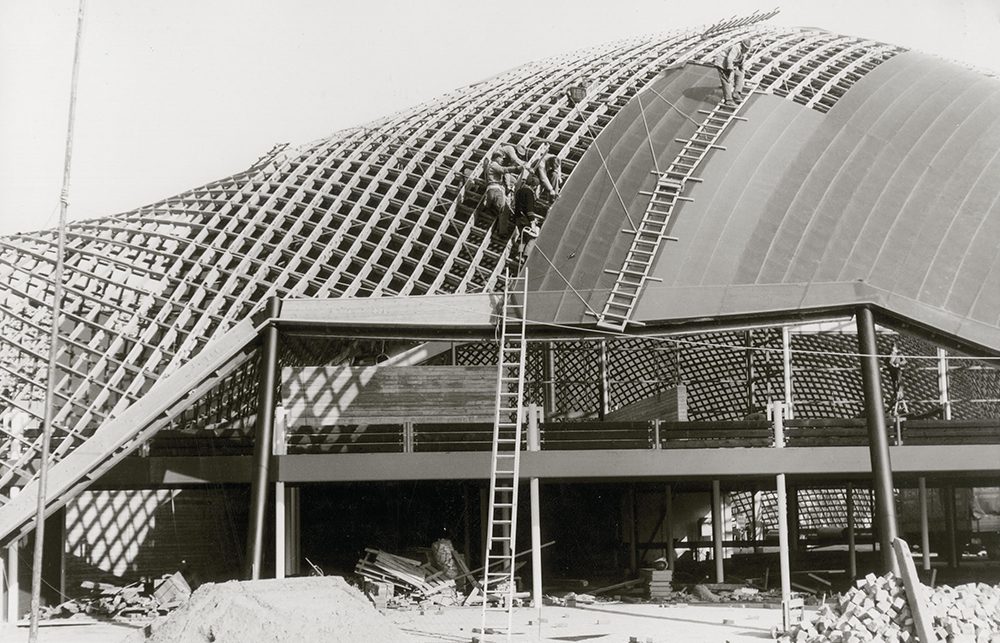
Notably, the West Norwood Library held personal significance for Ted, as it was the site of his marriage to Evelyn Matthews in 1967.
Teaching and the Founding of Buro Happold
In 1976, the University of Bath invited Ted to head the Department of Building Engineering and lead the School of Architecture and Engineering. His charisma and teaching style made him incredibly popular among students.
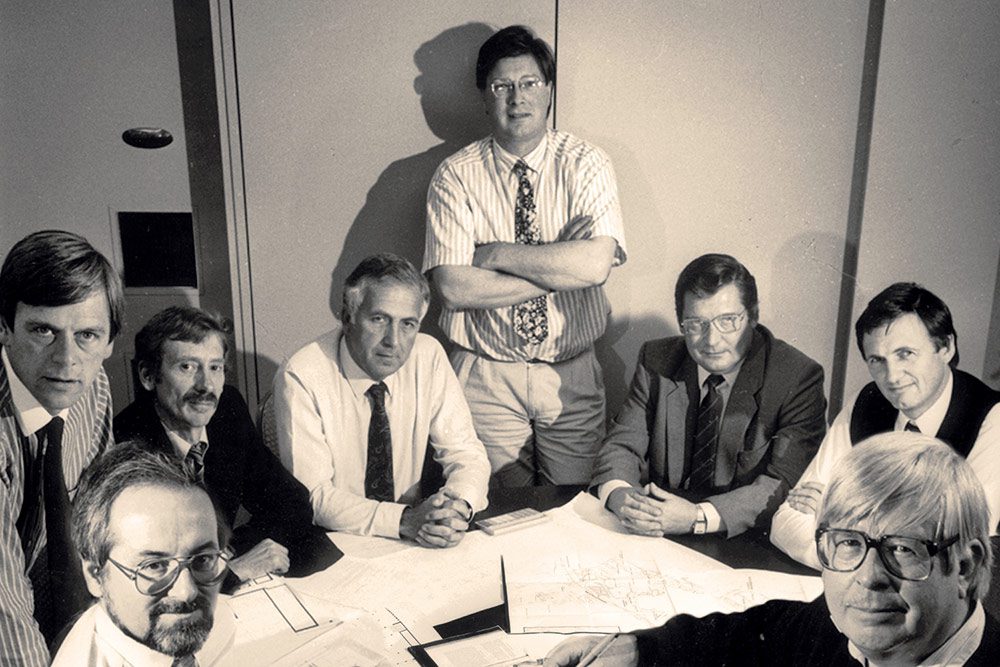
On 1 May 1976, Edmund, along with colleagues from Ove Arup and Partners, founded the new engineering firm Buro Happold with senior partners Ian Liddell and Michael Dickson. Ted’s vision was to build a business that attracted the best engineers and provided optimal working conditions.
Buro Happold is a multidisciplinary consultancy offering a broad range of engineering and design services. The company has contributed to iconic projects such as the London 2012 Olympic Stadium (London), Riverside Museum (Glasgow), XRL High-Speed Rail Terminus (Hong Kong), National September 11 Memorial Museum Pavilion (New York), The Louvre Museum (Abu Dhabi), and Copernicus Science Centre (Warsaw).
With over 3,000 employees and more than 100 partners in 37 locations across the UK, Europe, the USA, India, Hong Kong, and the Middle East, Buro Happold solves complex engineering challenges, from landmark structures to large-scale infrastructure.
Sir Edmund Happold’s Legacy
The Happold Foundation is an independent charity established by Sir Edmund Happold and Buro Happold’s founding partners in 1995. The foundation promotes education, research, and training in construction, engineering design, and technology.
Each year, the foundation sponsors students entering the final year of their master’s studies who plan careers in environmental planning, design, and development. Successful scholars receive a £1,200 grant and an eight-week placement at one of Buro Happold’s offices.
The foundation highlights engineering’s immense potential to transform society. By fostering a community of talented individuals, they aim to create a better future for all.
Active living and intense work ultimately exhausted the once-energetic Sir Edmund Happold. He passed away in 1996 at the age of 65. Ted is remembered as dedicated, dynamic, and charismatic – a man who truly loved the world and its people. His legacy continues to influence the engineering profession while enriching the lives of those who knew him through his intellect, generosity, and humanity.