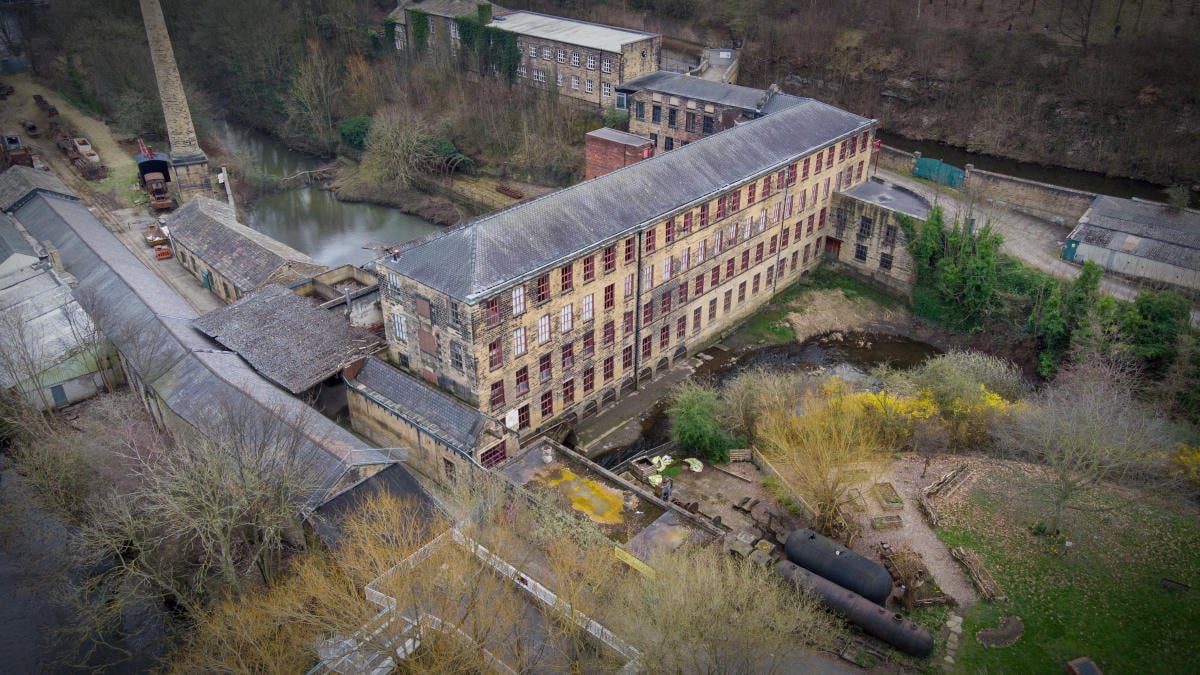

Leeds is a modern, thriving city that beautifully blends contemporary architecture with centuries-old heritage. Grand public buildings from past eras stand alongside their 21st-century counterparts, serving as key symbols of the city’s rich history and development. However, Leeds also harbours a darker, more mysterious side: many places here are believed to be haunted by ghosts and restless spirits. From ancient castles to modern structures, these haunted locations captivate both paranormal enthusiasts and sceptics alike. More on ileeds.info.
Has the City of Leeds Been Taken Over by Ghosts of the Past?
Mystical 17th-century churches, fascinating historical homes, museums, and a unique Cistercian abbey—these sites hold treasures and secrets from Leeds’ intriguing past. The city’s legendary history, preserved within these locations, can astonish and sometimes terrify. Abandoned mills, derelict family homes, former hospitals, and vintage theatres are filled with hidden legends and ghostly tales. These lesser-known fragments of Leeds’ history come alive through stories and books, allowing us to delve deeper into the city’s eerie past.
The Story of Armley Mills
Armley Mills is one of Leeds’ most iconic buildings. Once at the heart of the city’s industrial boom, it represents an important period in the city’s history, but it is also shrouded in tragedy. In the late 1700s, Colonel Thomas Lloyd, a Leeds cloth merchant, purchased Armley Mills, transforming it into one of the world’s largest producers of wool and textiles.
Though production ceased in 1969, the site reopened in 1982 as the Leeds Industrial Museum. However, the factory’s past is marked by countless stories of horrific working conditions. Often referred to as the “Dark Satanic Mills,” this chilling building hides tales of hardship and despair.
Records from the Edwardian period, discovered by curators, detail workplace accidents and fatalities that reveal the grim realities faced by textile workers. Many children, driven by poverty, worked long hours in the mill under dangerous conditions. Before the Factory Act of 1833, which restricted child labour, children as young as six worked up to 70 hours a week for meagre wages.
Among the tragedies was the 1905 death of 44-year-old William Bell, crushed instantly by a two-ton milling machine. Another fatality occurred in 1909 when W. Hinchcliffe, a 40-year-old engineer, suffered a deadly injury while repairing a boiler. Countless other workers endured severe injuries, including severed fingers, burns, and falls.
Today, the museum preserves vintage machinery, including traditional looms and textile equipment, but its ghostly reputation persists. Many believe the spirits of those who toiled there still haunt the building. Visitors and staff have reported slamming doors, the cries of a young boy, and phantom hands pushing them. A ghostly woman in Victorian black is also said to wander the corridors.
Temple Newsam House
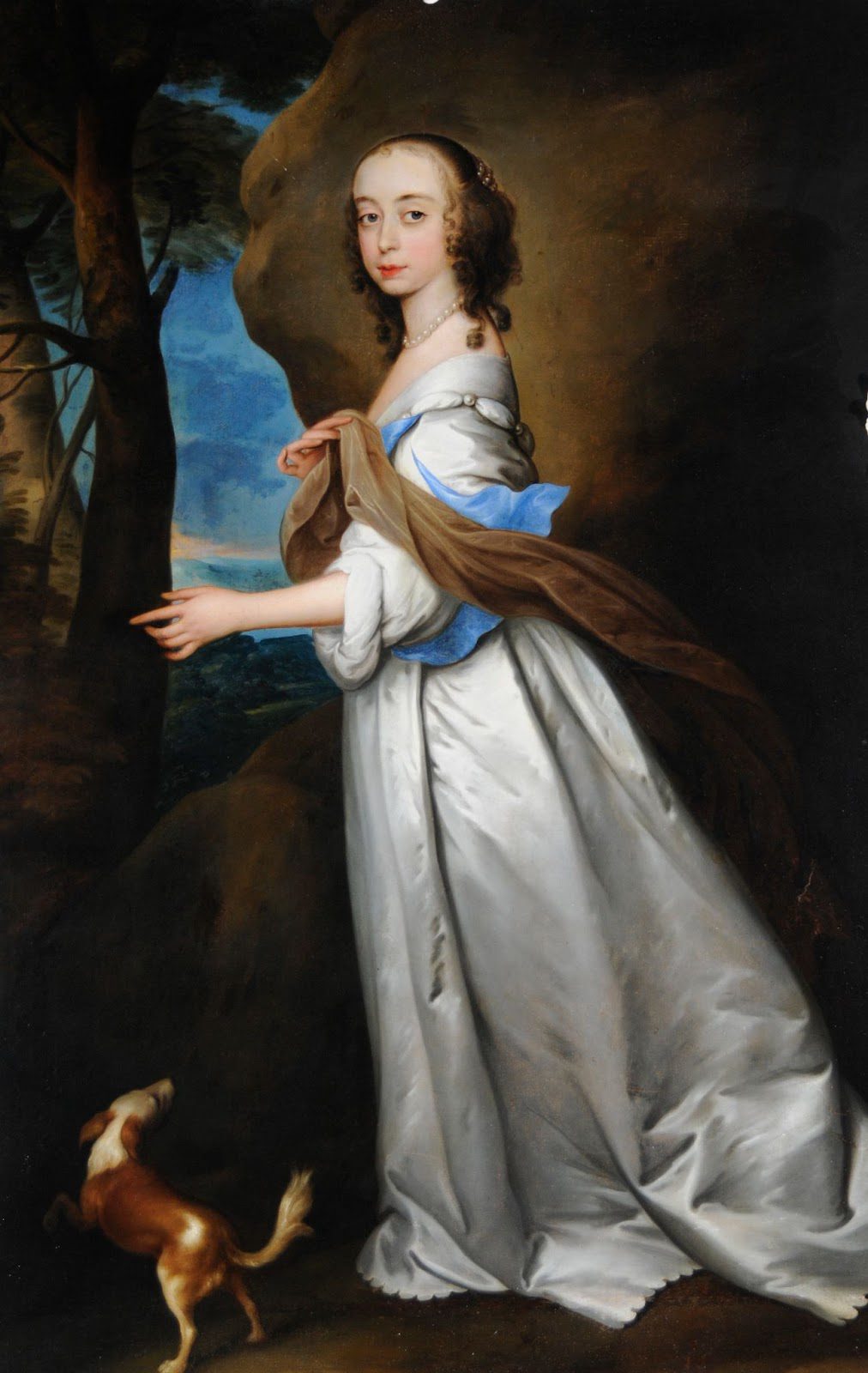
Temple Newsam House is a magnificent Tudor-Jacobean mansion dating back to the 1500s. With nearly 40 rooms showcasing fine art, textiles, silver, and ceramics, the estate is both historically significant and shrouded in mystery. Some even claim it is Britain’s most haunted country house.
The most famous tale is that of the “Blue Lady,” believed to be the spirit of Lady Mary Ingram, granddaughter of Sir Arthur Ingram, who owned the estate. One evening, after attending a party, Mary was attacked by thieves who stole her jewellery. Traumatised, she died prematurely. Visitors have claimed to see her ghostly figure gliding silently through the corridors, dressed in a flowing blue gown. Chilly drafts, strange noises, and odd patterns on the carpet further add to the legend.
Another tragic figure is Phoebe Grey, a nanny who was murdered by a servant named William Collinson. Spurned in love, Collinson strangled Phoebe in a fit of rage and disposed of her body in a well. To this day, visitors report hearing heavy dragging sounds from bedrooms and haunting screams echoing from the basement.
Thackray Museum of Medicine
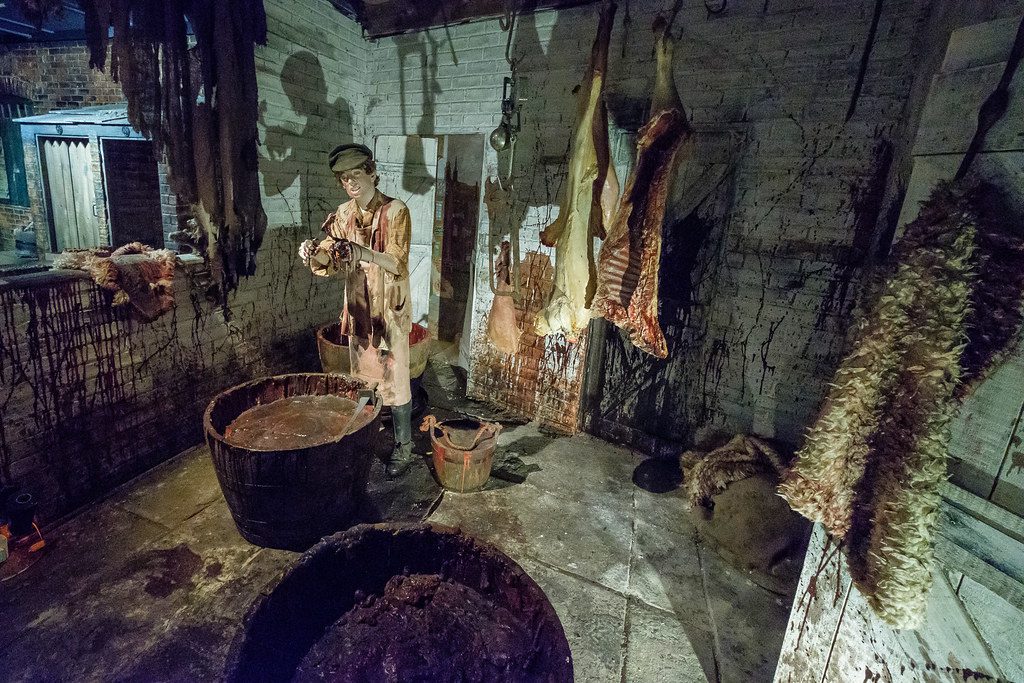
Located north of Leeds city centre, the Thackray Museum of Medicine occupies the former St. James Hospital, a site steeped in chilling tales of ghostly activity. The museum showcases the macabre history of medical advancements, featuring unsettling exhibits like a Victorian operating theatre that leaves visitors both fascinated and unsettled.
Frequent reports of paranormal activity include invisible footsteps, eerie knocking, and phantom figures wandering the dimly lit corridors. The “Victorian Street” exhibit is said to be haunted by a ghostly man in a white coat, possibly a doctor from the building’s hospital days. Another frequent apparition is a woman dressed in 18th-century clothing, known to wave at visitors.
One of the most peculiar events involves an old coin mysteriously rolling across the floor from an inaccessible part of the building. For those brave enough, the museum hosts regular night tours, offering a chance to encounter these spirits firsthand and experience the chilling atmosphere for themselves.
Intrigued? Pack your bags, grab a ticket, and explore the hidden secrets of Leeds’ mysterious history.