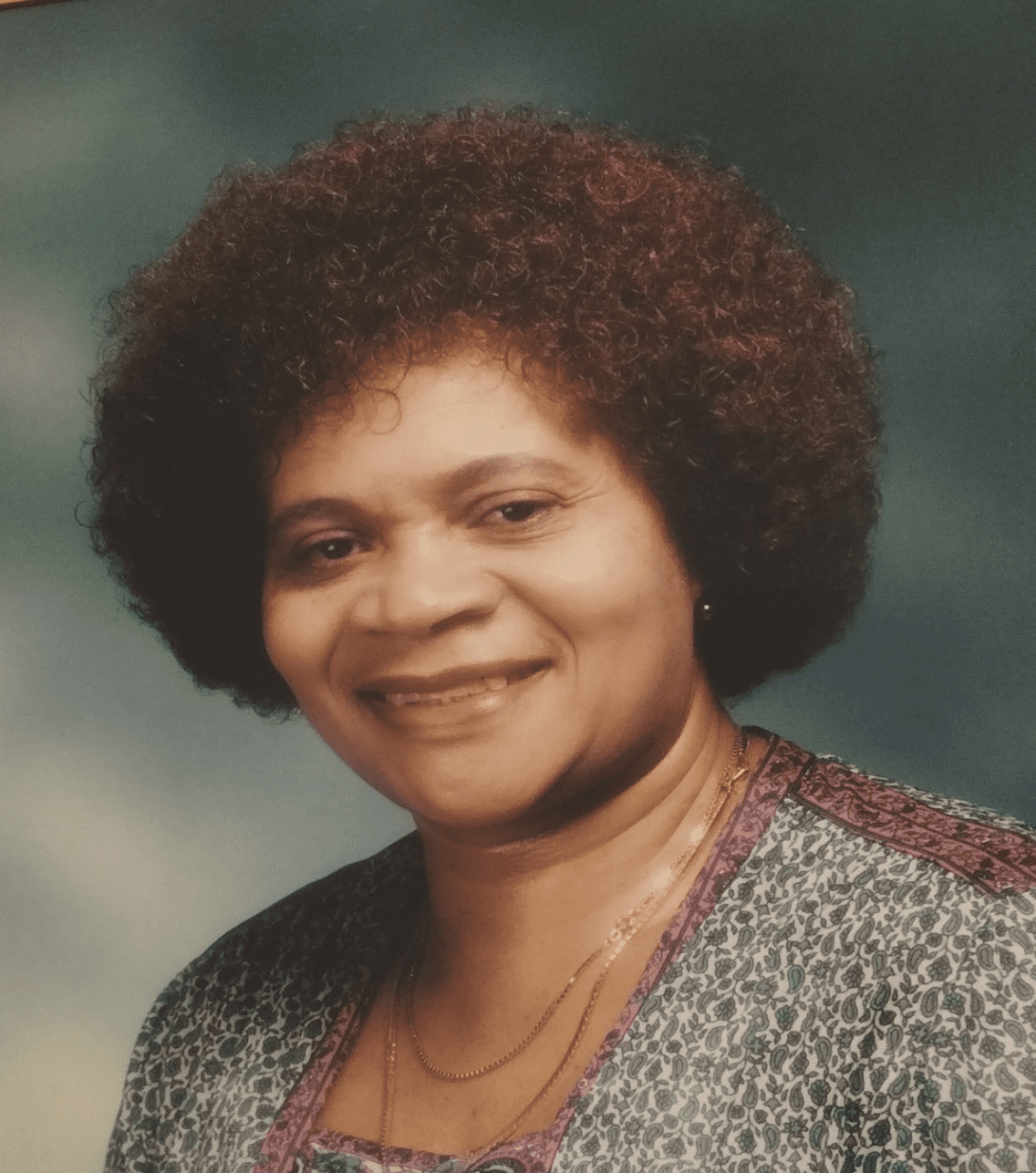

The talented educator and community activist Gertrude Paul left a significant legacy in the history of Leeds. She became the first Black teacher in the city, emerging as a resolute leader not only in the education system but also within society as a whole. Strong, determined, proactive, and persistent, Gertrude Paul overcame all obstacles and became a role model for thousands of other citizens. In addition, she founded the Leeds International Women’s Group, the Afro-Asian Organisation, and the United Caribbean Association. She also served on the Commission for Racial Equality, advising the British government. More on ileeds.
Indeed, Gertrude Paul fulfilled an incredibly important mission – she became one of the most prominent Black activists in Leeds, championing the rights of the British-Caribbean community in Yorkshire. Her name is included in the list of eight Leeds heroines whose achievements are celebrated on International Women’s Day.
In this article, we will learn more about her life, her significant civic stance, and the legacy Gertrude Paul left behind.
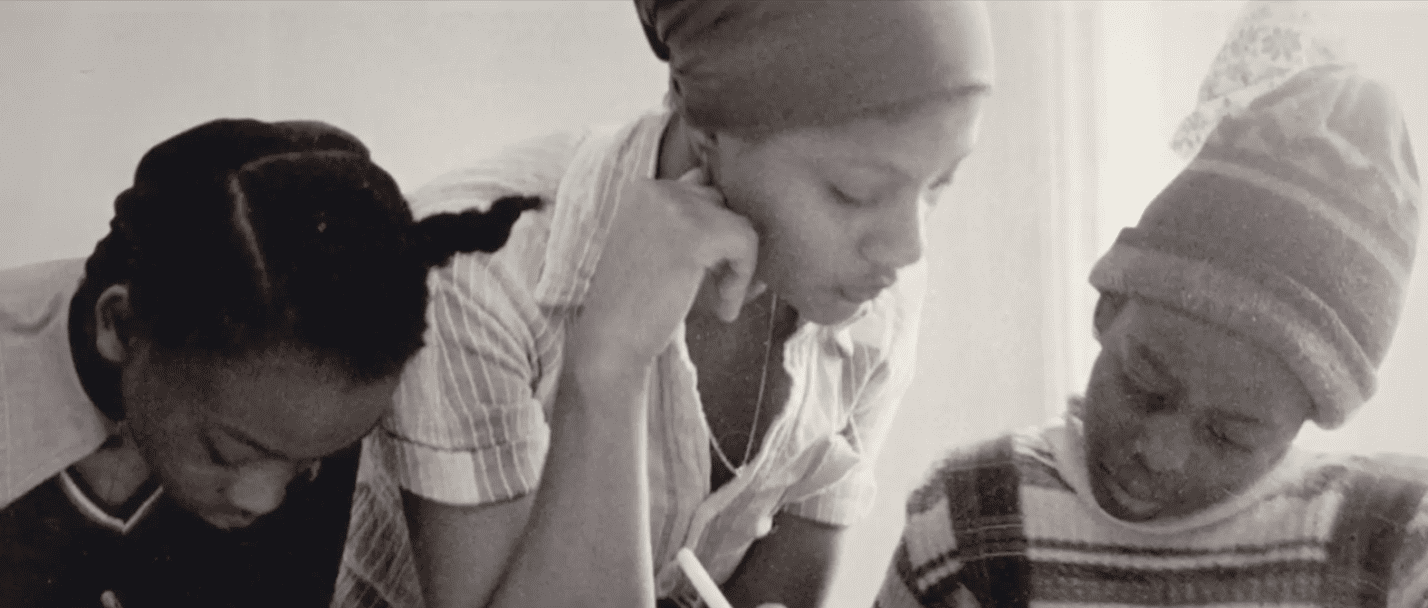
Immigration and a New Life
Gertrude Maretta Paul was born on 6 September 1934 in Parson’s Ground Village, a small island state of Saint Kitts and Nevis in the Caribbean Sea. Her family was large, with Gertrude being the eldest of 11 children. She attended a convent school in her youth.
In 1956, the young woman moved from Saint Kitts and Nevis to the United Kingdom. At that time, during the 1950s and 1960s, a significant number of qualified teachers emigrated to Britain from Commonwealth countries. However, to begin teaching in Britain, new citizens had to retrain. Although Gertrude Paul had earned her British teacher qualification at a training college in Antigua, the motivated young woman reaffirmed her knowledge. By the early 1960s, Gertrude graduated from the James Graham College of Education (Carnegie School of Education at Leeds Beckett University). During her studies and teaching, she established and led several groups, including the Leeds International Women’s Group, the Afro-Asian Organisation, and the United Caribbean Association.
The First Black Teacher in Leeds
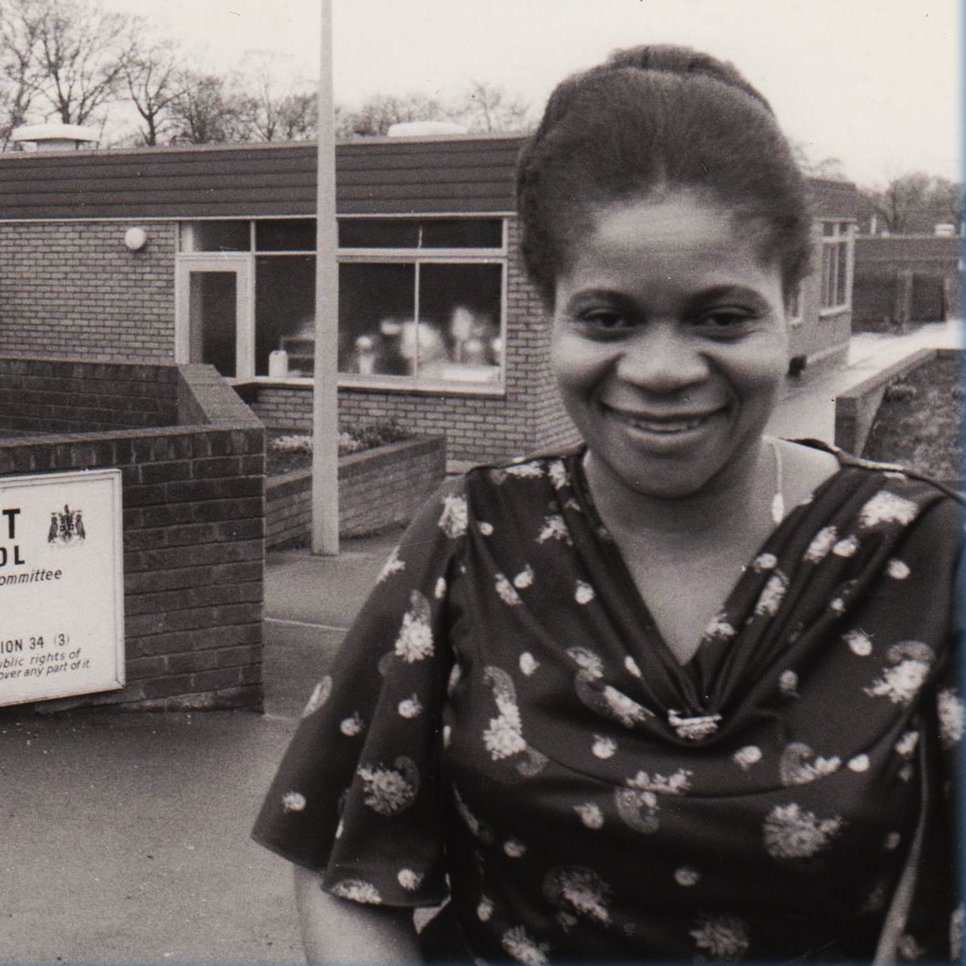
After completing her studies, Gertrude actively began teaching. Initially, the young teacher worked in preparatory schools in the suburbs of Leeds. In September 1972, Gertrude Paul joined Cowper Street School (now Hillcrest Academy), where she worked as a teacher.
She mainly taught in primary schools across south and northeast Leeds. Even then, Gertrude began serving the Leeds community by educating children and diligently working to build partnerships with children and their parents. Her work had a positive impact on civic life. In 1974, she was transferred to Elmhurst Middle School (now Bracken Edge Primary) in Chapeltown. By autumn 1976, she was appointed headteacher, marking a historic moment for Leeds as Gertrude Paul became the city’s first Black headteacher. At Elmhurst Middle School, which had 319 students, most were British-born Afro-Caribbean children.
Archival records provide little information about Gertrude Paul’s teaching philosophy, but certain themes are clear: care, support, and advocacy for those most in need. This particularly applied to Black students, who were often viewed differently in society at the time.
In those years, many prejudices existed regarding Black people, their lives, traditions, and personal characteristics. Yet Gertrude Paul fiercely believed in equality for all in education. She sought to create a tolerant society where local residents would embrace change with fairness and understanding.
Gertrude’s entire career was a challenge to the educational system of the time, as she, alongside an active community of Black parents and children, fought for equal learning conditions and holistic development in schools and communities across West Yorkshire. She became a voice for justice, highlighting historical issues of discrimination that continued to negatively impact future generations.
Overall, Gertrude became one of the leading activists promoting anti-racism at both the local and national levels. She was one of the founders of the West Indian Carnival in Chapeltown, a landmark event for the Black community in Leeds.
Founding the First Saturday School in Leeds
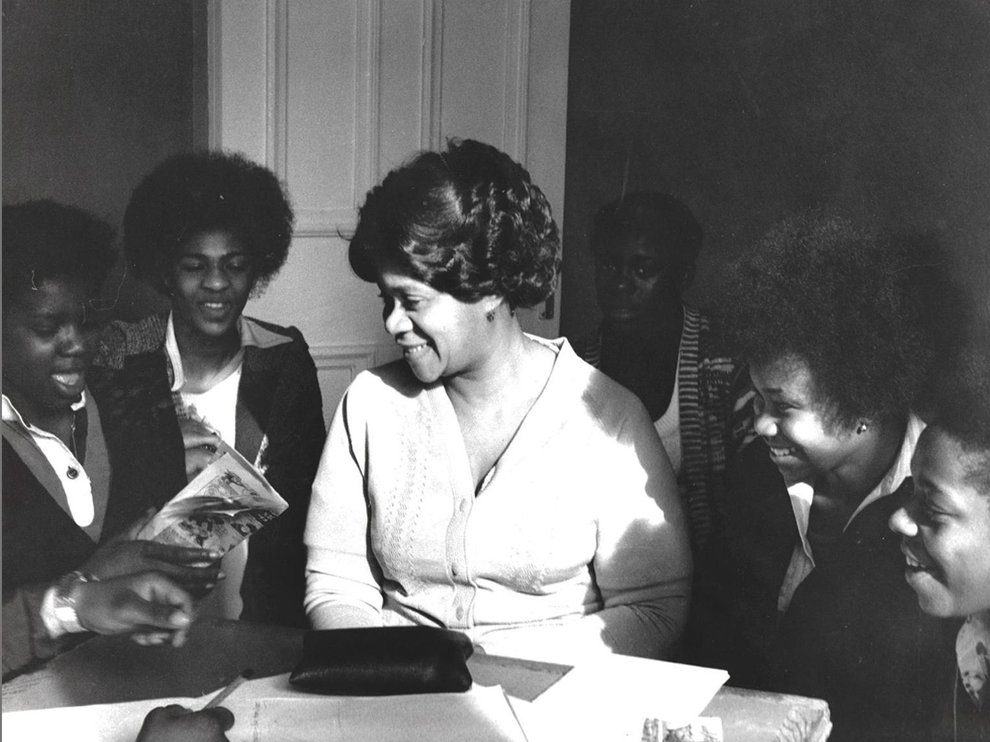
Beyond her role as a teacher, Gertrude also organised one of the first Saturday schools in the UK.
Saturday schools, or supplementary schools, have a long history. Since the 1940s, post-war migrants worldwide began establishing Saturday schools led by local communities. These schools were a response to racism and discrimination in the education system.
Black activists sought to create educational spaces for their children to address the gaps they faced in mainstream schools. Gertrude Paul became a teacher and later headteacher at the United Caribbean Association (UCA) supplementary school, founded in 1971 to provide Afro-Caribbean children with higher-quality education than what they received in state schools.
Gertrude Paul understood the social inequality and obstacles Black children faced. Her firm stance on this critical issue earned her the trust of both parents and students. She believed her school helped students affirm their identity, build confidence, and focus on personal development in a supportive environment.
Gertrude taught literacy and mathematics while promoting Caribbean culture through dance, poetry, and history. Teachers emphasised the importance of children knowing their past and heritage to understand their identity.
Gertrude Paul believed her students became more capable, confident, and proactive. Their academic results improved, and they found it easier to master the city’s primary and secondary school curriculums.

Gertrude Paul’s Significant Social Work
During the 1970s, police began a campaign of harassment against young Black individuals. Under SUS laws, police could stop and search suspicious youth suspected of “intent to commit an offence.” Black people were nearly ten times more likely to be stopped and searched than white citizens.
Gertrude Paul actively participated in various initiatives to help youth address issues with the police. She used her position to advocate for improved relations with law enforcement. In 1972, she highlighted these problems in the “Select Committee on Race and Immigration.”
In addition, Gertrude worked for “The Commission for Racial Equality (CRE),” representing Yorkshire.
When Gertrude was in her early fifties, she was diagnosed with myeloma. Despite her illness, she managed to deliver medical equipment to her home island, purchased with funds raised in Leeds. Her final trip home ended in 1992 when she passed away surrounded by loved ones.
In May 2020, Leeds Beckett University established the “Gertrude Paul Legacy” doctoral scholarship. Additionally, in 2011, Leeds Civic Trust installed a blue plaque on the front of Bracken Edge Primary School, where Gertrude served as headteacher. In 2023, a new affordable housing complex in Chapeltown was named in her honour.
This legendary woman etched her name into the history of Leeds, playing a vital role in the city’s development, education, and prosperity. Her unwavering determination and strength of character continue to inspire future generations to dream and achieve boldly.