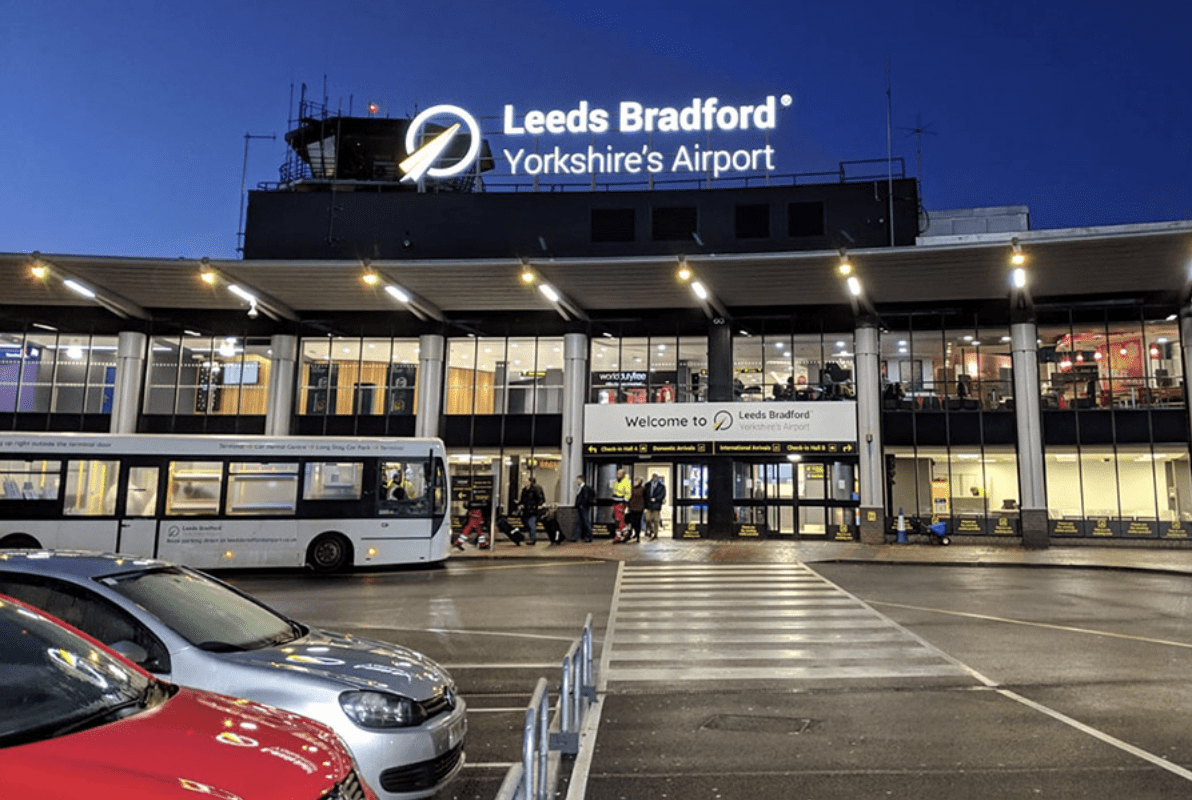

Leeds is one of the most accessible and convenient cities in the United Kingdom. Ideally located in the heart of the country, it offers excellent transportation connections, making it easy to reach from anywhere in the UK and the wider world. In addition to its robust local infrastructure of buses, cars, and trains, Leeds is also home to Yorkshire’s largest airport—Leeds Bradford Airport—located just 11 kilometres (7 miles) from Leeds city centre and 14 kilometres (9 miles) from Bradford. More on ileeds.info.
Leeds Bradford Airport serves the cities of Leeds, Bradford, York, Wakefield, and Harrogate. Interestingly, it is also the highest airport in the UK, situated 681 feet above sea level. In this article, we will explore the fascinating journey of the airport, from its origins as a municipal airfield to its development into a modern international hub.
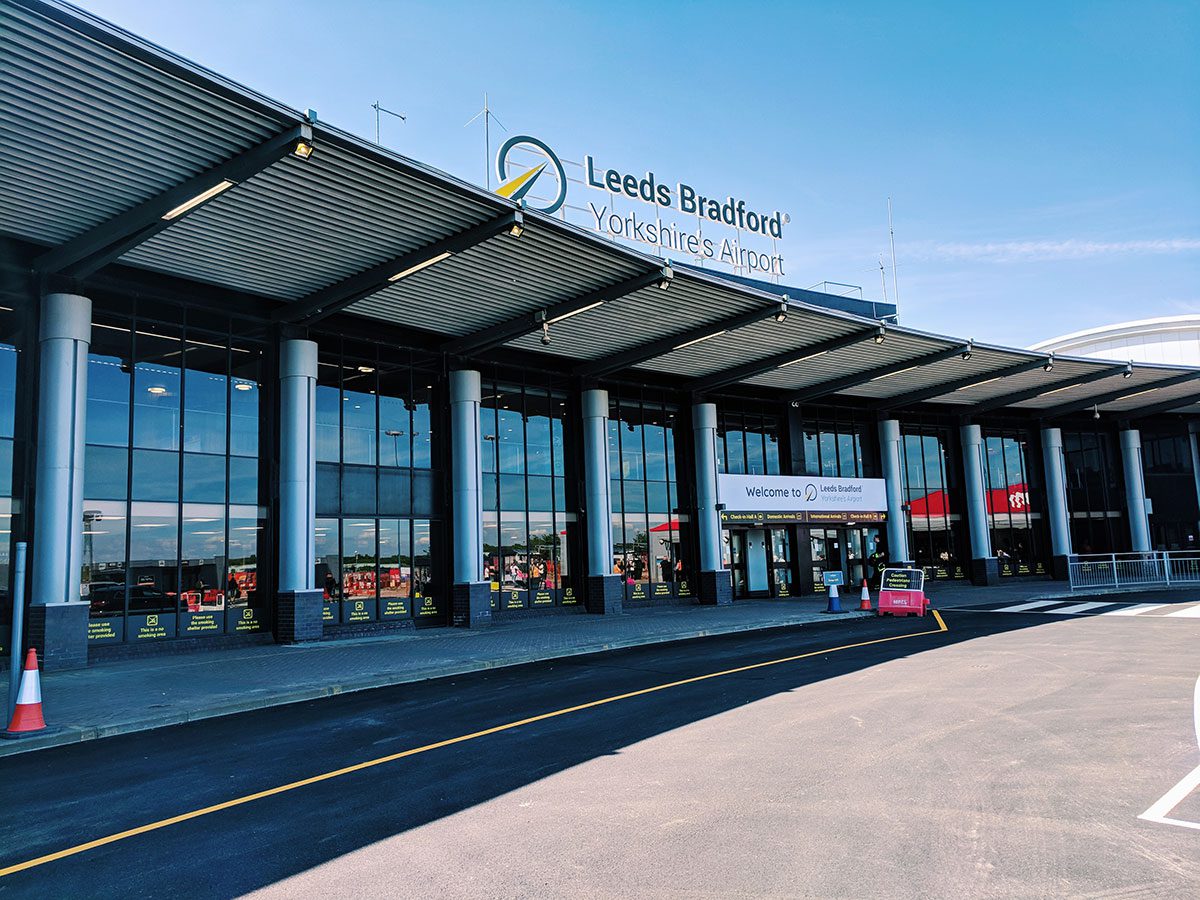
The Opening of the Airport
Yorkshire’s first and largest airport officially opened on October 17, 1931, in the suburb of Yeadon. Locals still affectionately call it “Yeadon Airport” to this day. Its first leader was Captain HV Harry Worral, a naval fighter pilot from the First World War. Aviation historian Ken Cothliff notes that Worral played a pivotal role in shaping the airfield over the next two decades.
Initially, the airfield consisted of over fifty acres of grass and primarily hosted training flights for local aviation enthusiasts and flying clubs. After the First World War, civil aviation was slow to develop, relying mainly on converted Royal Air Force bombers for passenger flights.
By 1935, the airport had expanded by an additional 35 acres, enabling commercial airlines like North Eastern Airways to launch regular services to Scotland, London, and Belfast. Seasonal routes, such as Yeadon to Liverpool and the Isle of Man, were soon introduced, marking the airport’s early success.
By 1936, passenger numbers were rising rapidly, and construction began on a new passenger terminal. However, the outbreak of war delayed further progress.
World War II and the Hidden Aircraft Factory
In 1939, the Second World War began, and Britain entered the conflict against Nazi Germany. Civilian activities at Yeadon Airport were suspended, and the site was repurposed to support the war effort. Across the UK, “shadow” factories were constructed to produce vital wartime equipment, hidden in plain sight to avoid detection and bombing by enemy forces.
To the north of Yeadon Airport, a massive shadow factory was built under the management of the Avro Airplane Company. It became one of the largest shadow factories in Europe and played a crucial role in bolstering Britain’s military aviation.
The factory was expertly camouflaged. Grass-covered roofs seamlessly blended with surrounding fields, while fake farm buildings, stone walls, and even ponds with ducks completed the illusion of a rural scene. Artificial hedgerows and movable animal props were adjusted daily to mimic natural changes. The camouflage proved so effective that the factory was never detected or bombed during the war.
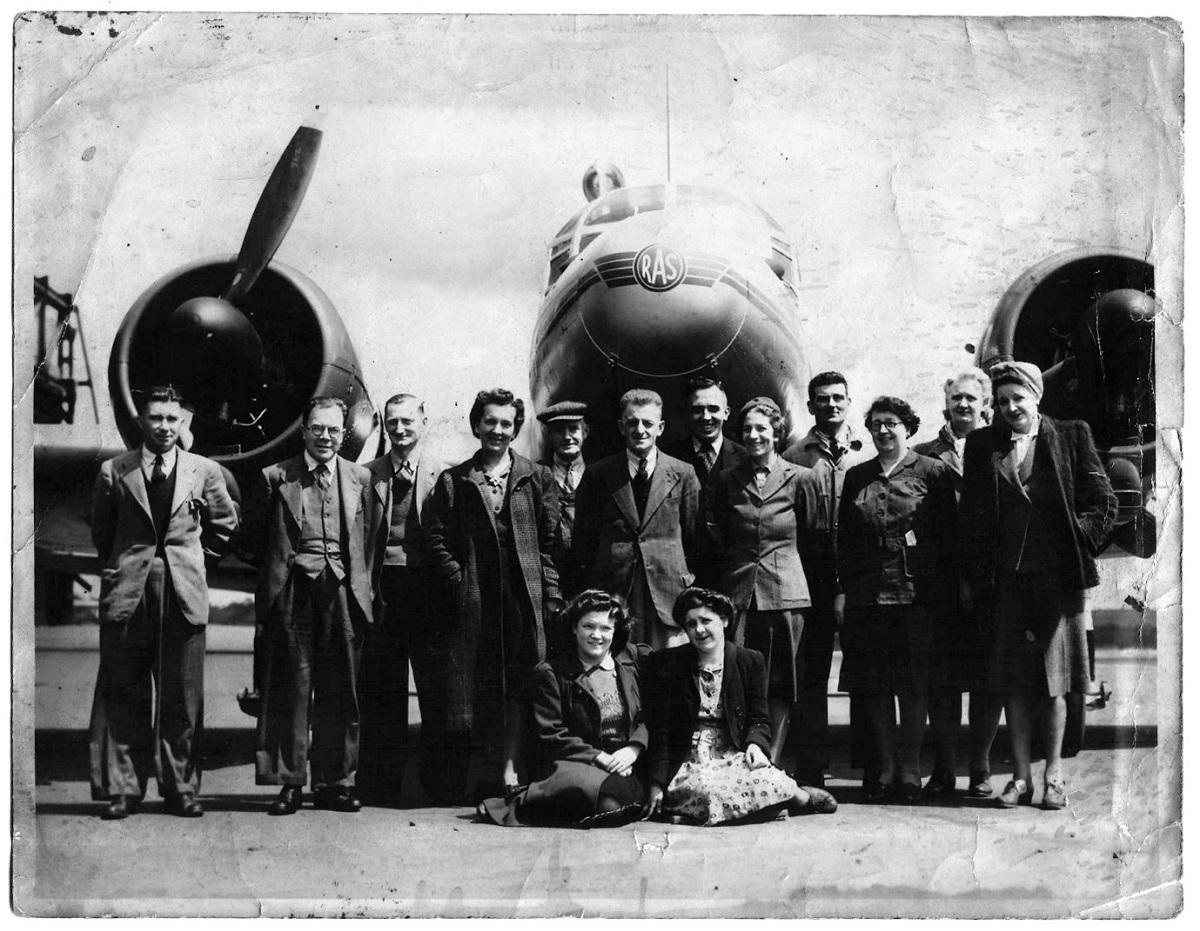
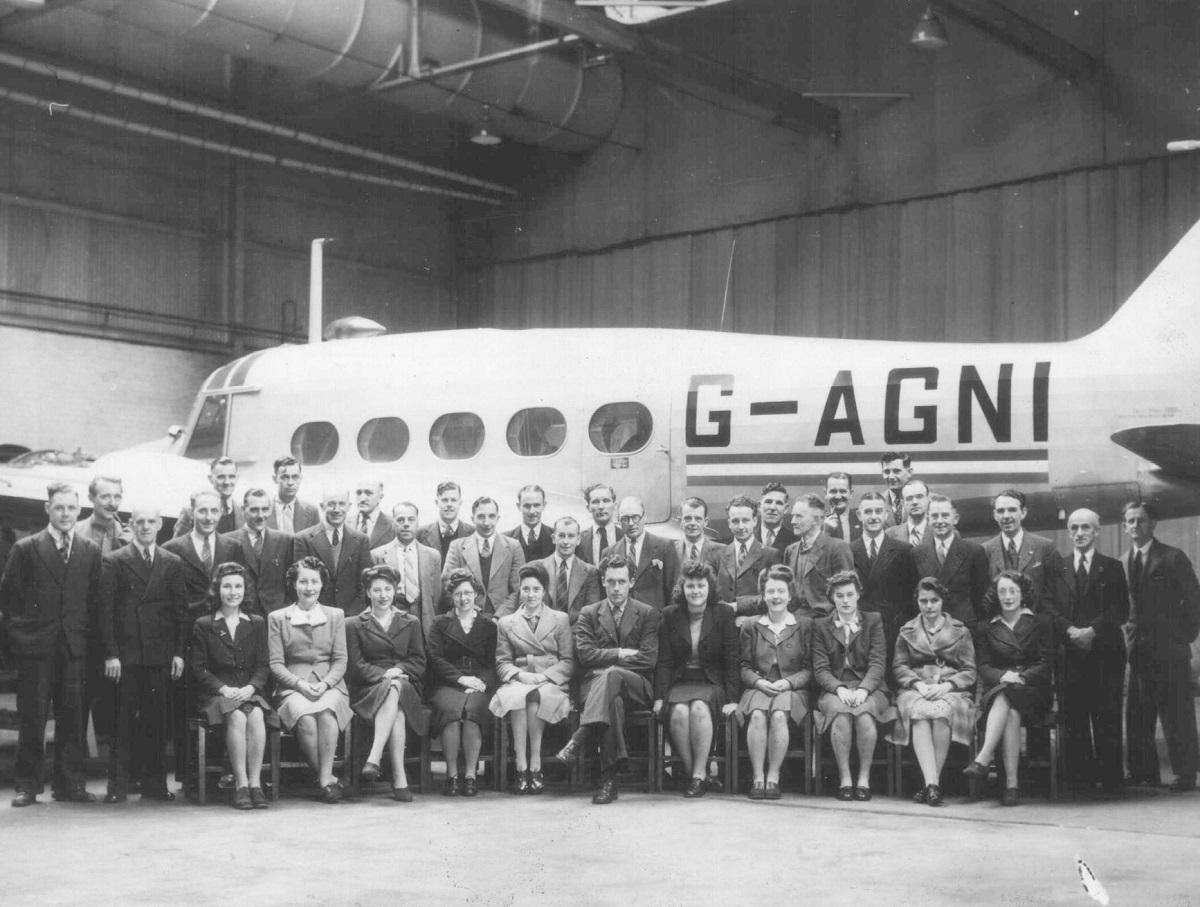
More than 17,500 workers, many of them young women from across West Yorkshire, were employed at the factory, working gruelling 69-hour weeks. Temporary housing was also constructed for workers commuting long distances.
Between 1939 and 1946, the factory produced approximately 700 Lancaster bombers and 4,500 Avro Ansons. The Lancaster bomber became one of the most iconic aircraft of the Second World War, pivotal in key military operations.
In addition to aircraft production, the site housed military personnel, with anti-aircraft guns strategically placed to defend the factory. Two runways, a taxiway, and hangars were built, doubling as a military testing centre for newly manufactured aircraft.

Post-War Reconstruction
The shadow factory closed in 1946, as the demand for bombers diminished. Civil aviation resumed at Yeadon in 1947, marking the airport’s return to its original purpose.
In 1953, a new management company, Yeadon Aviation Ltd, was formed to oversee operations. Over the next decade, the airport expanded significantly, introducing new regional and European routes. By the late 1960s, a concrete runway was constructed to accommodate jet aircraft, further modernising the airport.
A devastating fire in 1965 severely damaged the terminal building, prompting an intensive reconstruction effort.
Yorkshire’s Regional Airport
The 1970s saw a surge in package holidays, driving a rapid expansion of Leeds Bradford Airport. In 1976, the airport’s first charter flight departed for the Iberian Peninsula.
By 1982, plans were approved for a £23 million runway extension to 2,250 metres, despite restrictions on night flights. Completed in 1984, the extension allowed large aircraft, including the Boeing 747, to operate transatlantic routes to America.
Notably, the Concorde, the world’s fastest passenger aircraft, also flew from Leeds Bradford until 2000.
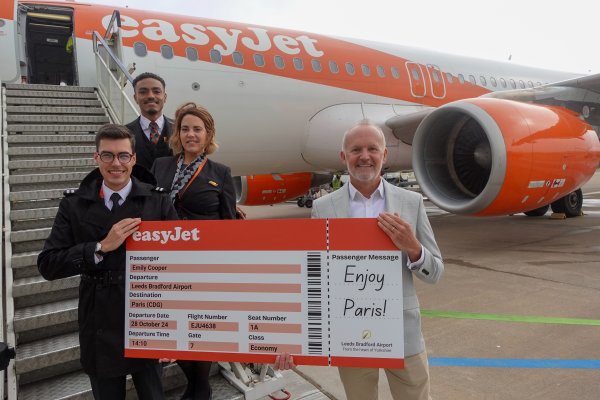
By 1986, passenger numbers exceeded 500,000, prompting further terminal expansion. In 2007, British investment firm Bridgepoint Capital acquired the airport for £145.5 million, announcing a £28 million terminal redevelopment the following year.
Today, Leeds Bradford Airport continues to connect the region to destinations across the UK and the world. Major airlines such as Jet2, Ryanair, British Airways, Aer Lingus, KLM, and Eastern Airways operate from the airport. Modern amenities include duty-free shops, play areas for children, a traditional Yorkshire pub, and a food court.
Business-class passengers can relax in two premium lounges—Servisair and Diamond Club—while the terminal boasts Wi-Fi connectivity, ensuring a seamless travel experience.
For more information on services, flights, and travel options, visit the official website:
https://www.leedsbradfordairport.co.uk.