
Leeds is a city of sporting achievements, monumental triumphs, and some of the finest sports arenas in the United Kingdom. This comes as no surprise, as Leeds boasts a rich sporting heritage, home to some of the most renowned teams in football, cricket, rugby, and hockey. The city’s top-tier stadiums gather thousands of dedicated fans in their stands, while true professionals play on the fields. Read more on ileeds.info.
The Elland Road football stadium seats over 37,000 spectators and was one of the venues for the UEFA Euro 1996. Headingley Stadium is the central arena for cricket and rugby matches. South Leeds Stadium serves as a venue for athletics, bowling, football, rugby, and tennis competitions.
These sports arenas hold fascinating histories, carefully preserving the secrets of great victories while evolving into modern, high-class facilities where the champions of tomorrow train and compete.
We have compiled a list of the best sports stadiums in Leeds, must-visit venues for sports enthusiasts. Choose a stadium to support your favorite team or perhaps begin a promising career in the world of sports. These arenas are among the best the city has to offer.

Headingley Stadium
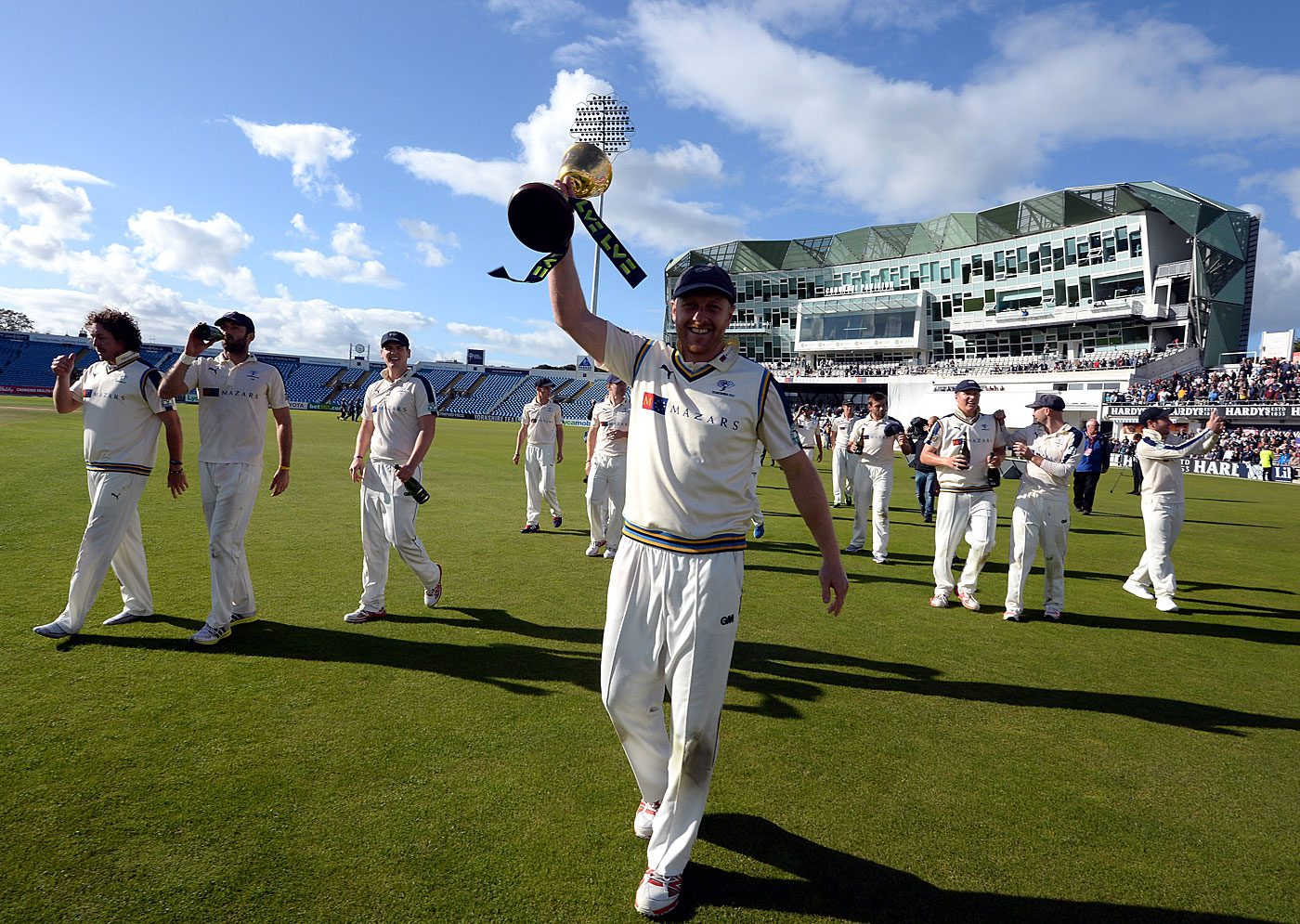
One of the largest stadiums in Leeds, Headingley Stadium is located in the suburb of Headingley. This modern sports complex is home to the Yorkshire County Cricket Club and rugby league teams Leeds Rhinos and Leeds Tykes. The Headingley Rugby Stadium is one of the top five largest rugby league arenas in England.
Built in 1890, the stadium comprises a cricket ground to the north on Kirkstall Lane and a rugby pitch to the south on St Michael’s Lane. A shared stand separates the two, making it a unique facility with dual arenas under one roof.
AMT Headingley Rugby Stadium
The first game at the rugby stadium was played on September 20, 1890, when Leeds defeated Manningham. Though the match was delayed by two weeks due to the stadium’s incomplete construction, it quickly became a central venue for Yorkshire competitions. Over the years, the stadium has hosted numerous international rugby league matches and countless local derbies, attracting up to 14,000 spectators.
In 1932, during a match on Good Friday, tragedy struck when a fire broke out near the North Stand, destroying it completely. The stand was rebuilt in 1933 with the help of William Airey & Sons, a Leeds-based construction firm.
Substantial changes came to the stadium in the 1990s, including renovations, new locker rooms, and banquet halls. In 2005, the East Terrace was replaced with a new £7 million stand, providing 1,844 seats, spaces for disabled spectators, and 12 private suites.
The success of the Yorkshire County Cricket Club, Leeds Rhinos, and Yorkshire Carnegie has played a vital role in maintaining Headingley’s status as one of Leeds’ most significant sporting landmarks and economic assets.
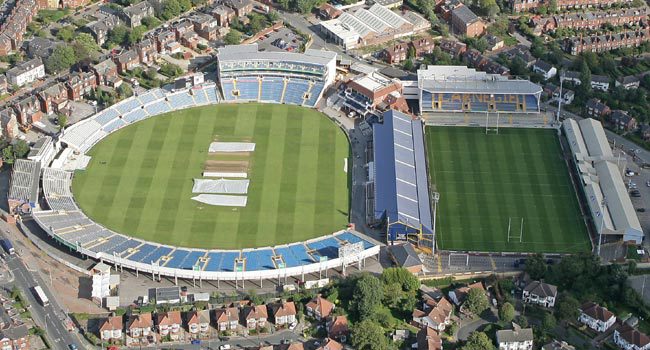
Headingley Cricket Ground
Adjacent to the rugby stadium, Headingley Cricket Ground shares the main stand. Since 1899, it has hosted Test cricket matches and remains a historic site for the sport. Originally planned as a multi-sport venue for football, tennis, and cycling, the cricket ground became one of the leading venues for county cricket and international tournaments.
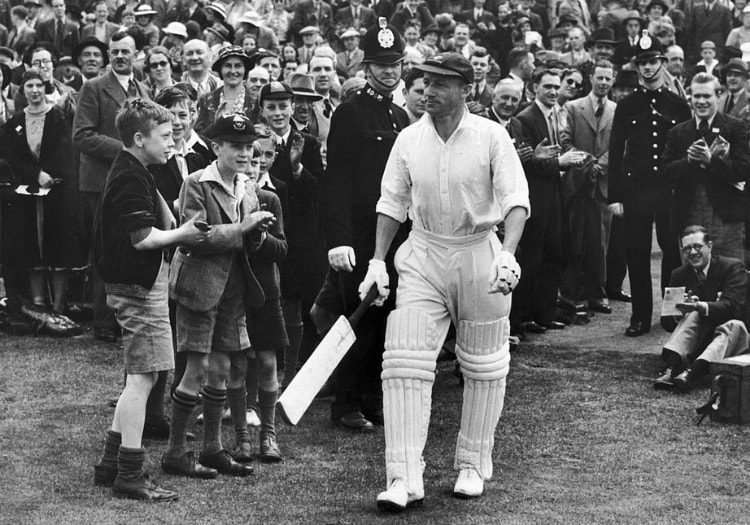
The stadium accommodates 18,350 spectators and has witnessed legendary achievements. Iconic moments include the triple centuries by Australian cricketer Donald Bradman in 1930 and 1934 and the unforgettable innings of Geoff Boycott, who scored his 100th century against Australia in 1977.
One of the most thrilling matches occurred in 1981, when England defeated Australia by 18 runs, thanks to the heroics of Ian Botham and Bob Willis.
Beyond cricket, Headingley has also hosted significant cultural events. In 2015, the British band Madness performed there, drawing an audience of over 7,000 people.

Elland Road
Elland Road is a football stadium located in Beeston, approximately 3 km south of Leeds city center. It has been the home of Leeds United Football Club since its founding in 1919. With a capacity of 37,068, it is the 14th largest football stadium in England.
Elland Road’s origins trace back to 1897, when the Leeds City Council purchased the land. Initially, it was used as a waste site before being leased to the Leeds Rugby League Club. The club transformed the area, building stands and locker rooms.
In 1919, Leeds United acquired the field for £250 and converted it into a football stadium. Significant milestones include the construction of the South Stand in 1920, the reconstruction of the West Stand in 1957, and the completion of the East Stand in 1963.
The stadium experienced its golden era in the 1960s and 1970s, hosting some of the most memorable matches in English football history. Tragedies in the 1980s, including the Bradford City fire and the Hillsborough disaster, led to stricter safety regulations and major renovations at Elland Road.
The East Stand, also known as the Jack Charlton Stand, is the largest, accommodating 14,900 fans. Built in the 1992–1993 season, it features executive boxes, shops, restaurants, and betting kiosks.
Elland Road is celebrated as one of England’s top football stadiums, known for its electric atmosphere and passionate supporters.
The residents of Leeds are truly fortunate to have access to some of the best sports arenas in the United Kingdom. Whether you are a fan of rugby, cricket, or football, Leeds’ stadiums provide unforgettable experiences, preserving the spirit of competition and community pride.