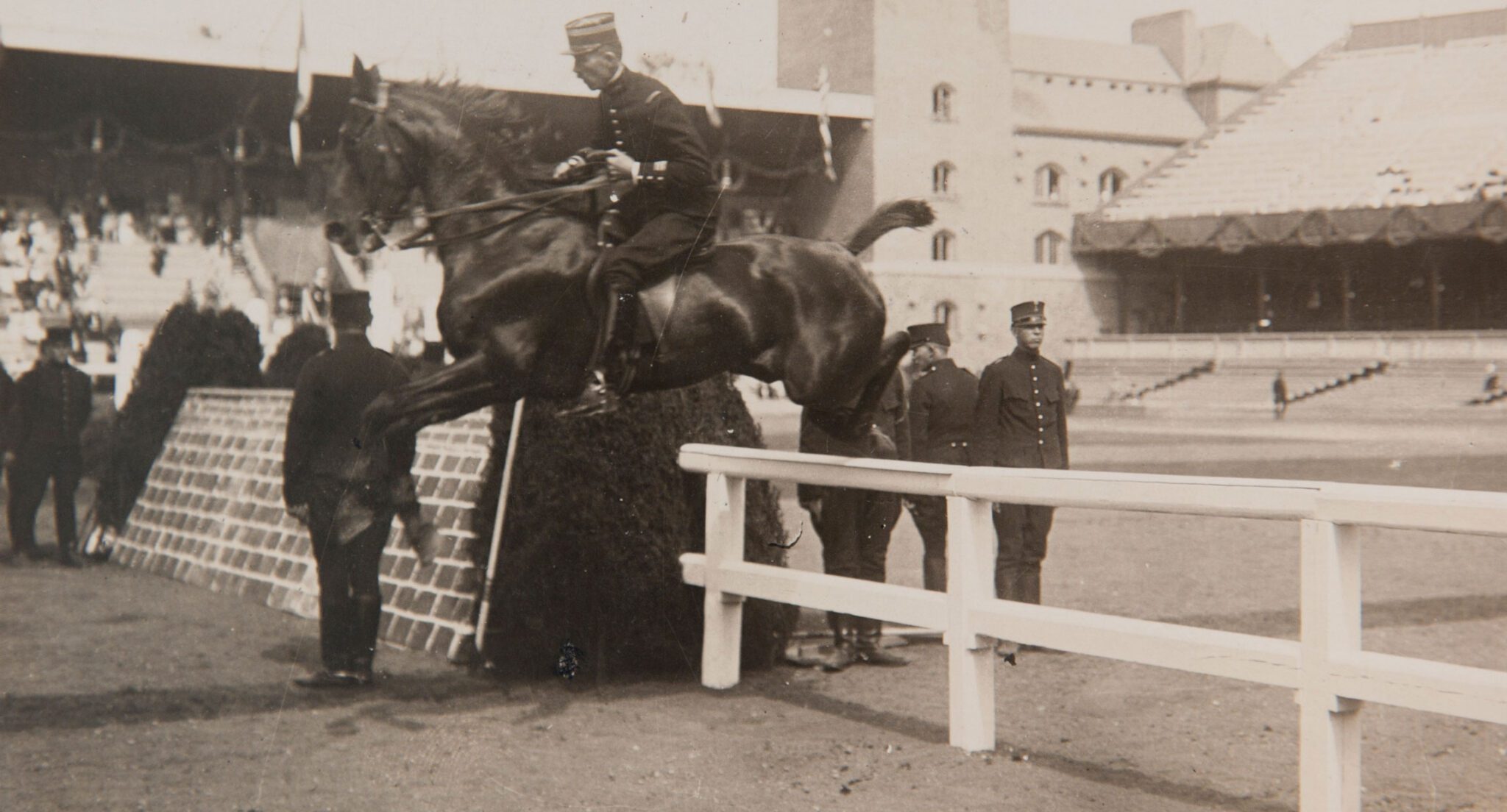

Leeds is a city known for its rich sporting culture, fostering a variety of sports. Today, we’ll explore the development of equestrian sports in Leeds. Though horseback riding is now considered a relatively expensive sport, it has a long-standing history in our city. Learn more about this on the pages of ileeds.info.
Leeds Riding Club: The Beginning of Horseback Riding Development
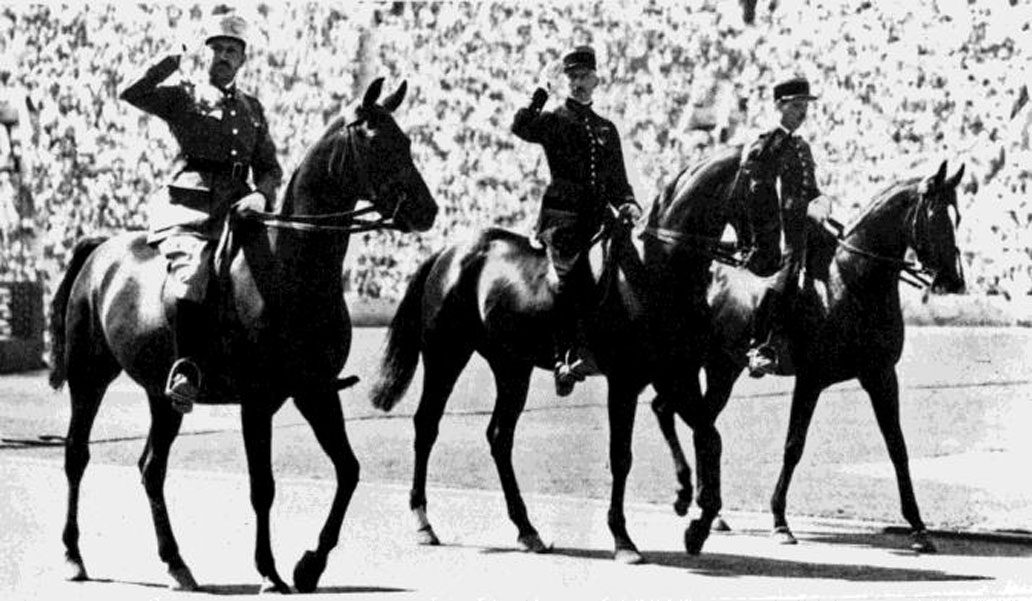
As one of the largest cities in Yorkshire, Leeds has played a significant role in popularizing and developing equestrian sports in the region. This sport began to thrive in the 19th century. Like in many regions, horseback riding in Leeds was a popular pastime among local aristocracy and wealthy social classes.
The Leeds Riding Club has been particularly influential, hosting competitions ranging from amateur tournaments to professional championships. The initiative to create the club came from a group of local equestrian enthusiasts from Leeds and nearby areas of Yorkshire. These locals sought to organize regular training sessions, competitions, and social events tied to equestrian sports.
In 1874, the club’s founding members held their first meetings, and the club soon gained official registration.
The club’s mission was to promote various equestrian disciplines—such as dressage, show jumping, racing, and eventing—while also popularizing horseback riding among Leeds residents.
Development of the Riding Club
Located on the outskirts of Leeds, the club’s site was selected to ensure ample space for both training and competitions. Over time, Leeds Riding Club became a hub for the region’s sporting life, organizing annual tournaments that attracted participants from across the UK.
In the 20th century, the club underwent several stages of modernization. New facilities were built, the infrastructure expanded, and professional training programs were introduced. These developments allowed the club to nurture generations of successful riders who have won national and international awards.
Today, equestrian sports in Leeds are supported by both local authorities and private investors, enabling the development of infrastructure such as modern arenas, training facilities, and competition zones. These efforts make Leeds an attractive venue for regional and international equestrian tournaments.
Beyond the sporting aspects, the club has organized horse exhibitions, educational seminars for riders and trainers, as well as cultural events. These initiatives have made equestrian sports more accessible and appealing to a broader audience.
Is Equestrian Sports a Luxury?
As mentioned earlier, horseback riding in past centuries was a pursuit reserved for the elite, as not everyone could afford to participate in the sport. The costs included purchasing a horse, maintaining it, and more. Even today, horseback riding remains an expensive activity.
In Leeds, the cost of a horseback riding lesson ranges from £30 to £70 per hour, depending on the trainer’s expertise and the quality of the horses. Subscriptions or lesson packages may offer discounts, but regular training at a riding club requires significant financial investment.
Additional expenses include horse rental, care, competition entry fees, equipment (helmet, boots, attire), transportation, and insurance. The annual cost of owning a horse in the UK can reach several thousand pounds. Yet modern parents are willing to invest in equestrian sports for their children. Leeds offers various options not only for beginners and amateurs but also for young enthusiasts.
We hope you found this article informative and learned more about your hometown.