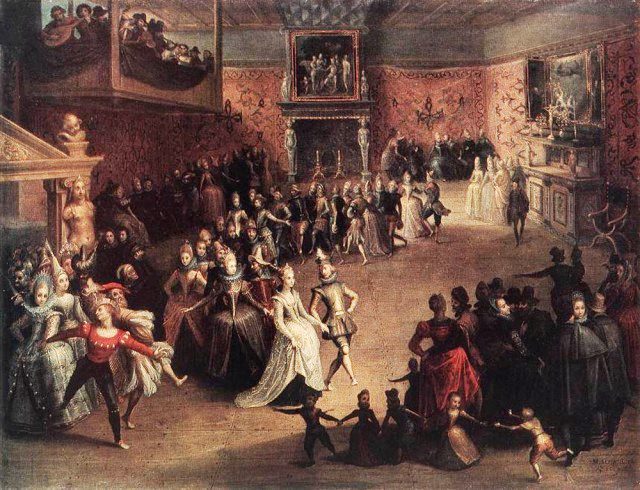

Did you know that at one time, society balls were one of the only forms of leisure available to city dwellers? Members of the upper class had few other options for entertainment. Today, we’ll explore where and how balls were held in Leeds. The history of these events has deep roots, closely linked to the city’s development as an important industrial, cultural, and social centre in West Yorkshire. Moreover, the traditions of such balls absorbed influences from various historical periods and social classes. You can read more about this on ileeds.info.
Venues for Balls in the Region
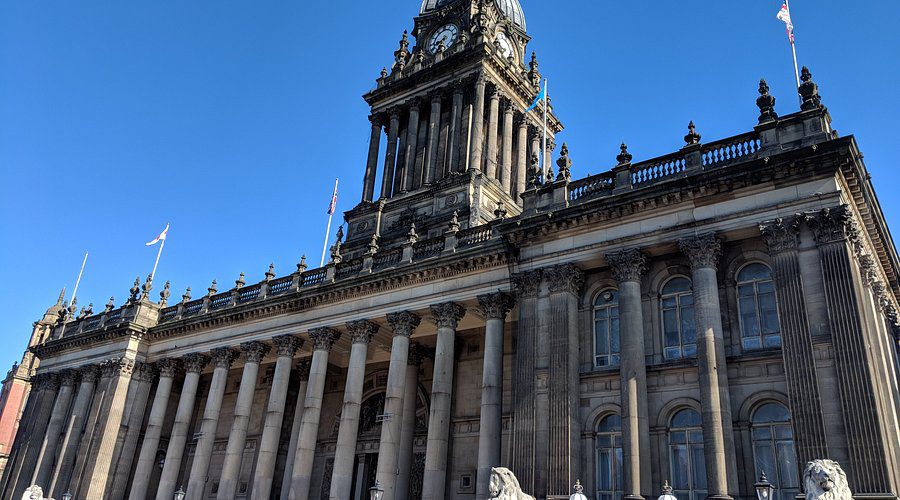
In the 19th century, Leeds was transforming into one of England’s leading industrial hubs. Naturally, the city became home to many wealthy individuals who sought leisure and entertainment. As a result, society balls began to be held in the region, most commonly in Leeds Town Hall, which was built in 1852. This magnificent building, with its grand halls, large organ, and elegant decor, became a symbol of the city’s cultural life. It was here that the local elite, including businesspeople, aristocrats, and cultural figures, gathered for formal celebrations, musical evenings, and dances.
Balls were also hosted in palaces, large mansions, and the private residences of affluent families in and around Leeds. These estates were often located in picturesque surroundings. Ball nights combined music, dance, formal receptions, and the celebration of significant occasions.
One particularly famous estate used for hosting balls was Harewood House. This classical-style stately home, situated near Leeds, was built for the Lascelles family, the Earls of Harewood, whose wealth largely came from profits made through the Caribbean slave trade. The estate is renowned for its grand architecture, luxurious interiors, furniture designed by the famed Thomas Chippendale, and its impressive art collection, which includes Chinese porcelain and Renaissance masterpieces.
The Character of Society Balls in Leeds
Members of Leeds’s elite would arrive at city palaces or country estates where balls were held to present themselves to society, seek potential marriage partners, and maintain social connections. However, attending such a formal event required considerable preparation. Families undertook training in etiquette, dancing, and codes of conduct. Young people, in particular, devoted attention to preparing for social life and marriage prospects.
Women wore elaborate, luxurious gowns with corsets and voluminous, often multi-layered skirts adorned with lace and jewels. These outfits reflected the latest fashion trends and the social status of their family. Men, on the other hand, dressed in tuxedos or tailcoats with white shirts, bow ties, waistcoats, and often accessorised with rings, cufflinks, watches, or walking canes.
Balls were a place for conversation, the building of advantageous social relationships, and, of course, dancing. Popular dances in Leeds included the waltz, contra dance, minuet, quadrille, and cotillion — each with its own established sequence and set of rules. Live music was typically played in the ballrooms or outside in garden areas. Between dances, guests would engage in conversations, introductions, and discussions on both political and social matters.
Strict rules of conduct were observed: choosing dance partners, maintaining grace in conversation, observing proper distance and decorum on the dance floor, and showing courtesy and respect to fellow guests.
And so, this is how society balls were organised in Leeds and the surrounding region. We hope you enjoyed this article and that it helped you learn something new about your home city.