

Epidemics were not uncommon in the lives of Leeds residents throughout history. Unfortunately, the lack of developed medicine and widespread unsanitary conditions were major contributing factors to the spread of various diseases in past centuries. Today, we will explore how Leeds faced the plague that shook Europe between 1347 and 1353. Read more on the pages of ileeds.info.
The Black Death Claimed Millions of Lives
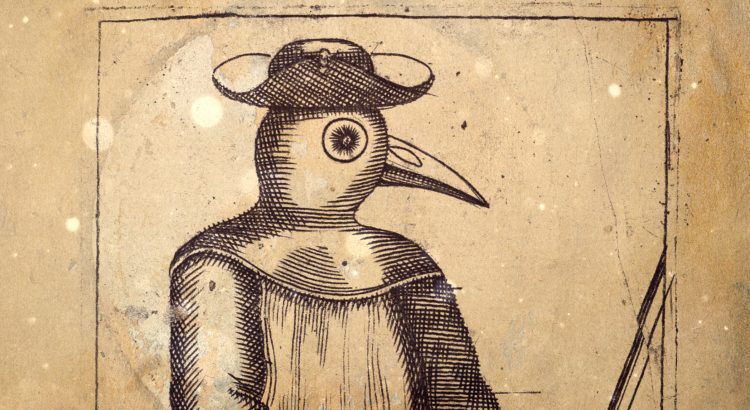
The medieval town of Leeds did not escape the devastating blow of the plague epidemic that swept across Europe from 1347 to 1353. This horrifying outbreak became one of the largest in world history, resulting in irreversible loss of life.
It began in Asia and spread to Europe via trade routes. By 1348, the Black Death had reached the British Isles, initially affecting southern port towns before gradually moving northwards, eventually reaching Leeds.
It is important to note that the epidemic spread rapidly through densely populated areas, leading to the death of nearly half the population of England. According to historical estimates, around 30–50% of England’s inhabitants perished from the plague.
At the time, Leeds had a well-developed trade network and tightly packed housing. As a result, the latter half of the 14th century became a period of mass mortality in our city. Furthermore, the epidemic did not disappear after 1348. Instead, it repeatedly returned to towns and villages across England, with subsequent outbreaks occurring approximately every ten years throughout the second half of the 14th century.
Causes of the Epidemic
The plague in medieval Leeds spread at a terrifying pace – but not without reason. The causative agent was the bacterium Yersinia pestis, transmitted through the bites of infected fleas that lived on rats. Rats were abundant due to poor hygiene and the overcrowded urban environment of Leeds. Fleas would migrate from rats to domestic animals and directly to humans, significantly accelerating the spread of the disease. In addition to direct contact with infected individuals, transmission could occur through touching objects previously used by those carrying the disease.
The epidemic had catastrophic consequences for Leeds. The infection manifested in the form of buboes – inflamed lymph nodes – which became hotspots of contagion. Moreover, the pneumonic form of the plague caused rapid death. As a result, people often died just days after the first symptoms appeared, and the disease continued to re-emerge roughly every decade during the 14th century.
The city authorities and local physicians in Leeds began taking action. Trade came to a halt, and the workforce was significantly reduced. Homes where infected individuals were found were placed under quarantine – typically for 40 days. During this time, no one was allowed to enter. Infected houses were marked with a red cross to warn others of the danger, and guards were stationed outside to enforce quarantine measures.
Leeds also made efforts to introduce disinfection procedures: bonfires were lit in public spaces, and dedicated isolation hospitals were set up – often outside populated areas – where the sick or suspected cases were sent. Particular attention was paid to sanitary conditions and housing. Overcrowded dwellings housing 5–10 people were shut down, as such environments were seen as major contributors to the spread of disease in Leeds.
In general, Leeds suffered from multiple epidemics and pandemics over the centuries. The issue was not only the infectious diseases themselves but also the poor sanitary conditions and lack of adequate medical care.
We hope this article has provided you with new insights into the history of our beloved city.