

Nervous overload and exhaustion are familiar to many modern people. Progress has brought not only positive changes to humanity but has also forced it to constantly pursue material wealth. This often leads to stress, burnout, and illness. To avoid such unfortunate outcomes, it is crucial to take care of mental health. Here is what you need to know according to ileeds.
First and foremost, it is important to understand that external irritants will always exist; they cannot be completely avoided, and this is entirely normal. However, a balanced and rational reaction to stress allows one to manage the situation and make the right decisions, as stated on Ginlalli.com. Therefore, it is crucial to learn how to control your emotions to prevent them from causing harm or exacerbating a crisis.
In Leeds, the Leeds Mental Wellbeing Service (LMWS) operates to address issues such as depression, stress, anxiety, and other disorders. Residents can rely on quality support for any pathological conditions, as each problem has its solutions. Funding for these services is provided by the West Yorkshire Integrated Care Board in Leeds.

How the Human Body Usually Responds to Danger
The human body reacts to external factors in various ways, based on a simplified scheme: “fight, flight, or freeze.” These mechanisms are rooted in human evolution. Long ago, such straightforward reactions helped our ancestors survive danger. With enough adrenaline and strength, one could fight back; if that wasn’t possible, running away quickly was the best option. If neither was feasible, freezing in the hope of survival was the last resort. Modern individuals often respond to stress based on these same principles.
It is important to recognise and properly evaluate what is happening to you. Primitive brain reactions do not always solve the problem; more often, they complicate it. In many cases, running away or fighting back is not an option. In such instances, destructive emotions should be dealt with constructively to prevent internal harm. Psychotherapy methods exist for this purpose.
Primitive instincts do not involve thoughtful analysis of the situation because, metaphorically speaking, while analysing, a “bear might eat you.” However, in the civilised world, the ability to remain calm is an essential skill.

The Nature of Stress
The first step in dealing with stress is to recognise it and its origins. Signs of nervous tension include:
- Physical symptoms: headaches, tachycardia, high blood pressure, digestive issues, dry mouth, chest tightness, and loss of sexual desire.
- Cognitive symptoms: memory problems, inability to concentrate, anxiety, fixation on failures and negative life events.
- Emotional symptoms: tension, irritability, persistent self-pity, depressive or even suicidal thoughts.
- Behavioural symptoms: changes in appetite, insomnia or excessive sleepiness, and harmful habits like drinking, smoking, or drug use.
Nervous overloads can have physiological, psychological, emotional, informational, or managerial causes. When such signs persist, and stress becomes chronic, serious illnesses are likely to follow.

What to Do When Stress Arises
Emotional experiences should not be suppressed but instead acknowledged, processed, and released to avoid burnout. Keeping a journal, communicating with friends, or seeking therapy can help. It’s also beneficial to remember that all situations pass, and over time, they may appear in a new light.
Stress, when not chronic, can have positive effects by mobilising individuals to overcome challenges effectively. Short-term nervous stimulation can act as a catalyst for decisive action. When successful, satisfaction hormones are released.
However, intense anxiety can derail a person and even trigger panic attacks. To avoid this, focus on your surroundings during moments of distress. Counting objects, recalling three different colours, or naming specific names can help distract from intrusive thoughts.
Rhythmic deep breathing and light physical exercises improve mental well-being and reduce tension. Taking a moment to pause, reflect, or channel energy into action, like running, boxing, dancing, or other active movements, can release negative energy and prevent its destructive effects.

Stress Prevention
To maintain calm and positivity, it is essential to care for your mental state in advance and avoid boiling point scenarios. Experts recommend:
- Practicing mindfulness: Engage in meditation, introspection, relaxation, and breaks.
- Encouraging and uplifting yourself: Positive self-talk can soothe the nervous system.
- Visualising: Imagine pleasant scenarios, focus on happy memories, and concentrate on uplifting thoughts.
- Identifying stress sources: Understand what triggers your stress to address it effectively.
- Taking care of yourself: Eat well, exercise, pursue hobbies, socialise with positive people, and indulge in small pleasures.
- Letting go: Temporarily release control and stop constantly seeking solutions.
- Breaking tasks into smaller steps: Tackle problems gradually.
- Seeking help: Don’t hesitate to ask for support when needed.
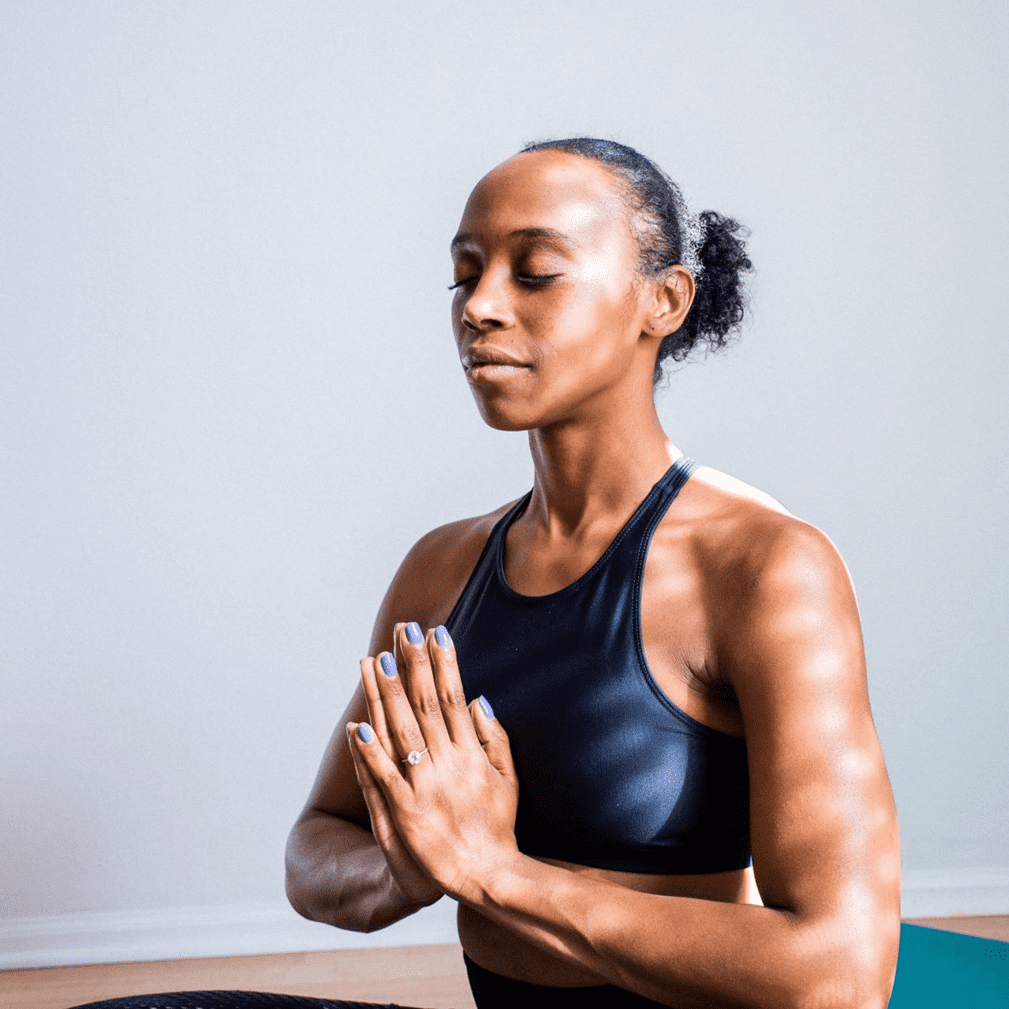
How to Stay Calm When Someone Intentionally Annoys You
Sometimes, individuals deliberately provoke you, seeking to elicit a nervous reaction. In such cases, describe your feelings in detail to understand the source of negativity. The more thoroughly you articulate your emotions (fear, humiliation, guilt, envy, anger), the better you will comprehend their causes and potential solutions.
In practice, when around someone who triggers you, discreetly place your hand on your heart or stomach as a symbolic gesture of self-support. This helps focus and maintain calm. If possible, avoid unpleasant company, set boundaries, and learn to say no.
Timely and appropriate reactions to stress are key to overcoming problems and preserving mental well-being. Rationally evaluating your state and seeing things as they are, not distorted by stress, leads to better outcomes. Such self-care ultimately improves both mental and physical health.