

Do you enjoy watching football as much as the people of Leeds do? Whether you’re cheering loudly at a packed stadium, kicking a ball around on a local pitch, or simply relaxing in a pub with a pint of Guinness watching a live match, football in Leeds connects communities and individuals alike. The city is home to several football clubs, but the first professional team to represent Leeds was Leeds City FC. This pioneering club excelled in the Second Division before World War I but met an untimely end due to a financial scandal in 1919. However, its legacy lived on as Leeds United emerged from its ashes. Next on ileeds.
Let’s explore the origin, growth, and controversial demise of Leeds City FC – the team that laid the foundation for professional football in Leeds.
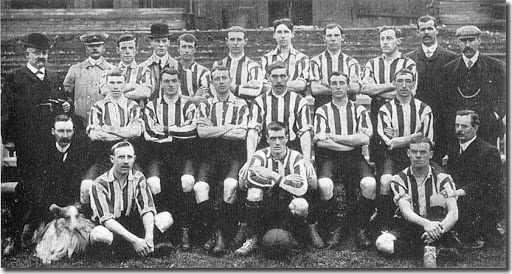
The Birth of Football in Leeds
In the late 19th century, Leeds was England’s largest city without a professional football team. While football struggled to gain traction, rugby flourished, with several prominent rugby clubs forming under the Yorkshire Rugby Union. The city’s industrial roots and working-class culture favored rugby’s physical and technical nature, leaving football sidelined.
The first significant football event occurred on Boxing Day in 1877 when two Sheffield teams played an exhibition match. The spectacle, however, failed to capture the interest of the local crowd.
It wasn’t until 1899 that things began to change. A team called Leeds Steelworks FC emerged, consisting of workers from a local ironworks. Though successful on a local level, the team disbanded in 1902. By then, football enthusiasts were determined to establish a club that could represent Leeds in the Football League.
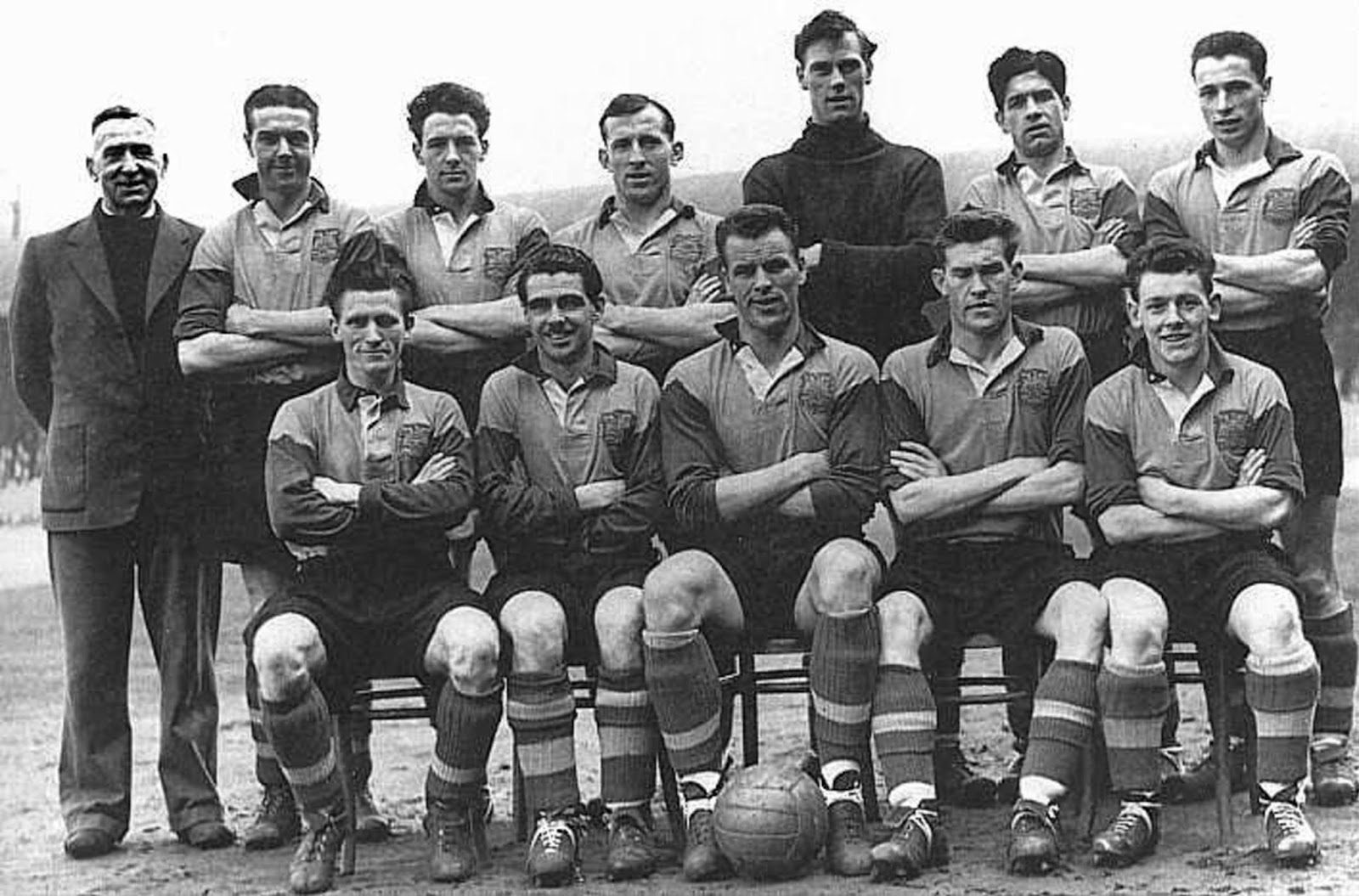
The Formation of Leeds City FC
In 1904, local businessmen and football supporters convened at the Griffin Hotel on Boar Lane. Their goal was clear: create a professional football club for Leeds and secure its place in the Football League. They agreed to lease Elland Road for £75 per year, with an option to purchase the land for £5,000.
The club, named Leeds City FC, was officially formed, with Gilbert Gillies appointed as manager. Leeds City joined the West Yorkshire League and played their inaugural match on 2 September 1905, facing Bradford City. The game, held at Valley Parade, ended in a 1-0 loss. Leeds City’s first home match at Elland Road also resulted in defeat to West Bromwich Albion.
The team secured their first victory against Leicester Fosse, thanks to a winning goal by Harry Singleton. Football critics praised Leeds City for their competitive play, and the club finished their debut season in 6th place in the Second Division. Attendance grew steadily, reflecting the growing enthusiasm for football in Leeds.
To capitalize on this momentum, the club invested in improving Elland Road, constructing a new stand and expanding terraces before the 1906 season.
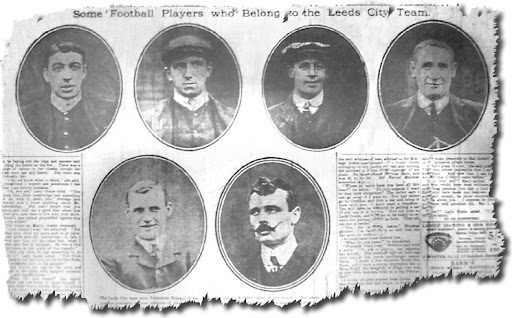
The Tragic Death of David Wilson
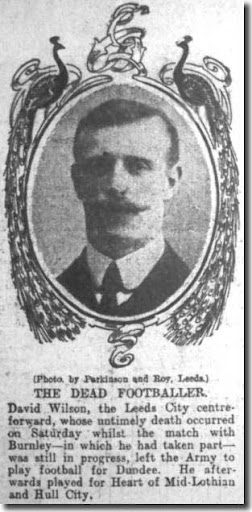
Leeds City’s star player during their formative years was David Wilson, nicknamed “The Soldier” due to his military background. Wilson, a central forward, began the 1906 season slowly but soon led the team to three consecutive victories.
Tragedy struck on 27 October 1906, during a match against Burnley. Wilson left the pitch in the second half due to chest pain but insisted on returning to play. Moments later, he collapsed while walking to the dressing room and tragically passed away at the age of 23.
The team struggled to recover from this emotional blow, losing five consecutive matches. Despite a mid-season resurgence, Leeds City finished 10th. Manager Frank Scott-Walford replaced Gillies, but performances remained inconsistent.
World War I and the Herbert Chapman Era
Under manager Herbert Chapman, Leeds City began to flourish. Chapman, later famed for his success with Huddersfield and Arsenal, brought discipline and vision to the team. Leeds finished 6th in one season and 4th the next, establishing themselves as contenders. In 1914, the team set a record with an 8-0 victory over Nottingham Forest.
The onset of World War I halted football, and Leeds City participated in regional competitions. During this time, the club controversially fielded guest players, a common but technically illegal practice.
The Charlie Copeland Scandal and Club Closure
In 1919, former player Charlie Copeland accused Leeds City of paying illegal wages to guest players during the war. This violated Football Association (FA) rules, prompting an investigation. When club officials refused to disclose their financial records, the FA took drastic action: Leeds City was expelled from the Football League and the club was disbanded.
On 17 October 1919, the team’s assets, including players, goalposts, and nets, were auctioned off at Leeds’ Metropole Hotel. The players were sold to other clubs for a total of £9,250.

The Legacy and Revival of Leeds City
While Leeds City’s closure marked the end of an era, it paved the way for Leeds United, which was founded on 31 May 1920. Leeds United would go on to become one of the most storied clubs in English football history.
In 2006, the name Leeds City FC was revived through the merger of three local clubs: Abbey Grange Old Boys, Adel FC, and Leeds City Vixens. Today, the club competes in regional leagues, boasting both men’s and women’s teams, as well as a thriving junior section for boys and girls aged 7 to 17.
The story of Leeds City FC is one of ambition, growth, tragedy, and controversy. Though their time in the Football League was cut short, Leeds City laid the groundwork for professional football in Leeds, inspiring generations of players and fans. Their legacy lives on through the enduring success of Leeds United and the modern revival of Leeds City.