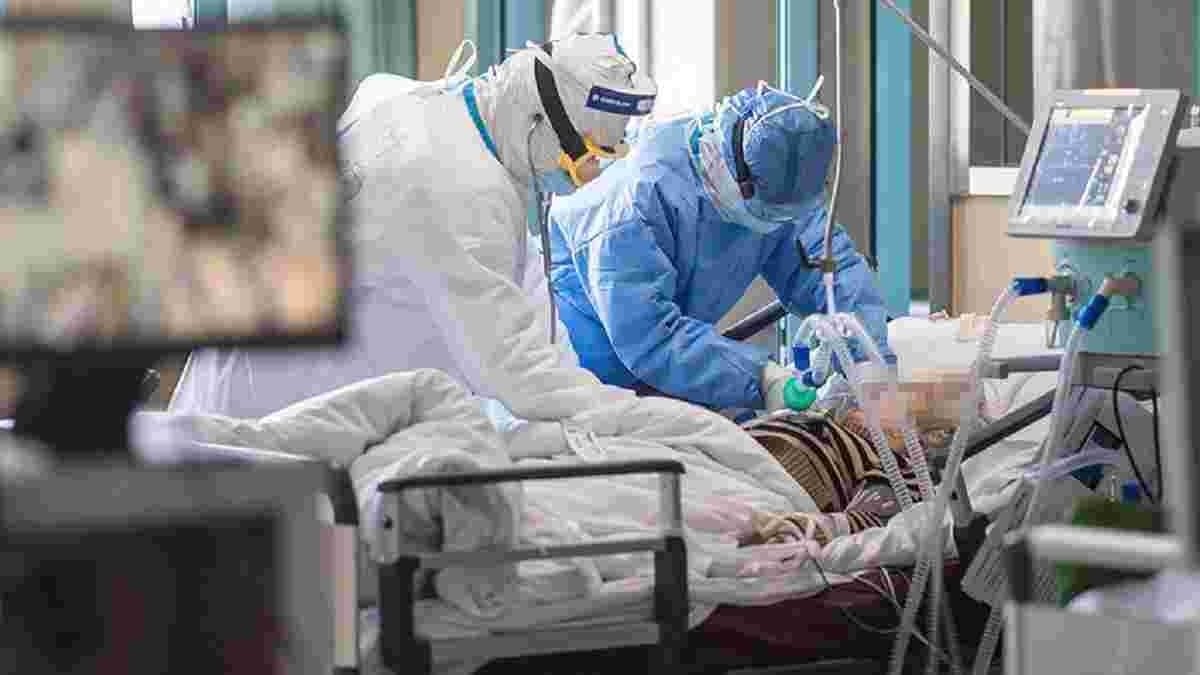

One of the greatest tragedies of the 21st century has been the COVID-19 pandemic. This global crisis shook the vast majority of countries and cities around the world — and Leeds was no exception. The coronavirus outbreak began in early 2020, and today we will explore how our city responded to the unprecedented challenges it brought. You can read more on ileeds.info.
How Leeds Responded to COVID-19
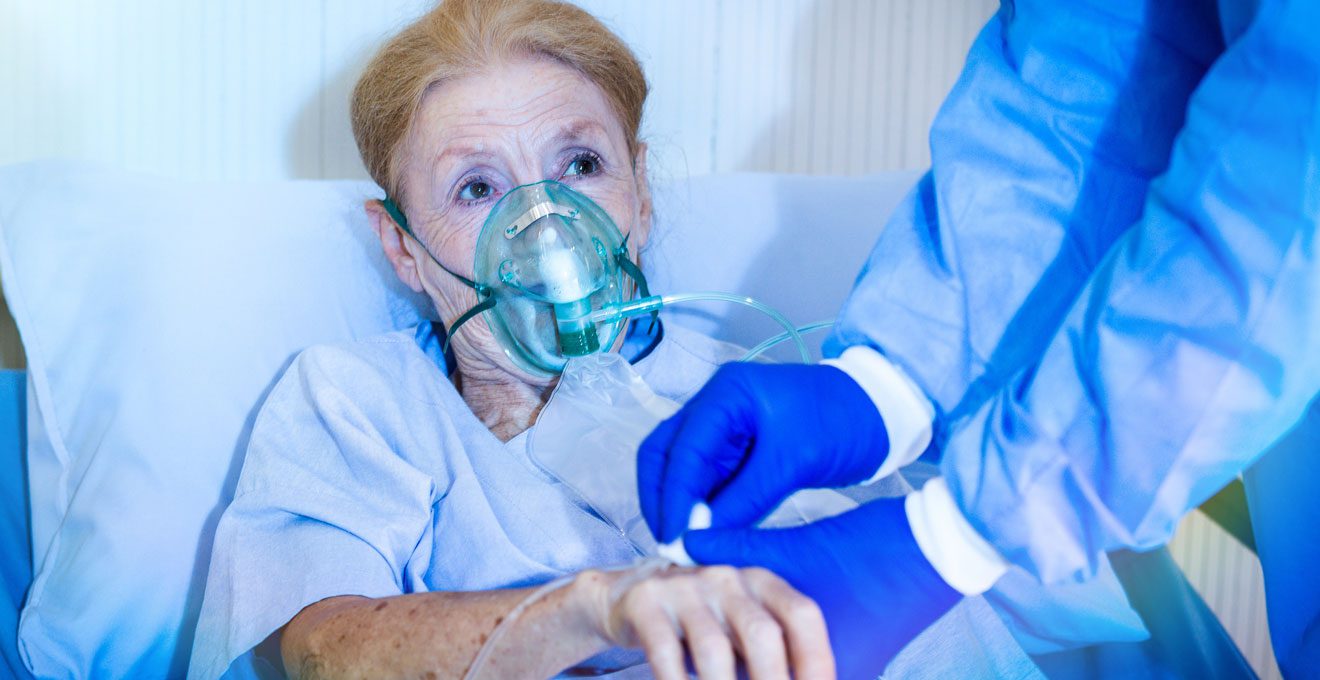
The first cases of COVID-19 in the United Kingdom appeared in early 2020, with a sharp increase in infections during March and April of the same year. In Leeds, the number of cases began to rise during the spring of 2020, marking the first wave of the pandemic.
According to Leeds Observatory, at the height of the outbreak the city was recording several hundred new cases per day, particularly during periods when the government introduced national lockdowns. Healthcare workers in Leeds were under immense pressure, with the sheer number of patients pushing the healthcare system — and its staff — to the brink.
Strict quarantine measures were introduced across Leeds and the wider region, including mask mandates, remote working, and the closure of schools and universities. These restrictions helped to temporarily slow the spread of the virus. Several COVID-19 testing centres were established in the city, along with vaccination hubs, which began mass immunisation of the population in spring 2021. Within the first year of the rollout, the majority of adults in Leeds had received the vaccine — significantly reducing the number of severe cases and COVID-related deaths.
The Impact on the People of Leeds
It’s important to note that the pandemic affected not only physical health but also mental wellbeing. During the COVID-19 crisis, cases of poor mental health among residents increased sharply — particularly among young people and the elderly. According to official local data, referrals to mental health services rose by 50% between 2020 and 2022.
Nevertheless, Leeds — a city of approximately 800,000 residents — is home to one of the largest medical institutions in the region: Leeds Teaching Hospitals NHS Trust, a major university hospital. This facility played a critical role in treating patients infected with COVID-19.
The pandemic also drastically altered everyday life in the city. Leeds City Council implemented a series of local measures to limit the spread of the virus, including:
- The introduction of lockdowns that restricted people’s movements, including bans on leaving home except for essential reasons, such as shopping or brief outdoor exercise;
- The closure of schools for most pupils;
- A shift to remote working for many employees and reduced operations for public venues;
- The enforcement of social distancing in public spaces — initially 2 metres, later reduced to 1 metre — and limits on the number of people in shops and at gatherings;
- The mandatory use of face coverings in shops, public transport, healthcare facilities, hairdressers, and more;
- The closure of public spaces, including pubs, restaurants, gyms, and leisure centres during peak periods of the pandemic.
The COVID-19 pandemic claimed thousands of lives. Across the UK, more than 200,000 deaths were officially attributed to the virus. This was an extremely difficult time for the entire country — and for Leeds in particular. It is during moments like these that we are reminded just how precious our health truly is.
We hope this article has been informative and helped you learn more about our city’s experience during the pandemic.
How did you cope with COVID-19? Did you or someone close to you contract the virus? We welcome your thoughts and stories in the comments on our social media pages.