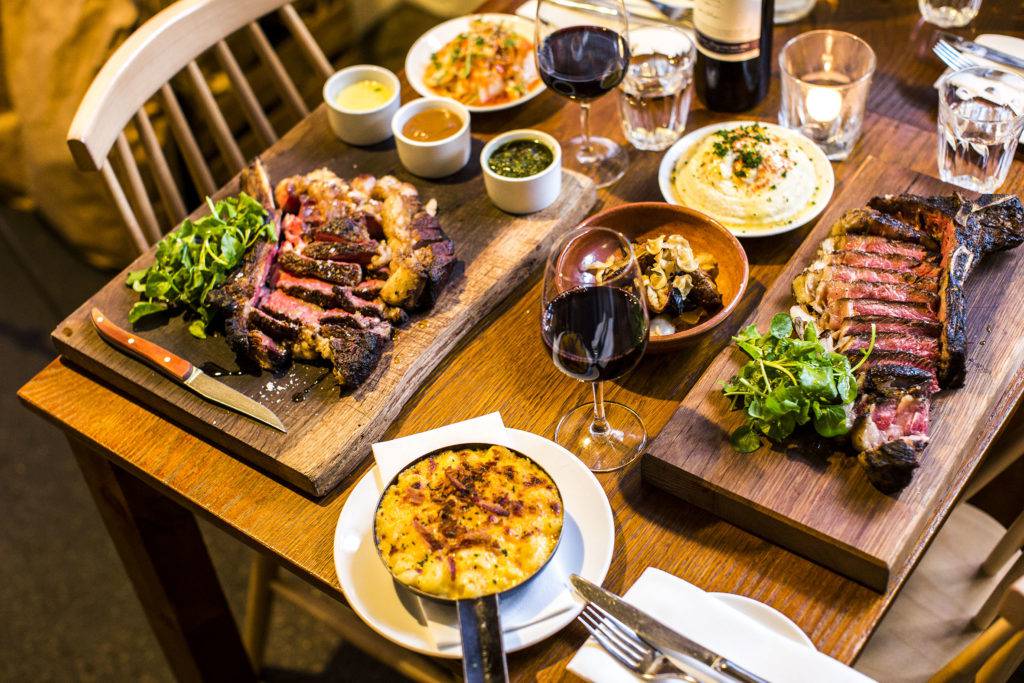

Enjoying a delicious meal at a restaurant or celebrating a birthday or other special occasion in a venue is second nature to people today. But it wasn’t always like this. Only over time did society develop a culture of public dining, with places where one could eat out with ease. As for Leeds, the city has a long and unique gastronomic heritage. In fact, this culinary identity has been taking shape ever since Leeds became an important market centre in the 13th century. Today, we take a closer look at the development of public dining and local cuisine in Leeds. You can read more on ileeds.info.
Leeds Locals Have Always Favoured Simple Food
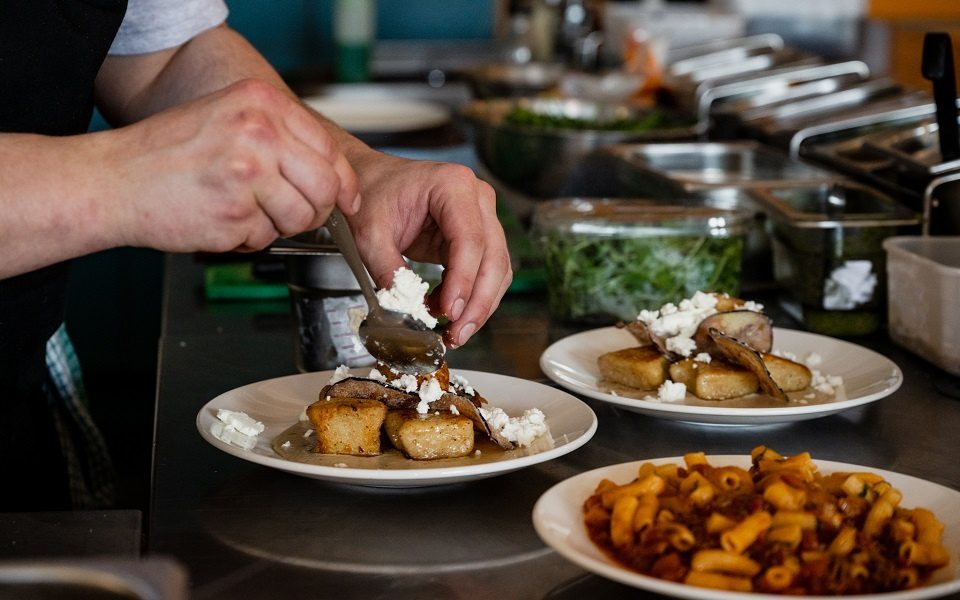
For centuries, the people of Leeds primarily ate at home. However, even in medieval times, the city had taverns, inns, and market eateries offering simple and hearty meals. By the 19th century, with rapid population growth and urbanisation, numerous cafés and pubs emerged. To put it into perspective, by the mid-19th century Leeds had over 150,000 residents, and by the end of the 20th century, this number had surpassed 700,000.
Leeds gained a reputation for its traditional English pubs, where one could enjoy classic ale, pies, and puddings. In the 20th century, street canteens, dining halls at factories, and university cafeterias became increasingly popular. A key development was the rise of the “coffee house” — a café-style venue that served as a meeting point for workers, students, and entrepreneurs.
Popular venues of the past included the Town Hall Tavern, The Roebuck, Skyliner Fish & Chip Restaurant, and The Adelphi. These pubs and taverns served traditional British fare, afternoon tea, and simple, filling local dishes. Of course, most meals were still prepared at home, but public eateries played an important role as social hubs.
A City in Love with Sandwiches
According to sociological studies, Leeds ranks as the number one city in the UK for sandwich consumption. On average, residents eat sandwiches around 20 times per month. In Leeds, the sandwich is a symbol of food that’s mobile and accessible. Fillings can vary widely — from bacon and cheese to chicken, roast beef, or even fried fish. As a result, the city boasts dozens of specialist sandwich shops, and sandwiches are a lunchtime staple for schoolchildren and office workers alike.
When it comes to traditional Leeds cuisine, the food is straightforward and hearty: local pies and savoury pastries, the famous pork pie, roast meats, stews, chips, and the classic English dish of fish and chips. A particularly distinctive meal from the last century was a pie filled with cracklings and egg — eaten hot or cold, especially in winter. It was typically cooked in a large oven or over an open flame. Vegetable soups and porridges were also common fare in many households.
On festive occasions, pubs and market halls would serve local ales, onion pie, grilled vegetables, stewed lamb, legumes, and more.
Today, the pubs of Leeds still offer classic English dishes, but the city’s multicultural makeup means that you’ll also find an array of international cuisines. Menus at cafés and restaurants in Leeds feature Indian curries, Asian dishes, Italian pizza, and a variety of contemporary British delicacies — from fusion sandwiches to gourmet burgers with bespoke fillings.
As you can see, the story of food in Leeds is one of evolution — from humble taverns and home kitchens to the creative and cosmopolitan gastronomy of a modern metropolis. As the years pass, society changes, priorities shift, and the tastes of local residents continue to evolve.
We hope you found this article informative and that you’ve learned something new about your hometown. What’s your favourite dish? Let us know in the comments on social media.